What happened
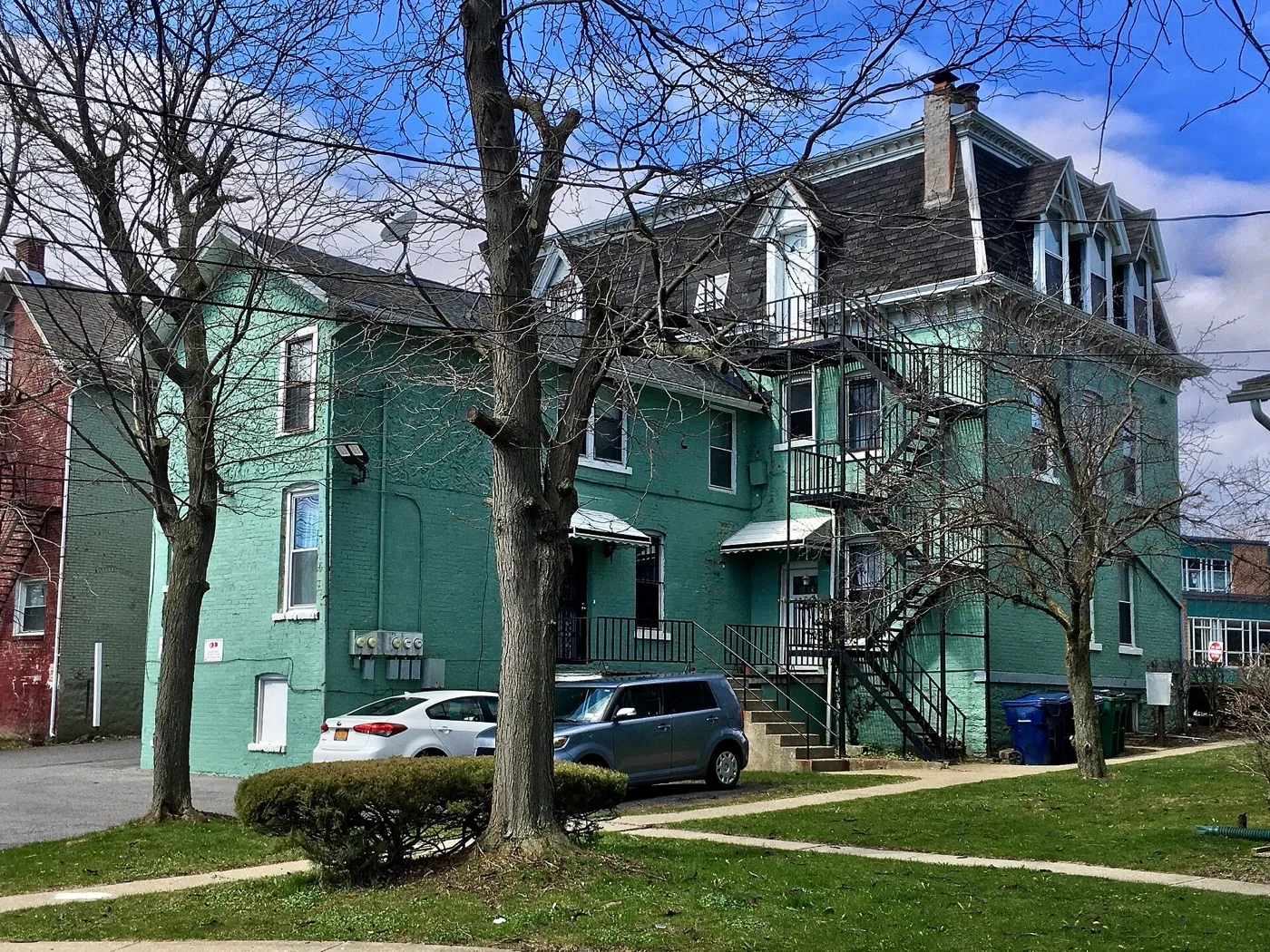
- Viridi and developer Good Carbon announced on October 20, 2026 that they installed a 3.75 MWh lithium-ion battery at Peace Bridge Place, a 105-unit affordable housing building in Buffalo, New York.
- The system, Viridi’s RPSLinkIN, is distributed across seven battery rooms inside the occupied building.
- According to the release, in a UL 9540A test a cell was deliberately driven into thermal failure and the design kept it from propagating to neighboring cells. The full system has a UL 9540 listing from TÜV Rheinland.
- It serves for backup during outages, to cut peak demand and to join National Grid demand response, within NYSERDA’s Future Grid Challenge program. Cost was not disclosed.
Why it matters
- Viridi’s CEO argued, per AP coverage, that the only thing holding up installations at scale is safety. An occupied building is a demanding case and defines whether the rest of the industry can copy the model.
- In Chile there is no known comparable case yet, and whoever evaluates one, among electrical regulators, fire departments and residents, will find here a case with published tests to discuss with evidence.
- The release gives no cost, MW rating or program amount, so it cannot be compared with other backup options.
The number
3.75 MWh spread over seven rooms inside a building with 105 homes.
Context
Batteries are moving from substations to where people live, and safety is the condition: Massachusetts conditions data centers on their own clean energy and Vertiv warns that electrical infrastructure decides whether AI leaves the pilot stage. UL 9540A measures whether the fire in one cell jumps to another.
What’s next
- Operating results during outages and National Grid demand response are still unpublished.
- No announced timeline for replicating the model in other buildings.
- Cost, power rating and the NYSERDA program amount remain unknown.
Bottom line
A battery in the basement of an occupied building shifts the question from “does it work?” to “can you live above it?” Public evidence from a thermal-failure test is the first step, and not yet the last.
Sources
- PR Newswire — Viridi and Good Carbon press release on the Peace Bridge Place battery — October 20, 2026
- Energy-Storage.News — Viridi deploys ‘Fail-Safe Anti-Propagation architecture’ indoor BESS at New York affordable housing development
- Image: Andre Carrotflower, CC BY-SA 4.0, via Wikimedia Commons
Edited by Rodrigo Cornejo. How we select and verify: who writes these notes.