What happened
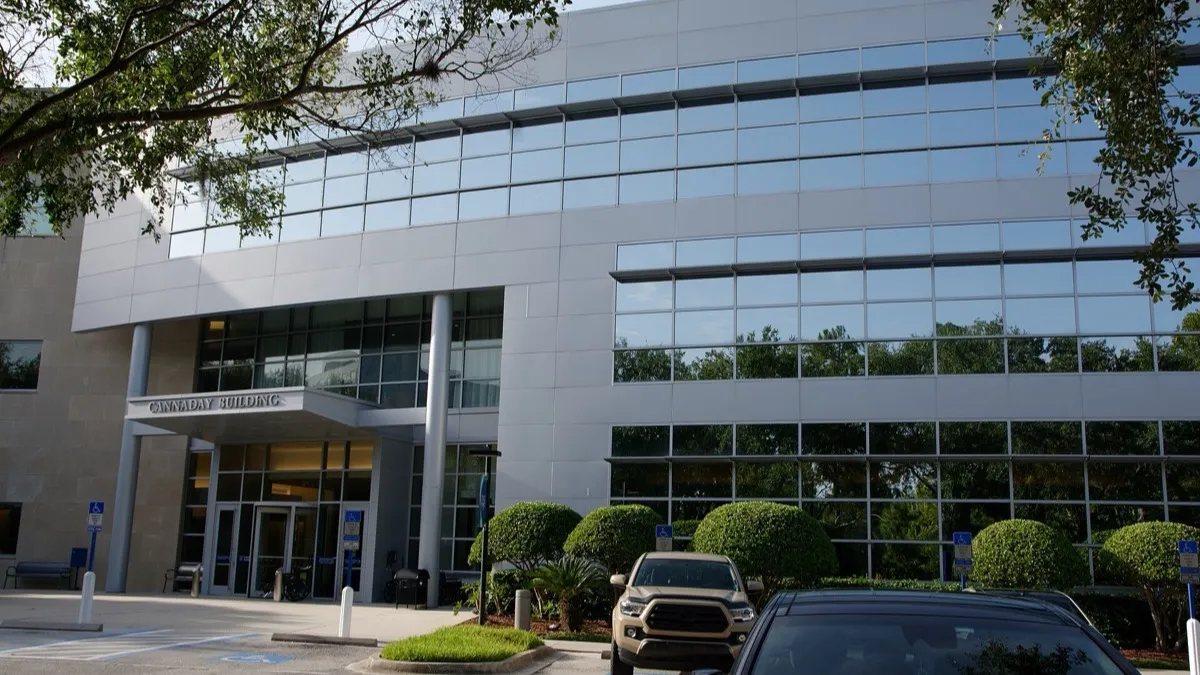
Neurologists in the United States reported “very encouraging” results with a cell therapy for stiff person syndrome (SPS), the rare autoimmune disease that affects singer Céline Dion. The disease attacks the central nervous system and causes rigidity and painful spasms. It has no cure. The treatment is CAR-T, already used against some cancers: the patient’s own T cells are extracted, modified to eliminate the cells that cause the disease and infused back. The Mayo Clinic trial was published in JAMA Neurology.
Why it matters
Current treatments ease symptoms but almost never return patients to their previous level of function. Here, according to the doctors, some went from needing help with basic tasks and walking to resuming work and hobbies. If the benefits last, the therapy could open a new route for other autoimmune diseases in which the immune system attacks the body itself.
The number
One participant, Jonathan Walden, said he can now go to work every day and has not had a single episode since treatment.
Context
Dr. Anastasia Zekeridou, a Mayo Clinic neurologist, said the most striking thing was the degree of improvement in some patients. The open question, she said, is whether the gains will last. Another patient, Shari St Germain, had severe leg cramps, trouble walking, muscle rigidity and falls; after therapy she said she feels better every day and went back to walking on a treadmill. These are individual accounts within a small trial, so they do not allow estimating how many patients in a wider population would respond the same way. On related topics, Mamífero published KRAS pancreatic vaccine misses its phase 2 goal; More cell-free DNA in blood improves cancer detection; Scan-guided statins: same events, fewer prescriptions and Full-fat dairy did not harm cholesterol in a trial.
What’s next
Researchers will have to follow participants for longer and repeat the trial with more people before the therapy can be considered a treatment option. Its risks and cost will also need evaluating, two factors that shape access to CAR-T therapies.
Bottom line
The news is not a cure, but it is a sign that a tool born in oncology may serve autoimmune neurological diseases that today have few options.
Sources
- The Guardian, report on the trial published in JAMA Neurology (accessed November 9, 2026).
- Cover image: Jud McCranie, CC BY-SA 4.0, via Wikimedia Commons
Edited by Rodrigo Cornejo. How we select and verify: who writes these notes.