What happened
- On October 21, 2026, Nature published “Structural basis for protocadherin-1 recognition by New World hantaviruses.”
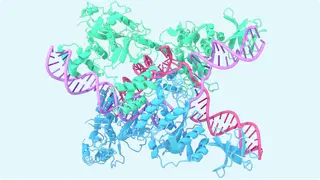
- The team resolved at near-atomic resolution the structure of the human receptor PCDH1 bound to the Andes virus (ANDV) spike.
- The receptor engages asymmetrically in a deep pocket formed by four protomers of the Gn protein, which explains why it recognizes only intact viral particles or soluble tetramers.
- Four neutralizing antibodies block receptor binding through two mechanisms: they occlude the site or sterically prevent contact.
Why it matters
- Andes virus is the hantavirus circulating in southern Chile and Argentina. The study’s abstract starts from a fact that should concern public health: there are no approved therapies against these viruses.
- The finding serves anyone designing drugs or antibodies: it is known where the entry door is and how the virus hides it, recessed in a surface depression.
- The consequence for Chile’s health system is long-term: a specific treatment for hantavirus cardiopulmonary syndrome moves from an idea to a defined target.
The number
4 neutralizing antibodies analyzed, with two distinct mechanisms of blocking the receptor.
Context
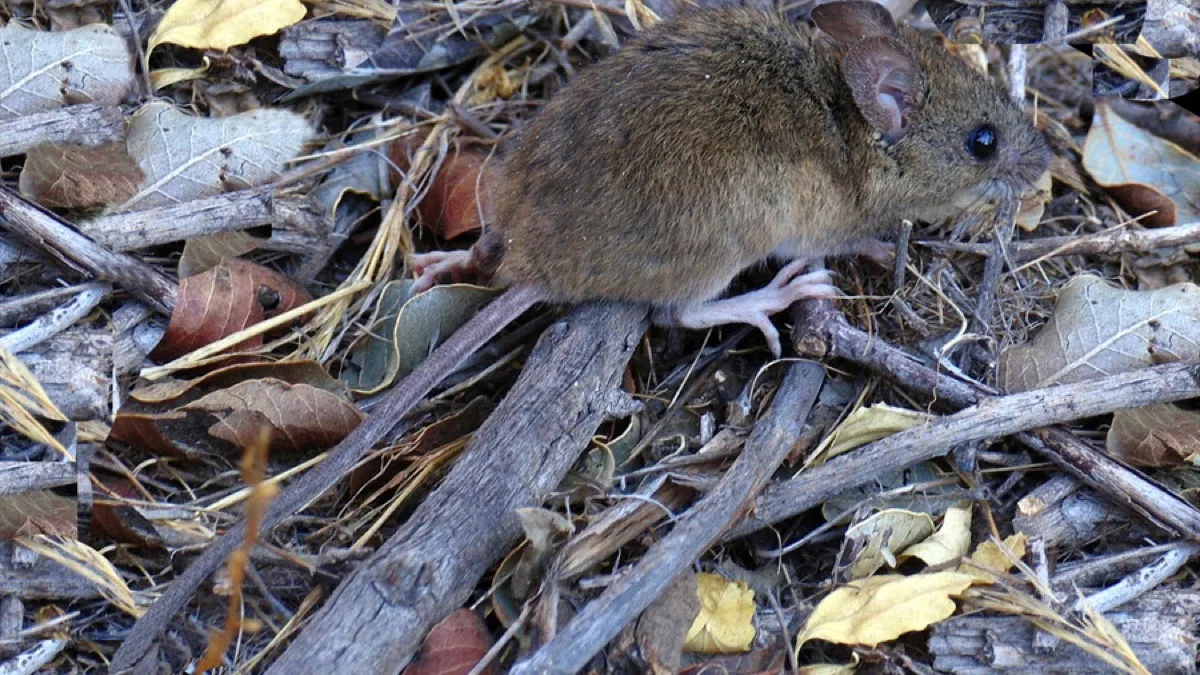
Hantaviruses are rodent-borne pathogens. The New World ones, such as Andes, use PCDH1 to enter cells. Two point mutations in PCDH1 had already shown in 2023 that recognition could be disrupted, but the structure of how they bind was missing. Mutations in three Gn loops allowed binding to be transferred from New World to Old World glycoproteins.
What’s next
- The abstract sets out a framework for designing antivirals aimed at the spike; it mentions no trials.
- No timelines announced.
Bottom line
Understanding viruses by their 3D shape has become routine: AlphaFold added 2,800 viruses to its open catalog in September. And a recent study showed that vaccination did not change smell or taste after covid in over 90% of cases.
Sources
- Nature — Structural basis for protocadherin-1 recognition by New World hantaviruses (published October 21, 2026)
- Cover image: Yamil Hussein E., CC BY-SA 3.0, via Wikimedia Commons
Edited by Rodrigo Cornejo. How we select and verify: who writes these notes.