What happened
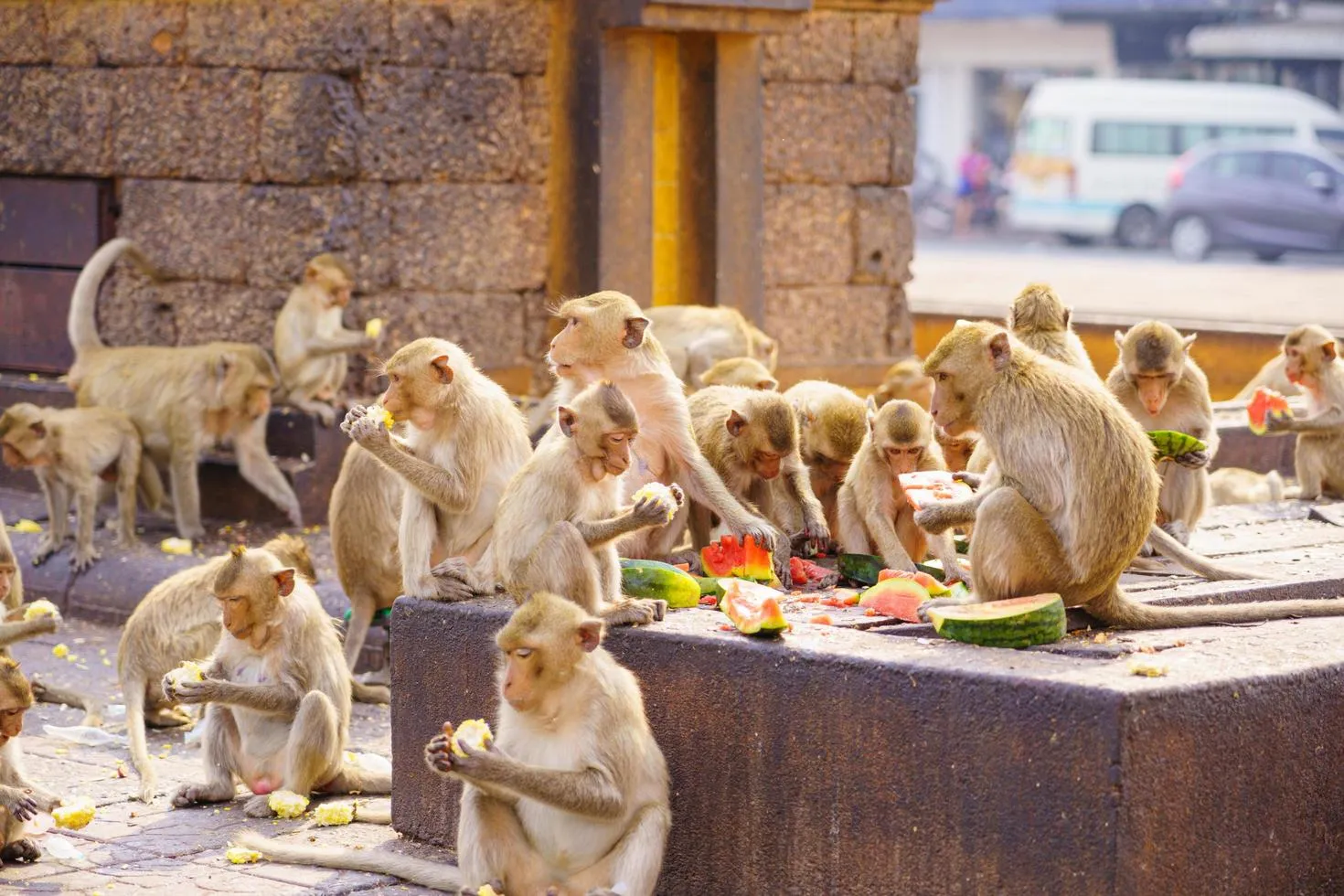
- Researchers at the University of California, San Diego published a study in Royal Society Open Science on Japanese macaques at a Texas sanctuary. The release is dated October 20, 2026.
- The animals had lived through a deadly simian retrovirus outbreak. Faced with food on a surface that looked contaminated, they ate far less, without knowing how the virus spread.
- Among 55 macaques, groups exposed to the outbreak ate the contaminated food in 47% of trials. The unexposed group did so in 79%.
- Behavior was similar in infected and uninfected animals.
- A second analysis of 54 macaques from seven species found that former pets ate more contaminated food than those born and raised by their mothers at the sanctuary.
Why it matters
- Caution toward a pathogen is learned and passed on through experience, not only through infection. It is a result about how groups adjust behavior after a health crisis.
- For anyone designing public-health campaigns, the reading is that directly living through an outbreak changes habits more than information does. That difference is measurable in this case.
- The consequence the release does not stress: it is an observational study in animals, with three groups that lived the outbreak and one that did not. It does not prove the cause is the outbreak, and it does not transfer directly to people.
The number
47% versus 79%. Share of trials in which groups exposed to the outbreak ate the contaminated food, versus the unexposed group.
Context
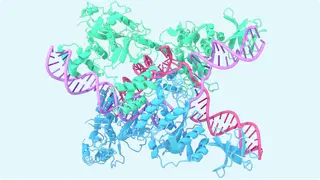
The authors are Stephan Kaufhold, a doctoral researcher, and Federico Rossano, senior author, of UC San Diego’s Department of Cognitive Science. The study ties pathogen avoidance to early experience: animals that were pets seemed less cautious. The basis of outbreaks is studied by molecular biology, as in the virus structures that AlphaFold opened to the public.
What’s next
- No follow-up studies announced.
- Pending: testing whether the effect holds in other sanctuaries and species.
- No announced dates.
Bottom line
Behavior toward contagion also leaves data, beyond genes and proteins. It is the other side of what Illumina’s multiomic genomics measures: how the organisms carrying those genes behave.
Sources
Edited by Rodrigo Cornejo. How we select and verify: who writes these notes.