What happened
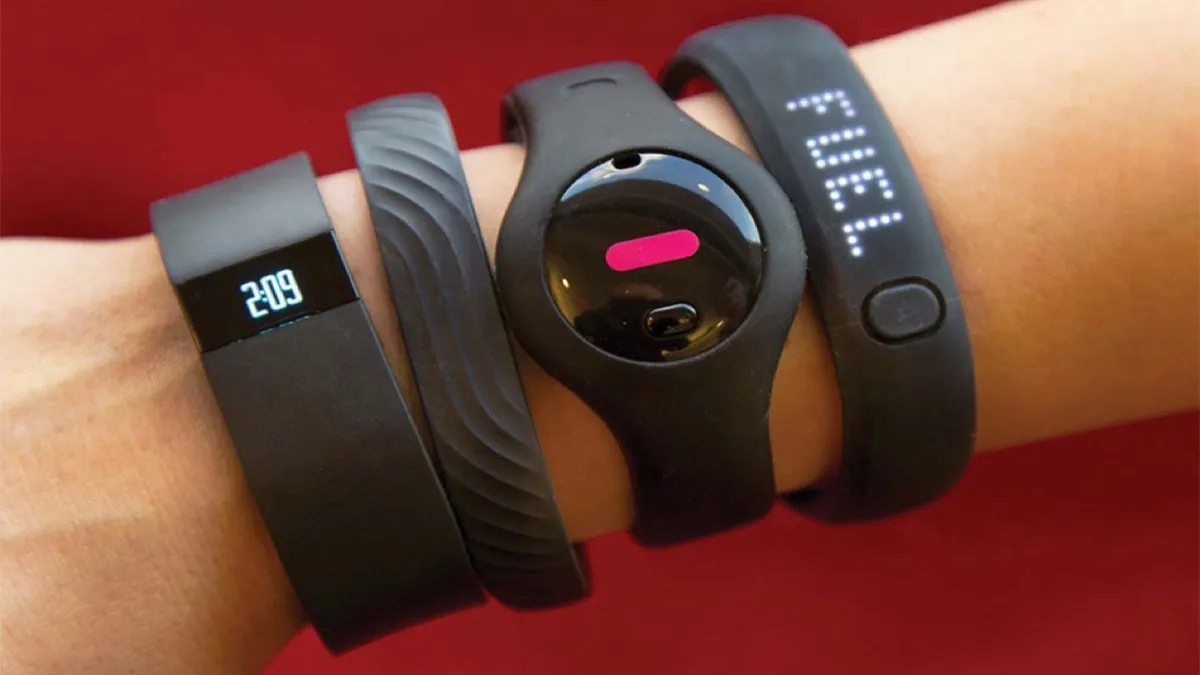
- On October 21, 2026, Nature published “The anatomy of a personal health agent,” a health agent that reasons over multimodal data from wellness devices and medical records.
- The authors analyzed web search and health forum queries, and with users and experts identified four journeys: general knowledge, personal data interpretation, wellness advice and symptom assessment.
- The system brings together three sub-agents: a data scientist that analyzes long wearable series, a health expert that integrates personal data with clinical knowledge, and a coach that sustains the conversation and tracks goals.
- It is released as an open-source multi-agent framework and was evaluated on 11 tasks with more than 7,000 annotations and 1,350 hours of work by experts and users.
Why it matters
- An agent that reads your watch and your clinical record handles very sensitive data. The three-role design, with a coach separate from the expert, organizes who answers what and can be audited in parts.
- The abstract measures the volume of the evaluation, not performance: it gives no hit or error rates. Anyone weighing bringing something like this to a clinic or an insurer has nothing yet to decide with.
- For Chile, where health data is treated as sensitive, open source allows reviewing what is done with the data before a company uses it.
The number
7,000 annotations and 1,350 hours from experts and users in the evaluation of 11 tasks.
Context
Large language models enable a new generation of health agents whose ability to meet everyday needs was underexplored, according to the paper. Other recent Nature papers set out frameworks for longitudinal health agents and the public use of generalist chatbots for medical queries.
What’s next
- No dates for clinical use or public availability of the agent.
- An independent evaluation of the results is still missing.
Bottom line
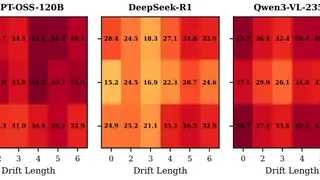
The health agent joins a conversation about who answers for a system that gives advice: the US Senate is negotiating the power to block models before release and OpenAI set the rules for its own external audits. Meanwhile, an assistant recovered up to 54.6% of secrets after a topic change.
Sources
- Nature — The anatomy of a personal health agent (published October 21, 2026)
- Cover image: Abas Gemini, CC BY-SA 4.0, via Wikimedia Commons
Edited by Rodrigo Cornejo. How we select and verify: who writes these notes.