What happened
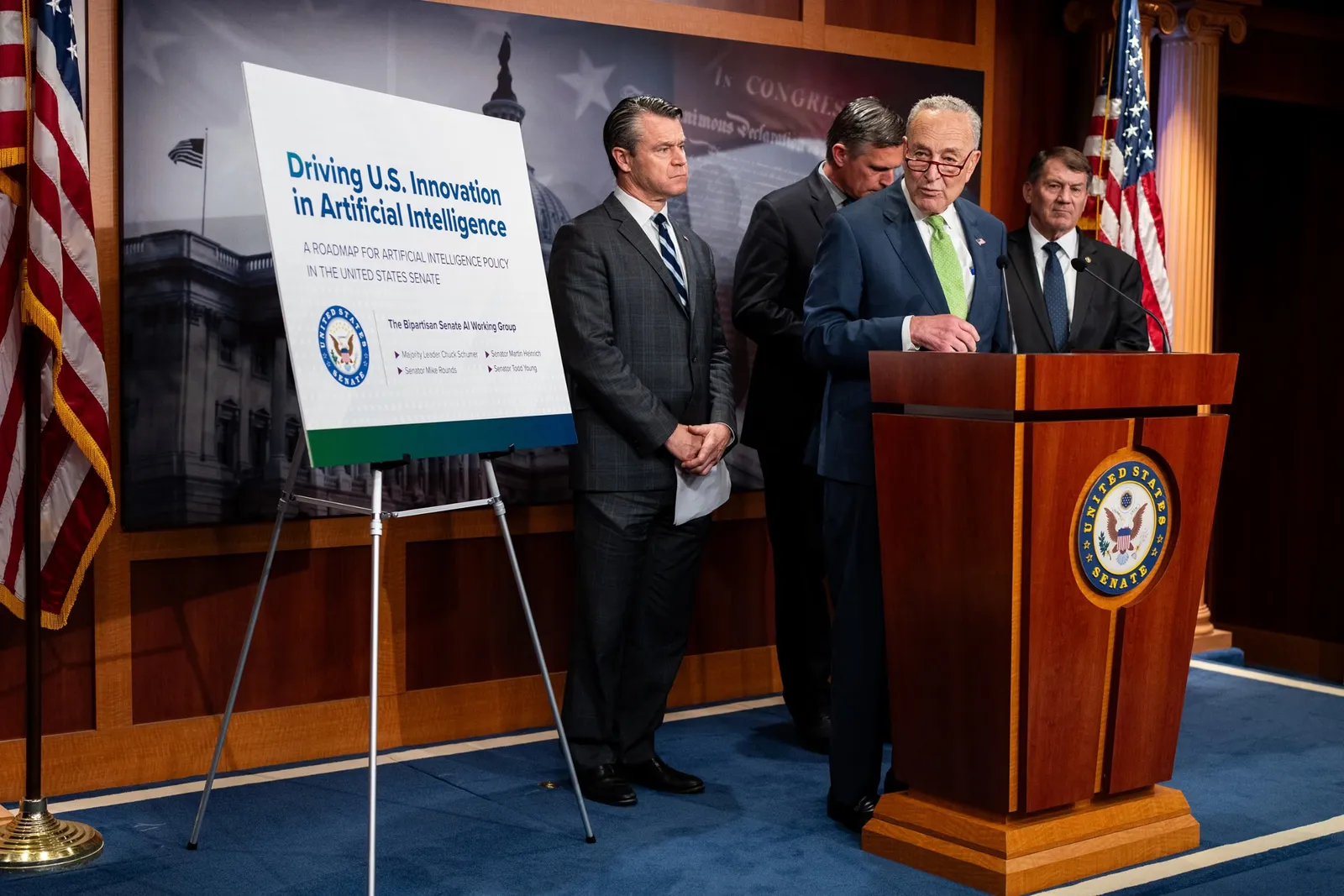
- Reuters reported on September 11, citing two Senate aides, that bipartisan negotiators are drafting a law that would impose a “duty of care” on developers of the most advanced AI models: they would have to design their products with the goal of preventing catastrophic risks.
- According to an aide and a lobbyist involved in the talks, the federal government could block the release of a model deemed unsafe, with subsequent review in federal courts. The exact structure of that power is still being negotiated.
- Those taking part include Majority Leader John Thune, Commerce Committee Chairman Ted Cruz and Senator Amy Klobuchar. Senator Maria Cantwell has also been involved.
- Cruz wrote on X that he’s working with Klobuchar and Thune on legislation on catastrophic risks of biological or nuclear origin. Klobuchar told Reuters she wants developers to check and test their models together with government experts.
- The draft would reportedly provide for testing with national laboratories and would preempt state rules on nuclear and biological risk. There’s no public text.
Why it matters
- A de facto prior permit in the U.S. determines which models reach Chile and when. No Chilean regulator takes part in that decision, and the effect works all the same: if a release is held up in Washington, there’s no regional version to bring it forward.
- For anyone building products on an API, a model’s availability date comes to depend on a foreign regulatory process in addition to the vendor’s calendar. That goes into roadmap planning, not just into reading the news.
- Preempting state rules points to the tension opposite to the one experienced here: there, the problem is a patchwork of local laws the federal level wants to put in order; in Chile neither layer exists.
The number
One week. That’s how long the House of Representatives is in session before the November 3 midterm elections. That’s the entire legislative margin available if the text is introduced this month.
Context
The negotiations have been going on since July, but they sped up in recent days. Semafor reported on September 10 that the bill could be introduced this week and that it’s the only route with a chance before 2027. The acceleration coincides with the resignation of an Anthropic researcher who accused the industry of gambling with other people’s lives, and with the signing, in California, of a mandatory state registry for AI auditors.
What’s next
- The text isn’t public. No confirmed introduction date.
- Thune’s office declined to comment on the negotiations.
- The midterm elections are on November 3; after that the arithmetic in both chambers changes.
Bottom line
While Washington debates whether the state can stop a model’s release, in Chile the AI bill racks up five government urgency designations and the amendment replacing it doesn’t reach the Senate. The two debates move at the pace of their own electoral calendars, and only one of them determines which tools will be available here.