What happened
Q.ANT, a photonic computing company, and IONOS, a European cloud provider, launched a pilot program to bring photonic computing to dedicated commercial servers for the first time. The information comes from a press release reproduced by The Quantum Insider. Developers will be able to test their AI models on real photonic processors inside dedicated server infrastructure.
Why it matters
Photonic processors compute with light, and the company says they allow complex nonlinear math functions to be used directly to create lighter, faster models. The interest is in cost: as AI workloads grow, their operating cost limits expansion, and data center operators seek lower energy use. Until now, developers could only build and simulate applications with the open-source development kit from September; now they will be able to run them on the physical processor.
The number
The pilot gives access outside specialized research centers, something the company presents as the step before commercial adoption.
Context
Achim Weiss, CEO of IONOS, said European technologies need sovereign European infrastructure to make the leap to business use, and that the processor will run in an IONOS data center under German jurisdiction. Q.ANT founder Michael Förtsch said conversations about AI are shifting from what models can do to what it costs to run them. The pilot’s results will show which applications benefit most. On related topics, Mamífero published PsiQuantum unveils a silicon optical circuit switch; Crusoe sells its Wyoming data center to Google; NVision achieves a light-controlled molecular qubit and Vietnam to get its first quantum computer.
What’s next
The energy and speed savings are not yet demonstrated on these servers; the pilot is precisely the test to measure them on real workloads.
Bottom line
If the results hold, computing with light would go from a lab promise to an option rented by the server.
Sources
- The Quantum Insider, Q.ANT press release reproduced by the outlet (accessed November 9, 2026).
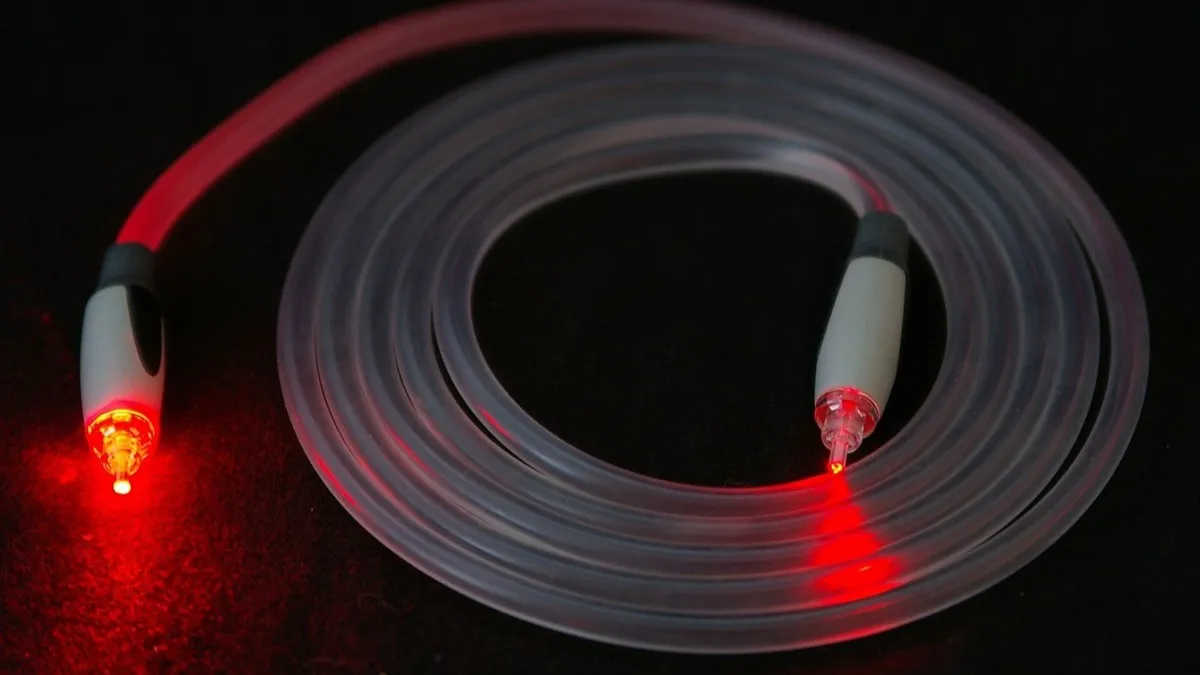
- Cover image: Hustvedt, CC BY-SA 3.0, via Wikimedia Commons
Edited by Rodrigo Cornejo. How we select and verify: who writes these notes.