What happened
- Quest Diagnostics filed a Form 8-K with the SEC saying that on October 21, 2026 it learned of unauthorized access to Quanum LSM, a system its health-sector users employ to place test orders and view results.
- The company activated its response procedures, notified federal authorities and hired outside cybersecurity experts.
- It acknowledges the full scope remains under investigation but believes an unauthorized party accessed certain patient records.
- It says the incident did not materially disrupt its operations or its ability to serve patients.
Why it matters
- The platform holds health data, diagnoses and billing. It is not yet known how many records or people are affected.
- TechCrunch notes that the company’s notice page carried a «noindex» tag that keeps search engines from listing it, which makes it harder to find.
- It is the company’s second known major incident in a decade, after the loss of 11.9 million records in an attack on a billing vendor in 2019.
The number
500,000. Clinicians who, according to Quest material cited by TechCrunch, use Quanum at thousands of locations in North America.
Context
TechCrunch places the case among several recent cyberattacks on the health sector: the mass wiping of devices at Stryker in March, the Boston Scientific hack in August that took its network offline for weeks, and breaches at CareCloud, Craneware and McKesson. The company did not say when the intrusion began or whether any group contacted it to demand payment. A spokesperson did not answer the outlet’s questions and pointed to the security notice.
What’s next
- The investigation will determine what kind of data was stolen and how many people are affected.
- TechCrunch got no answer from the company on when the intrusion began or on any ransom demands.
Bottom line
Attacks on critical infrastructure also appear in other cases: ransomware operators exploit a GlobalProtect flaw that bypasses MFA and PHP fixed two remote execution flaws stalled for two years. On how to order patches, vulnerability remediation adds AI and rollback controls. And health data also feeds agents: Nature published a personal health agent with three subagents.
Sources
- Quest Diagnostics — Form 8-K filed with the SEC (event of October 21, 2026)
- TechCrunch — Lab testing giant Quest Diagnostics confirms patients’ personal and health data was compromised during breach (October 23, 2026)
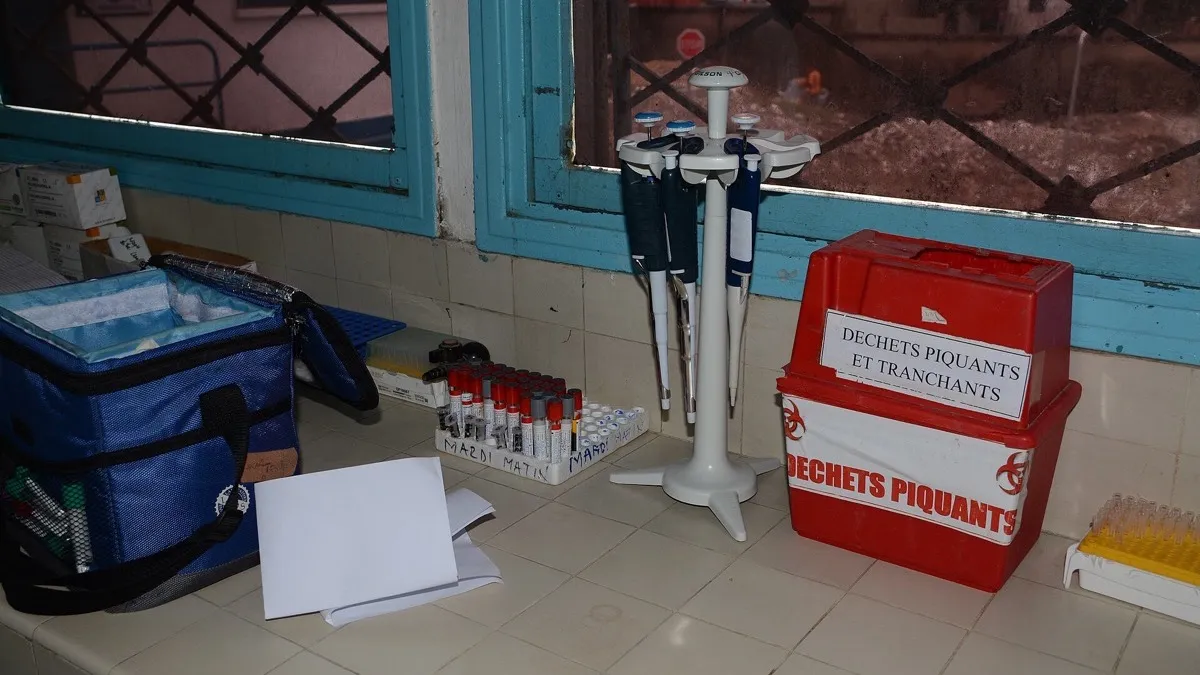
- Cover image: Happi Raphael, CC BY-SA 4.0, via Wikimedia Commons
Edited by Rodrigo Cornejo. How we select and verify: who writes these notes.