What happened
- Rondo Energy and Rio Tinto announced on October 20, 2026 the start of front-end engineering for a heat battery at the Yarwun alumina refinery near Gladstone, Queensland.
- The unit would store 360 MWh and discharge 30 MW, stored heat that would replace fossil-based energy in part of the plant’s high-pressure steam.
- The renewable energy body ARENA provides a first tranche of 3.6 million for engineering and up to 38 million for construction, if the study succeeds, plus up to 33.3 million conditional on risks such as cost overruns. The release does not name the currency.
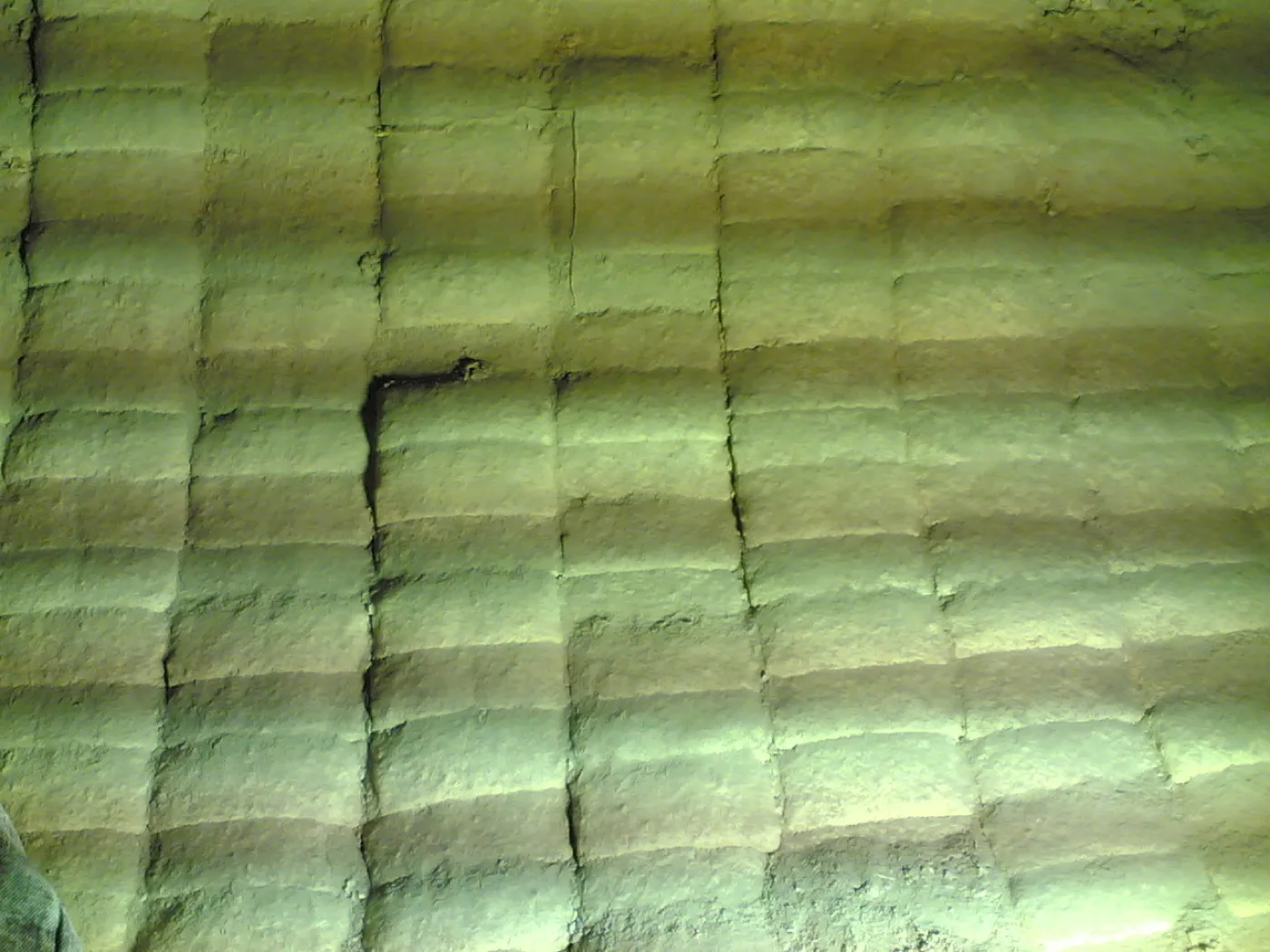
- Rondo says its heat batteries have delivered energy at scale since 2023 in fuel and cement operations in the United States and Asia, and that it is building a 100 MWh unit in Europe for a chemical plant.
Why it matters
- A refinery uses high-pressure steam that today comes from fossil fuel. A brick battery charged with electricity that delivers continuous steam attacks that point without changing the plant.
- For Chilean mining, which uses process heat at several stages and has abundant sun in the north, the case serves as a reference for what size and what financing a first unit requires.
- It is not an investment decision. The release says the work would proceed only “if progressed,” and the 38 million depends on the study succeeding.
The number
360 MWh of storage and 30 MW of discharge, roughly 12 hours of continuous heat at full power.
Context
Energy storage is already discussed as critical infrastructure: Massachusetts asks data centers for their own clean energy and Vertiv warns that electrical and thermal infrastructure decides whether AI leaves the pilot stage. Rondo’s battery targets another energy consumer, the industrial plant, which has no direct electric replacement for steam.
What’s next
- The detailed engineering, funded with ARENA’s first tranche, must finish before construction is decided.
- Up to 38 million more from ARENA would be released only if the study succeeds.
- Rondo’s 100 MWh unit in Europe, for a chemical plant, is still under construction.
Bottom line
Heat electrification often stays a promise because nobody wants to be first. This engineering phase, with conditional public money and a real industrial buyer, is the step before the decision.
Sources
- PR Newswire — Rondo Energy and Rio Tinto press release on the Yarwun thermal storage project — press release, October 20, 2026
- Energy-Storage.News — Rondo Energy and Rio Tinto begin design work on the Yarwun thermal battery
- Image: Alexknight12, CC BY-SA 3.0, via Wikimedia Commons
Edited by Rodrigo Cornejo. How we select and verify: who writes these notes.