What happened
Changing the mix of battery chemistries and expanding the use of recycled materials can reduce the impact of supply disruptions, according to a study published on November 10, 2026 in Nature Communications. The work simulates scenarios for the United States automotive market around 2030.
The researchers constructed disruption scenarios from interviews with industry participants and evaluated their effects using an economic equilibrium model. The figures are results conditional on these assumptions. They do not describe a cut that is happening now or a forecast of inevitable prices.
Why it matters
The availability of materials affects decisions about production and which vehicles reach the market. The study includes both electric and conventional models when estimating price changes. This allows adjustments to be examined between segments, rather than limiting the analysis to the cost of a cell.
The proposal is to evaluate measures that can be prepared before an interruption. Diversifying chemistry changes the demand for certain materials; recycling incorporates another source of supply. Neither option alone removes all dependencies. The interest of simulation is in calculating how much defined scenarios can cushion, keeping visible the conditions that make that result possible.
The number
US$ 1,100 to US$ 1,600 per new vehicle. This is the average simulated increase in one-year interruption scenarios. The aggregate costs for buyers reach between US$14,000 and US$17,000 million within the model.
Context
One of the scenarios reduces the supply of processed lithium from China by 30% due to trade restrictions. Another disrupts the three cobalt mines included in that scenario due to disasters.
They are stress exercises. The choice of plausible situations does not allow us to assign a specific probability or affirm that they will happen in 2030. Its function is to compare vulnerability and mitigation measures under explicit rules.
On related topics, Mamífero has also published solid batteries at ambient pressure, Ford battery health measurements, financing to manufacture battery materials and synchronization of batteries and electrical frequency.
What’s next
The study estimates a drop in disruption costs by more than half when 85% of battery electric vehicle models use lithium iron phosphate and there are at least one hundred kilotonnes of planned production of recycled equivalent lithium carbonate.
They are joint and demanding conditions, not already guaranteed capacity. To continue its viability, it will be necessary to check the expansion of recycling and the real changes in the technological mix. It would also be necessary to repeat the analysis in other markets before transferring the figures: supply structures, preferences and access to materials can modify the effect. The note does not extrapolate US amounts to other countries.
Bottom line
The simulation shows that the damage of a disruption depends on previous production and supply decisions. Chemistry and recycling offer cushioning in the cases analyzed. The result is used to prepare scenarios, as long as their costs remain linked to the assumptions that generate them.
Sources
- Nature Communications, DOI 10.1038/s41467-026-79046-y; verified publication date in the journal, November 10, 2026. Summary and text of the article consulted. The magazine does not indicate publication time.
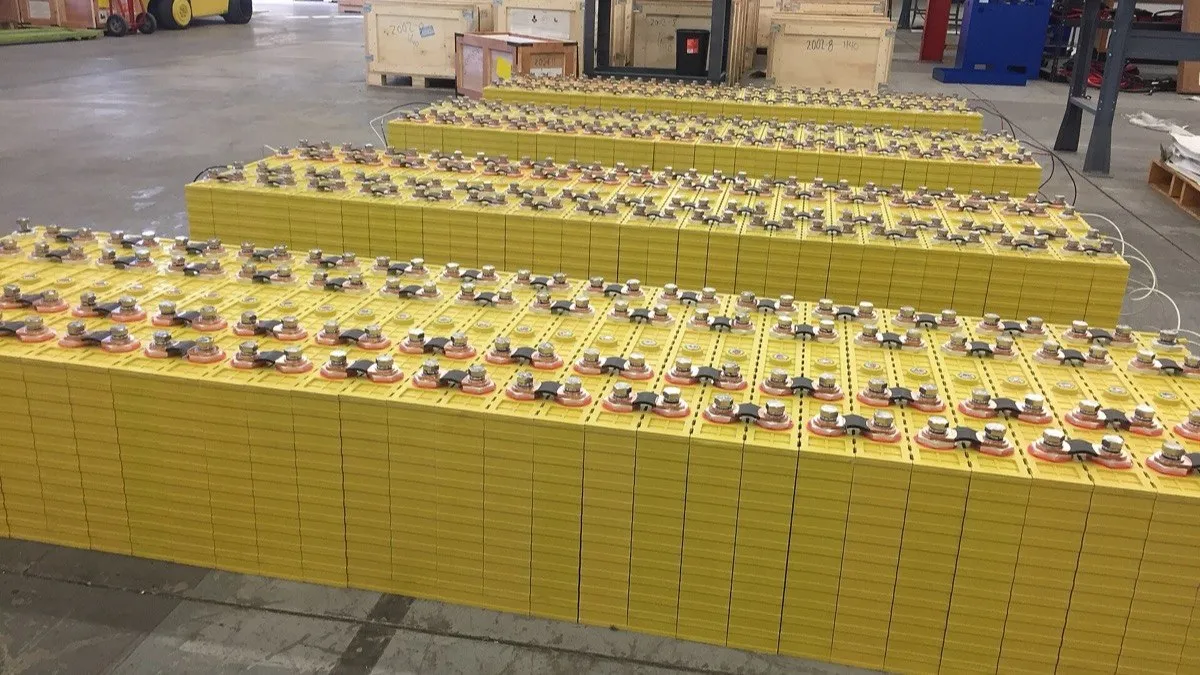
- Cover image: Yo-Co-Man, CC BY-SA 4.0, via Wikimedia Commons. Cropped and resized to 1200 × 675 pixels. Reference photograph; it does not document the announced event.
Edited by Rodrigo Cornejo. How we select and verify: who writes these notes.