What happened
- On October 23, 2026, the journal Plants, People, Planet published a policy brief led by Franciele Peixoto, an environmental analyst for the state of Goiás, Brazil.
- It argues that open ecosystems, such as grasslands, shrublands and savannas, can store vast amounts of carbon, but climate policies favor forests.
- The authors say carbon market standards and methods are built on forested areas, so there is no way to include savannas and grasslands.
- The brief grew out of a policy summary presented at COP30 in 2025, in Brazil.
Why it matters
- According to ecologist Amy Zanne, Cerrado soils can store six times as much carbon per hectare as Amazon vegetation.
- Unlike Amazon trees, which can regrow in decades to centuries, some Cerrado soil carbon has been there for up to 20,000 years and is not replaced quickly.
- The Cerrado is the headwaters of two-thirds of Brazil’s major river basins, including the Amazon’s. In open ecosystems, plants take up less water and more infiltrates and recharges groundwater.
The number
1,200 tons. Carbon per hectare that ecosystems such as the Cerrado can store, according to the authors.
Context
REDD+ is a UN initiative that pays developing countries to protect and manage their forests to cut emissions. The authors note that this tool and other credit programs were designed for forests, and that grassy ecosystems do not fit their measurement and certification frameworks. The Cerrado is a highly diverse savanna, with more than 1,000 animal species and more than 10,000 plant species, according to ecologist Zanne. The text is a policy brief, not a study with new measurements.
What’s next
- The authors want savannas and grasslands included in climate finance mechanisms.
- There is no timetable for reforming carbon market standards.
Bottom line
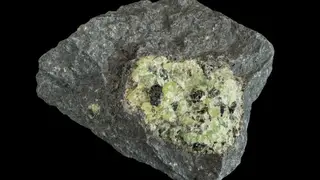
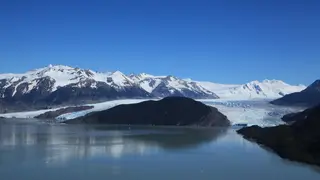
On carbon in soils and grasslands, nitrogen falling on grasslands makes their output unstable and ground olivine stores more carbon in soil only if microbes have food. For industrial capture, a 2-nanometer carbon membrane separates CO2. And on other systems under pressure, glaciers that end in water lose more than half their ice.
Sources
- Phys.org — Massive carbon stocks in grasslands and savannas are overlooked by climate policy (October 23, 2026)
- Brief: Peixoto et al., «Policy Brief: Brazil’s open ecosystems—Carbon stocks overlooked by climate finance», Plants, People, Planet, DOI 10.1002/ppp3.70292 (October 23, 2026 per Crossref)
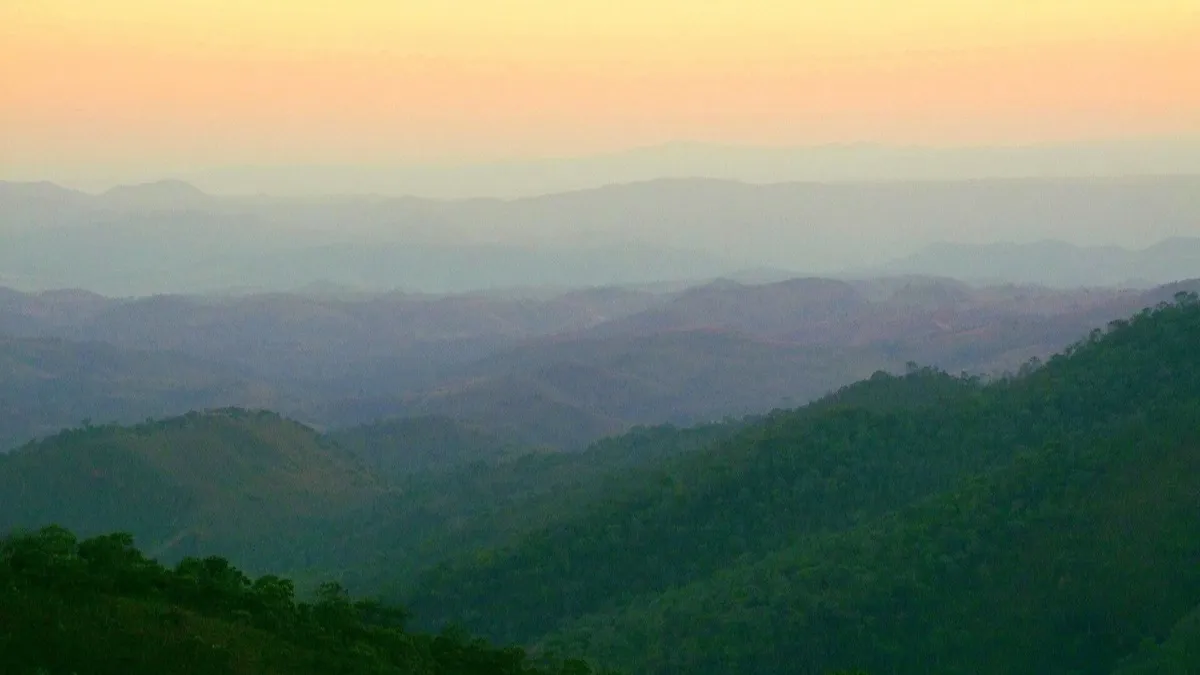
- Cover image: A. Duarte, CC BY-SA 2.0, via Wikimedia Commons
Edited by Rodrigo Cornejo. How we select and verify: who writes these notes.