What happened
- On October 23, 2026, Nature Communications published a globally complete classification of glacier fronts by six authors from Manchester Metropolitan University, Leeds, Birmingham, ETH Zurich and the Swiss WSL institute.
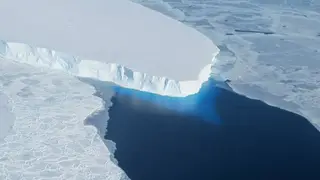
- They separate four types of front, on land, in lakes, in the sea and on ice shelves, and cross that classification with data on geometry, dynamics and climate.
- Glaciers ending in lakes, the sea or shelves are only 3.2% of the total, but they account for more than half of the world’s glacier area and mass loss.
- Lake- and sea-terminating glaciers flow on average 10% and 44% faster than land-terminating ones. Mass loss per unit area at lake-terminating glaciers is 57% higher.
Why it matters
- The authors call for these fronts to be better represented in models of glacier evolution and sea-level rise.
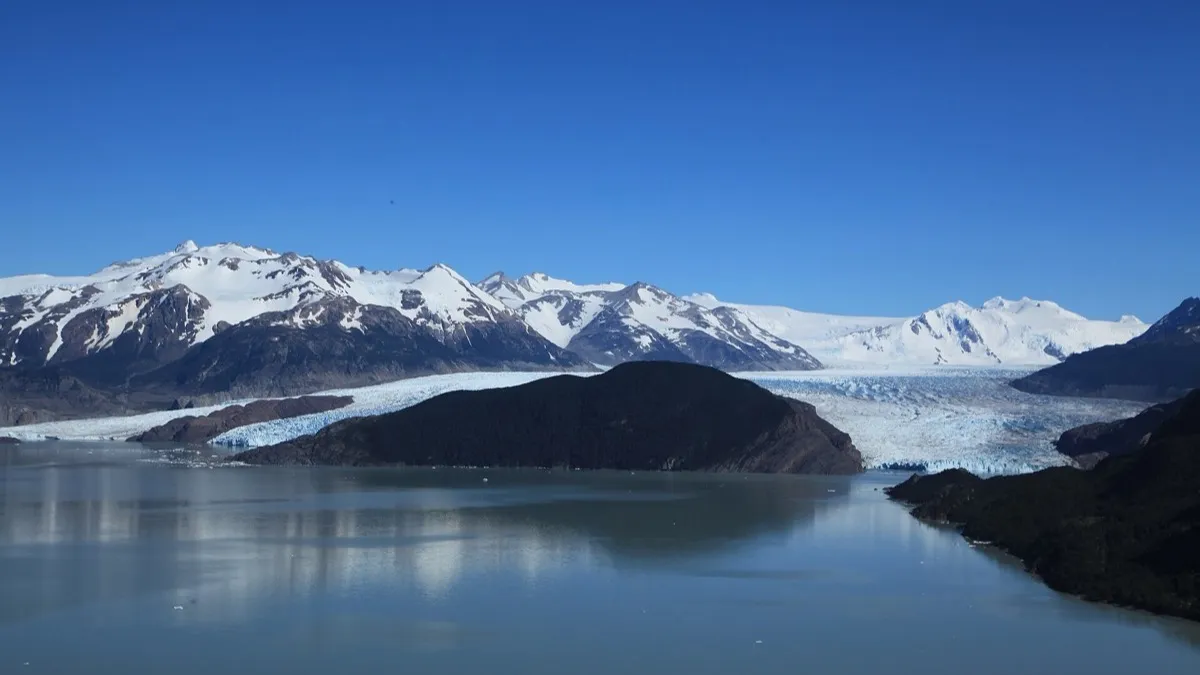
- Chilean Patagonia has glaciers that end in lakes, such as the Grey in the lake of the same name. They belong to the category that, according to the study, loses 57% more per area than land and marine glaciers, which helps set monitoring priorities.
- For anyone planning water or tourism in glacier areas, the finding shows where to look first: fronts in contact with water.
The number
3.2%. Share of glaciers that end in lakes, the sea or ice shelves. They account for more than half of glacier mass loss.
Context
The setting where a glacier ends shapes its behaviour, stability and evolution, but that link had not been quantified globally, according to the authors. Separating how much is due to setting and how much to geometry remains open.
What’s next
- The authors flag as pending the task of separating the environmental and geometric controls on each front.
- No deadlines announced.
Bottom line
A Baffin ice cap was growing toward a new ice age and warming halted it, and NASA adjusted its Thwaites model: ice loss is being measured in ever finer detail, front by front.
Sources
- Nature Communications — Global-scale variability of glacier velocity and mass loss across terminus environments (DOI 10.1038/s41467-026-78654-y; October 23, 2026)
- Cover image: Liam Quinn from Canada, CC BY-SA 2.0, via Wikimedia Commons
Edited by Rodrigo Cornejo. How we select and verify: who writes these notes.