What happened
- On October 22, 2026, Commonwealth Fusion Systems (CFS) said on its blog that it signed a letter of intent with the US Department of Commerce for 85 million dollars in proposed incentives.
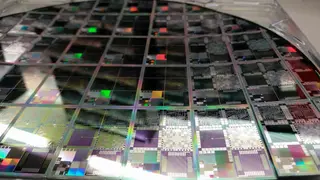
- The money would come from the CHIPS and Science Act, through its research and development office, and would go to microelectronics projects in the country.
- According to CFS, it would help advance fast controllers and the high-power supplies that energize the magnets in its machines.
- TechCrunch adds that the deal would give the government a stake in the company, which aims to switch on its Sparc reactor next year.
Why it matters
- Building one reactor is a proof of concept. To build dozens of commercial plants, fusion companies need more durable power electronics and a supply chain of their own.
- The relationship runs both ways: CFS argues that fusion can also boost the semiconductor industry that supplies its components.
- The amount is an intention, not a disbursement. The word «proposed» appears in the company statement.
The number
US$ 85 million. Proposed incentives in the letter of intent between CFS and the Department of Commerce.
Context
The 2022 CHIPS and Science Act earmarked more than 50 billion dollars for processor fabs and for support such as skills, supply chains and research. CFS recalls that the pandemic showed US industry’s dependence on overseas chip production. The company says it uses processors to design its machines and simulate plasma physics, and that microelectronics also underpins the power supplied to its magnets.
What’s next
- The deal still has to be formalized; until then it is a letter of intent.
- CFS aims to switch on Sparc at some point in 2027, according to TechCrunch.
Bottom line
The semiconductor chain shows up on other fronts: Shanghai tested a two-stage flat optic for EUV lithography and Alibaba unveiled the Zhenwu V900 chip and committed 20 GW of compute. In energy, Rondo and Rio Tinto are designing a 360 MWh heat battery for a refinery. And in space infrastructure, Xona raised 250 million dollars for an orbital navigation network.
Sources
- Tokamak Times (CFS) — How an $85M federal award would help CFS, fusion energy, and U.S. chip industry (October 22, 2026)
- TechCrunch — Commonwealth Fusion Systems gets $85M to build better fusion-ready semiconductors (October 23, 2026)
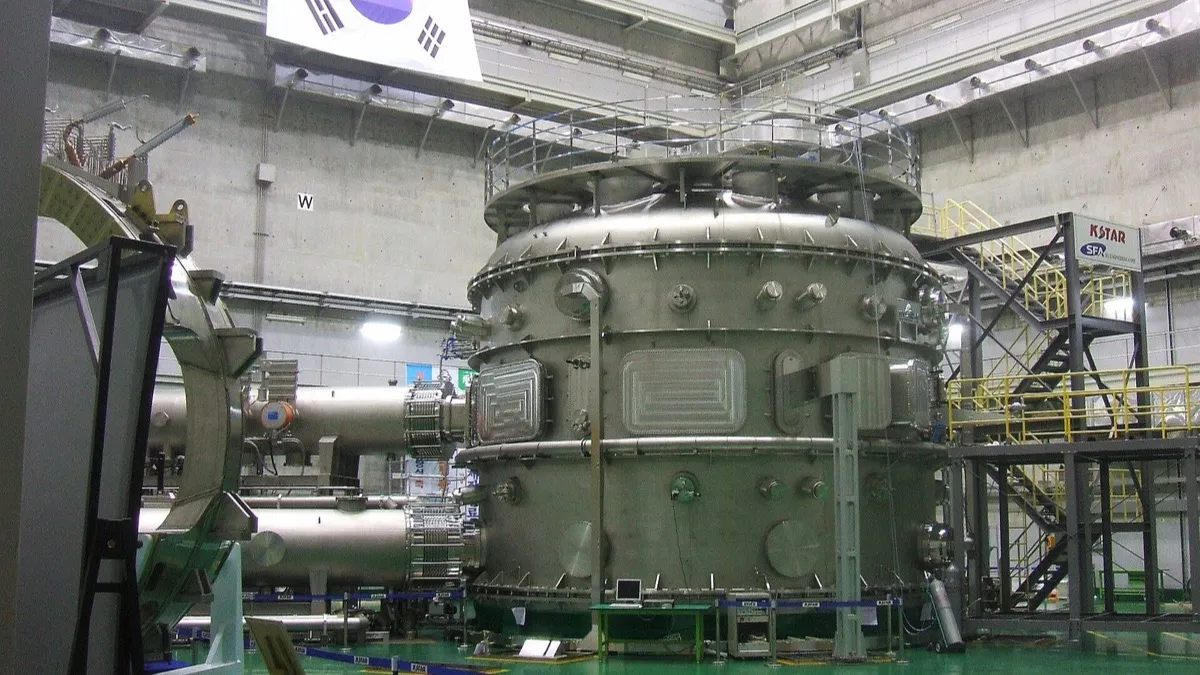
- Cover image: Michel Maccagnan, CC BY-SA 3.0, via Wikimedia Commons
Edited by Rodrigo Cornejo. How we select and verify: who writes these notes.