What happened
Fervo, a geothermal energy company, said in its third-quarter report that it has $11.9 billion in contracted revenue, up from $7.2 billion the previous quarter. It is on track to finish by the end of 2028 a 396-megawatt plant for Google, now called Cape Google 400. This year it connected a first 100-megawatt plant to the grid. Both projects are at Cape Station, in Utah.
Why it matters
Large cloud operators are looking for electricity for their AI data centers, and geothermal offers a source that runs day and night. CEO Tim Latimer explained that the Google project will connect to the grid, so Google can use the power and sell to others if it is not yet ready to use it. That way neither side waits for the other.
The number
Cape Station could generate 8.4 gigawatts, double the roughly 4 gigawatts experts had estimated.
Context
Phased construction is an advantage over large nuclear or gas plants. Fervo’s new wells are deeper and hotter, and each can generate 15 gross megawatts; several are linked into a “GeoBlock.” The first generated 33 megawatts and recent ones reach 50, sized to match the demand of one data center hall. The company is still young: it ended the quarter with an operating loss of $43.7 million, and has $1.9 billion in cash and $301.6 million in long-term debt. On related topics, Mamífero published Nscale raises $3.36 billion ahead of its IPO; Crusoe sells its Wyoming data center to Google; A $11.4 million Nvidia shipment vanishes and Data centres turn to aircraft engines for power.
What’s next
What will decide its future is bringing down the cost of its plants. The first phase of Cape Station cost $7,000 per kilowatt of capacity. Big buyers today pay without looking at price, but that could change, and there the company would have to win on cost.
Bottom line
The contracts are purchase promises; revenue will arrive as the plants are delivered.
Sources
- TechCrunch, article on Fervo’s quarterly report (accessed November 9, 2026).
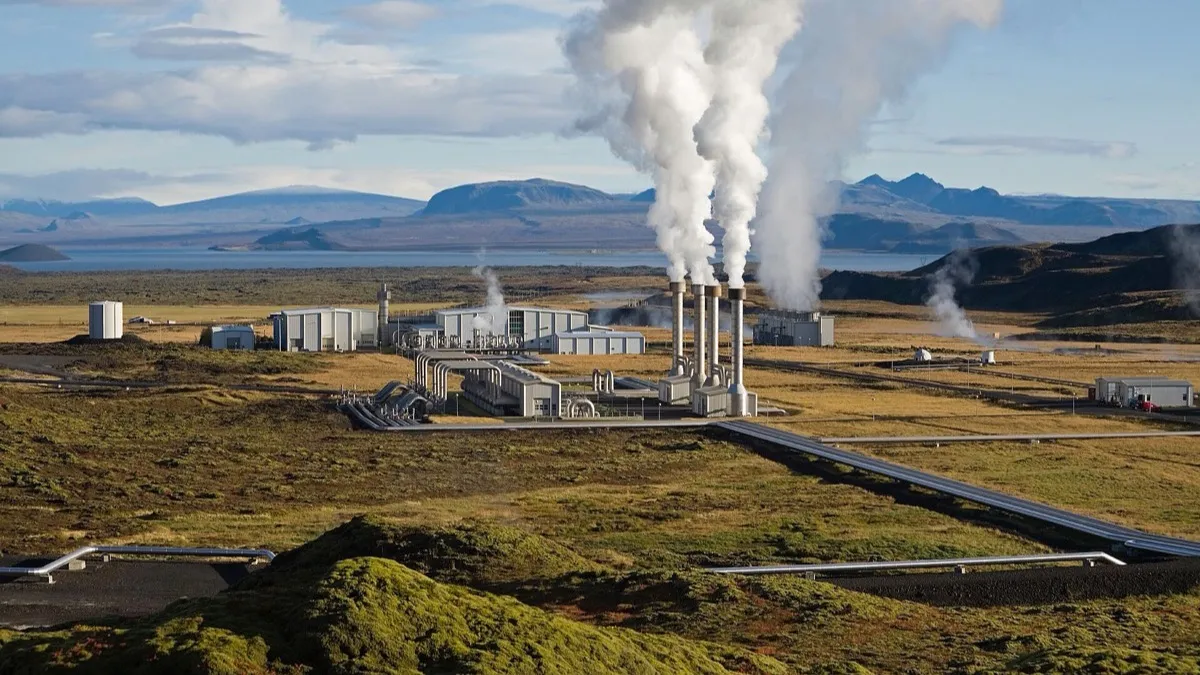
- Cover image: Gretar Ívarsson – Edited by Fir0002, Public domain, via Wikimedia Commons
Edited by Rodrigo Cornejo. How we select and verify: who writes these notes.