What happened
- Some data centres are generating their own electricity with aircraft engines converted to burn natural gas, while they wait years for a grid connection or new turbines. The New York Times reported it on 3 November 2026, according to TechCrunch.
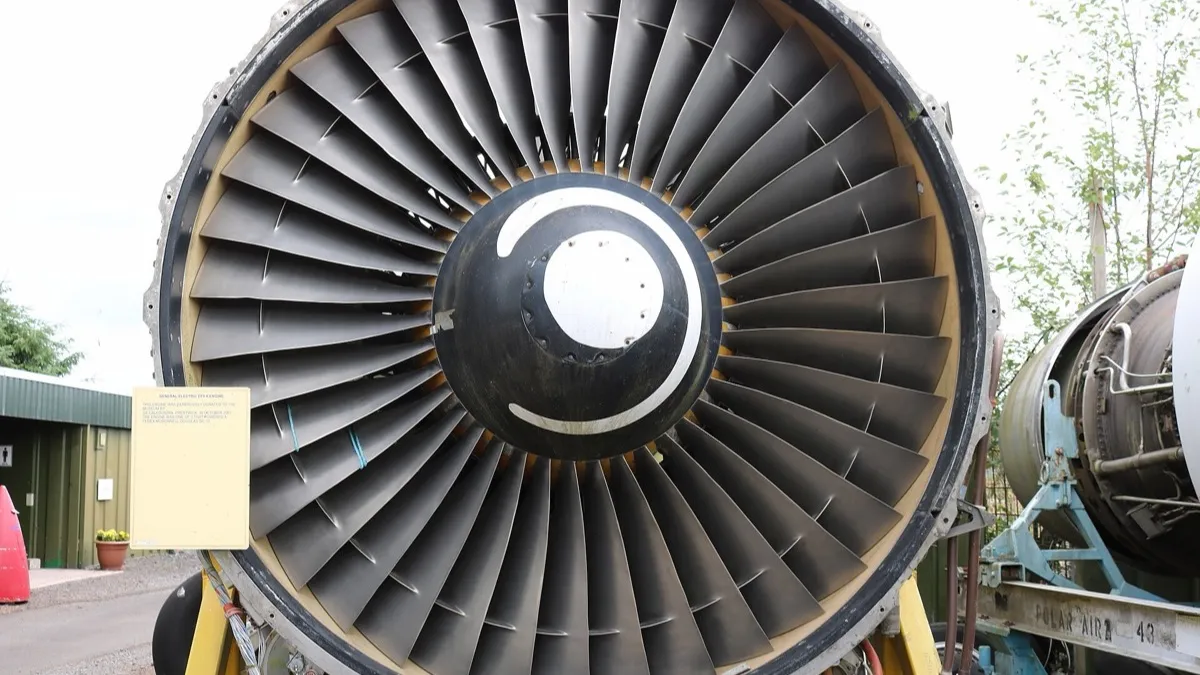
- The engines are pulled from retired aircraft and rebuilt as generators.
- xAI installed eight of these turbines in Mississippi to power its Colossus 2 data centre in Memphis, according to the Times, which cites state permits and satellite imagery. The units come from ProEnergy, which rebuilds a GE engine common on Boeing aircraft.
- Crusoe, which is building the Stargate campus in Abilene, Texas, ordered 13 converted units from ProEnergy in April.
Why it matters
- The advantage is time. “It’s all about getting power as fast as possible,” Rystad Energy analyst Audun Martinsen told the Times. With these units, “they can have a data center running in 24 months.”
- Connecting 100 megawatts to the grid in northern Virginia takes about seven years, according to the IEA as cited by TechCrunch. A Mitsubishi Power executive told Bloomberg that most new capacity will arrive around 2031.
- The delays already cost contracts: Microsoft pulled out as anchor tenant of Nscale’s data centre in Loughton, England, after the local utility said it could not deliver enough power until the early to mid-2030s.
The number
7 years. That is how long it takes to connect 100 megawatts to the grid in northern Virginia. With converted engines, a data centre can run within 24 months.
Context
Converted engines have costs. They are less efficient and pollute more than turbines designed for conventional gas plants, and more units are needed to produce the same power, according to the Times. Some experts expect efficiency and environmental impact to weigh more in a year or two, which would make these machines a short-term fix. In September, Crusoe walked away from a US$1.25 billion deal to buy 29 turbines from Boom Supersonic, which sells a version of its supersonic jet’s engine as a power plant, although it said it will keep using turbines.
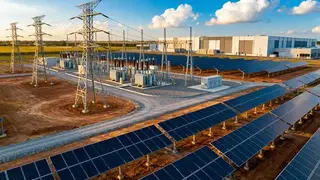
Data centre power is a topic Mamífero follows. We reported that Massachusetts asked data centres for their own clean energy and that Google is sending its AI chips into orbit to escape the power limit. Also that electrical and thermal infrastructure decides whether AI leaves the pilot stage and that Rondo and Rio Tinto are designing a 360 MWh heat battery.
What’s next
- The US government is encouraging data centres to generate their own electricity, which adds pressure for these solutions.
- The availability of turbines and connections will keep limiting where and when new centres are built.
- Environmental permits for these units may become a point of local conflict.
Bottom line
The shortage of grid connections is pushing data centres towards an emergency fix: aircraft engines that will never fly again, burning gas beside the servers. They are quick to install, but less efficient and more polluting.
Sources
- Mehta, A., “Data centers are turning to old jet engines as the wait for power grows”, TechCrunch, 3 November 2026, techcrunch.com. It summarises a New York Times report from the same day, which could not be read directly.
- Cover image: Billy McCrorie, CC BY-SA 2.0, via Wikimedia Commons
Edited by Rodrigo Cornejo. How we select and verify: who writes these notes.