What happened
The French government formally blamed Iran for cyberattacks on thousands of internet-connected industrial refrigeration and freezer units in France and the rest of Europe. Foreign Minister Jean-Noël Barrot said in Paris that responsibility lies with the Islamic Revolution Guards Corps. France summoned Iran’s ambassador and announced it will seek European sanctions against those responsible.
Why it matters
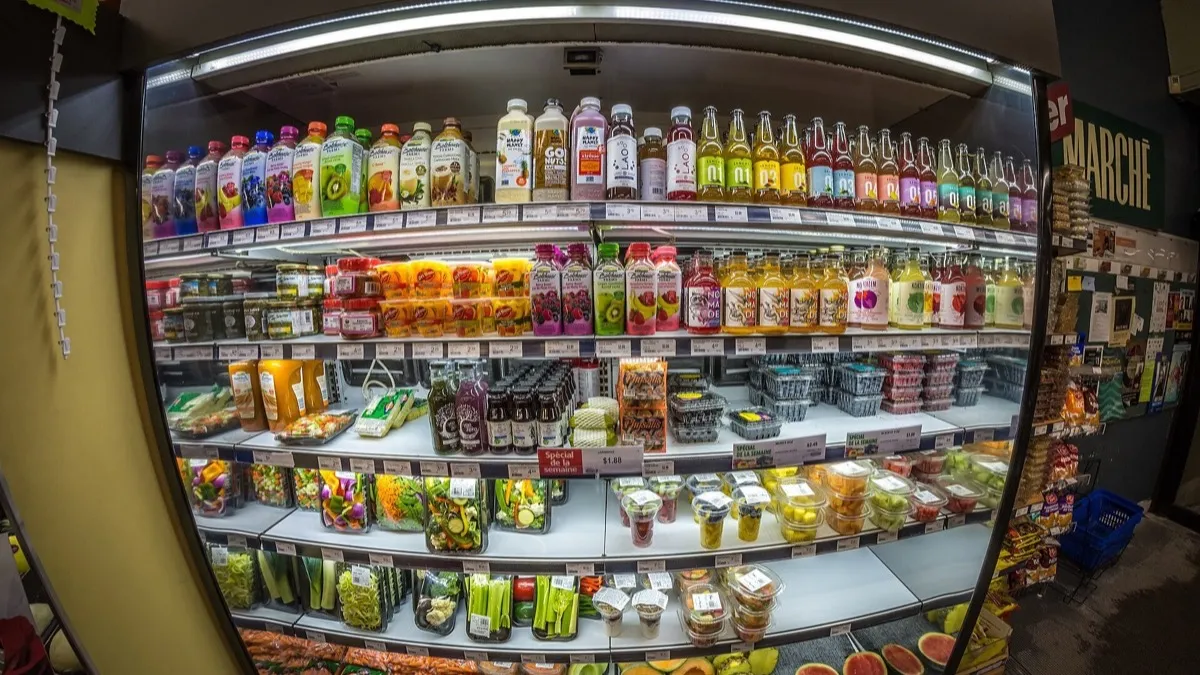
Two waves of attacks, in October and in November, remotely broke into web-based controllers that run fleets of cooling units in supermarkets and stores, and raised temperatures to spoil food and goods. Blood banks were also attacked, but the attacks were stopped before any blood was spoiled, according to the French Blood Establishment. Barrot described the event as the first large-scale act of sabotage on national territory.
The number
These attacks affected thousands of industrial refrigeration units in France and across Europe.
Context
Security researchers warned that the web controllers are vulnerable to remote attacks and that some models from the Danish company Danfoss no longer receive security patches. It is the latest in a series of destructive attacks attributed to Iran this year, after intrusions against US water providers and other hacks that affected medical device maker Stryker. The US government linked those actions to pro-Iranian hacktivists working for Tehran, probably in response to the US- and Israel-led war against Iran, in which its supreme leader died in February. Barrot said the attacks will not go without consequences and that the case is in the hands of French justice. According to the report, the US is investigating whether refrigeration units on military bases suffered similar attacks. A spokesperson for Iran’s consulate in New York did not respond immediately. On related topics, Mamífero published New wave of cyberattacks hits South Korean finance firms; Gemini 4 Carbon goes first to cyber defense teams; Open letter from 100 tech firms on AI cyberattacks and Microneedle patch tracks glucose, pH and temperature.
What’s next
For those who operate internet-connected cooling equipment, the notice is practical: check whether controllers were left exposed and whether the manufacturer still provides updates.
Bottom line
Equipment nobody updates and that is open to the internet becomes a target, and this time the target was food and blood.
Sources
- TechCrunch, article on the French government’s attribution (accessed November 9, 2026).
- Cover image: Wilfredor, CC BY-SA 4.0, via Wikimedia Commons
Edited by Rodrigo Cornejo. How we select and verify: who writes these notes.