What happened
Natural killer cells, NK, can contribute to tumor immunity by organizing signals that activate other defenses, in addition to directly attacking altered cells. A review published in Nature Cancer on November 10, 2026 examines these circuits and how they are disrupted in established tumors.
This note is based on the public abstract of the review. Its full text was not consulted nor is it a new clinical trial. The authors’ central proposal is to study the restoration of communication between NK and dendritic cells as a way to promote immune responses.
Why it matters
The activity of an isolated cell does not explain the entire response of a tissue. The abstract places NKs as initiators of inflammatory programs that recruit and activate dendritic cells; These can later facilitate the activation of T lymphocytes.
The interest is in the order and coordination of the signals. If that connection fails, increasing a single activity may not restore the entire sequence. It is a way of organizing evidence and formulating intervention hypotheses. The review does not demonstrate that repairing a specific circuit will benefit all people with cancer nor does it establish a clinical prescription applicable to any tumor.
The number
Three connected components. NK cells, dendritic cells and T lymphocytes appear in the sequence described. The review does not publish a patient response rate in its summary, so it is not appropriate to assign a percentage of effectiveness to the proposal.
Context
The authors describe metabolic stress and immunosuppressive signals that can disrupt communication between NK and dendritic cells in established tumors. They also review cytokine circuits and the metabolic control of NK functional capacity.
The approach highlights that cellular state, resources and signals mutually condition each other. Talking about a circuit is a way of representing those dependencies, not the identification of a single switch that controls the entire process.
On related topics, Mamífero has also published cell-cell-free DNA and cancer detection, an intervention with CAR-T cells, Miro1 and insulin resistance and autoantibodies in cerebrospinal fluid.
What’s next
The hypothesis is that restoring integrated immune connections could help transform defense-excluding tumors into states more sensitive to immunotherapy. It is a possibility raised by the authors, not a clinical result confirmed in this publication.
To move from this framework to an intervention, mechanisms, tumor contexts and response measures must be defined. It will then be necessary to evaluate benefits and unwanted effects in appropriate designs. With the available summary, it is not possible to compare therapeutic options or anticipate which people would respond. The usefulness of the review is to point out experimental questions and relationships that deserve to be studied together, keeping that research agenda separate from any treatment decisions.
Bottom line
The review proposes to observe tumor immunity as a network of communications and metabolic states. NK cells can initiate some of that coordination. The progress lies in bringing together mechanisms and hypotheses to investigate them; The publication does not advertise a therapy with proven clinical efficacy.
Sources
- Nature Cancer, DOI 10.1038/s43018-026-01276-2; verified publication date in the journal, November 10, 2026. Note based on the public abstract of a review, not a clinical trial. The magazine does not indicate publication time.
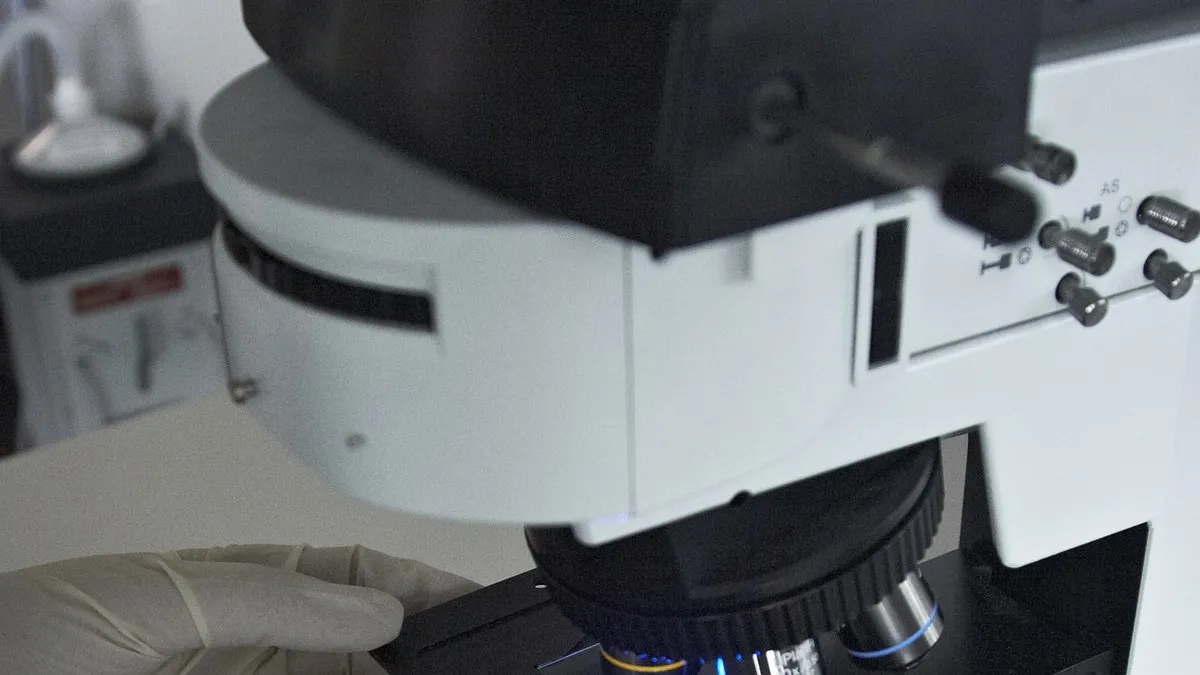
- Cover image: Morgan Brown, CSIRO, CC BY 3.0, via Wikimedia Commons. Cropped and resized to 1200 × 675 pixels. Reference photograph; it does not document the announced event.
Edited by Rodrigo Cornejo. How we select and verify: who writes these notes.