What happened
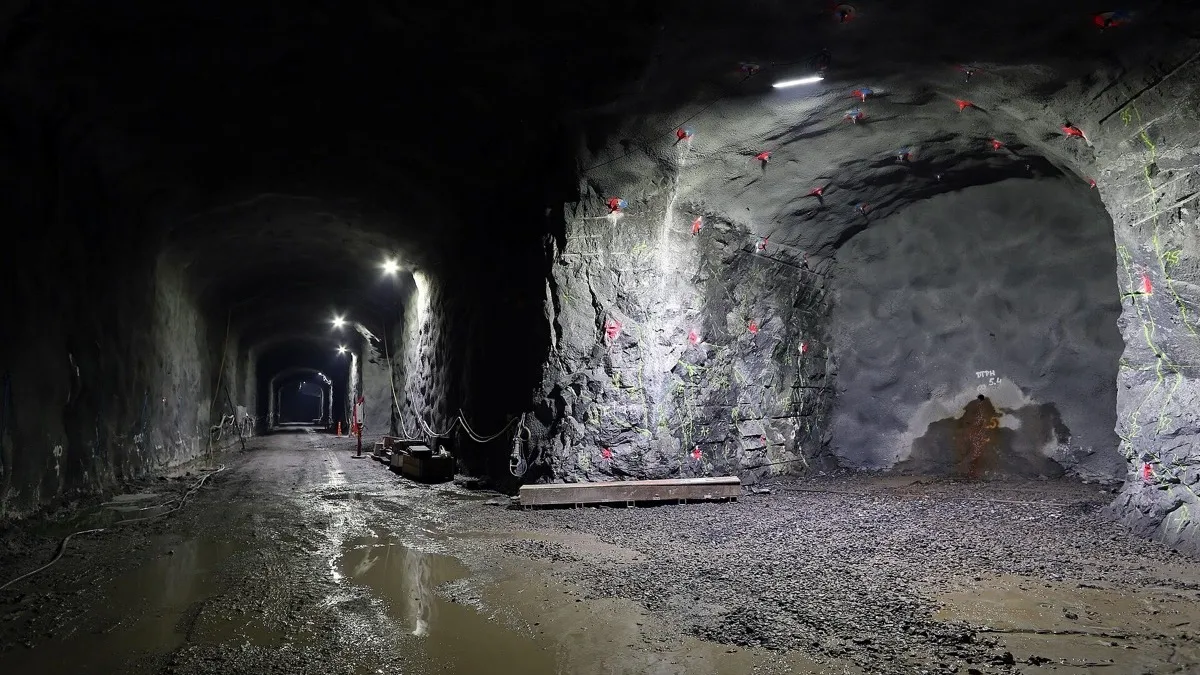
- On October 22, 2026, the Finnish government granted Posiva the operating licence for its encapsulation and final disposal facility for spent nuclear fuel at Olkiluoto.
- According to Posiva, it is the first operating licence anywhere in the world for the final disposal of this waste.
- The decision rested on the safety assessment issued in August by Finland’s Radiation and Nuclear Safety Authority (STUK).
- The licence does not mean an immediate start. Posiva must complete commissioning with tests and inspections that STUK has to verify and approve, and there is no schedule.
Why it matters
- What happens to spent fuel is a frequent objection to nuclear power. A site licensed to operate moves that debate from the hypothetical to the technical.
- For countries weighing new reactors, the Finnish case offers a timeline benchmark: the process took more than 40 years and operation will last over a century.
- Posiva is owned by TVO and Fortum, the utilities that produce the waste. The job of dealing with it falls on those who generate it rather than on future generations, according to the company.
The number
Over 100 years. Expected length of operation, according to Posiva.
Context
Long-term safety relies on several barriers, natural and engineered, that isolate the fuel in deep bedrock. Posiva Solutions, the company’s subsidiary, already sells its expertise to 19 countries.
What’s next
- Completion of commissioning and STUK verification, with no date announced.
- Then, the start of final disposal.
Bottom line
Nuclear power is also back on the space agenda: NASA closed contracts for the nuclear module of SR-1 Freedom. And in industry, Rondo and Rio Tinto are designing a 360 MWh heat battery for a refinery.
Sources
- Posiva — Finnish Government grants operating licence to Posiva (press release, October 22, 2026)
- Cover image: kallerna, CC BY-SA 4.0, via Wikimedia Commons
Edited by Rodrigo Cornejo. How we select and verify: who writes these notes.