What happened
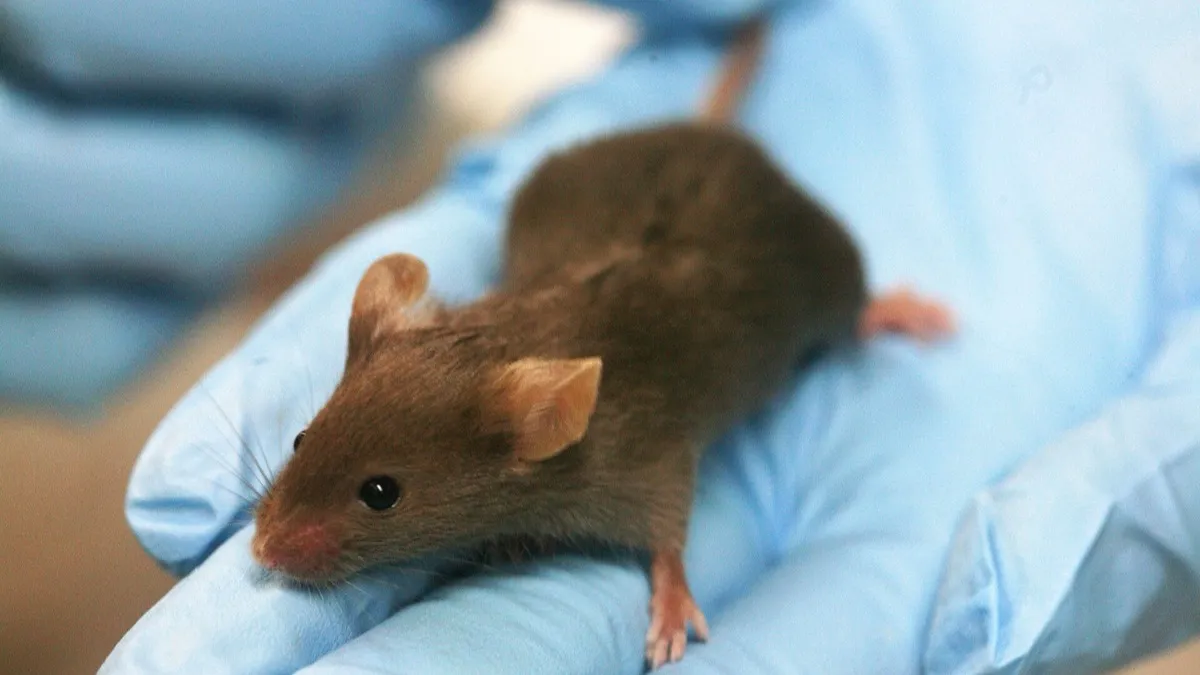
- A team led by Zheng Xu, Zhi-Jie Fan and Yi Mei reported on November 7, 2026 in Nature Communications that a single dose of propofol rapidly and persistently reduces alcohol consumption in mice for about six days.
- Propofol is an intravenous anesthetic. The effect is due to sustained hyperactivity of a set of neurons in the lateral habenula (LHb), a region that regulates alcohol consumption.
- That set is rich in serotonin 5-HT2C receptors, and the authors identify the V209 site as propofol’s binding point.
- If that binding is disrupted, both the neurons’ activation and the drop in drinking disappear. It is a mouse study; the note is based on its abstract.
Why it matters
Lateral habenula neurons respond with high sensitivity to propofol, but it was not known whether activating them changed drinking behavior. The work links a known drug to a specific circuit and a specific receptor, and offers a mechanistic framework for understanding alcohol consumption.
An effect lasting days after a single dose stands out because most drugs act while they remain in the body.
The number
About six days. That is how long the reduction in alcohol consumption lasted in the mice after a single dose. The authors attribute the persistence to sustained hyperactivity of the activated neuron set.
Context
The lateral habenula is a brain region involved in regulating drinking. The authors located in it a set of neurons activated by propofol, rich in 5-HT2C receptors, and showed that the receptor’s V209 site is where the anesthetic acts. Altering that site cancelled both the activation and the effect on consumption.
There are clear limits. The results are in mice and were not tested in people; the abstract reports no equivalent doses, safety or effects on other behaviors. That an anesthetic has this effect in rodents does not imply it works as a treatment for problem drinking in humans.
At Mamífero we have followed brain and behavior studies. The brain processes smells according to the phase of breathing, a man survives a knife that went through his eye and brain, a PET scan with a labeled amino acid detects 91% of glioblastoma and the parietal cortex readjusts its number code by estimated range.
What’s next
- Other laboratories will have to replicate the effect in mice and other species.
- It remains to be known whether the habenula circuit and the 5-HT2C receptor act the same in people.
- The V209 site could guide the design of more selective molecules, though that remains to be shown.
Bottom line
The study shows, in mice, a mechanism linking an anesthetic, a receptor and a sustained change in drinking behavior. It is a basic-science result, still far from clinical use.
Sources
- Xu, Z., Fan, Z.-J., Mei, Y. et al., “Propofol induces sustained suppression of alcohol drinking via habenular activation in mice”, Nature Communications, November 7, 2026, DOI 10.1038/s41467-026-79118-z, link. The note is based on the paper’s abstract.
- Cover image: Rama, CC BY-SA 2.0 fr, via Wikimedia Commons
Edited by Rodrigo Cornejo. How we select and verify: who writes these notes.