What happened
A group at Howard University published in Protein Science a review of how quantum effects might operate inside protein networks. The text gathers experimental, computational and theoretical work on how proteins interact with light, sustain chemical reactions and respond to their surroundings. Its authors argue that quantum biology is expanding beyond photosynthesis and animals’ magnetic navigation.
Why it matters
For years the body was thought too warm and wet to sustain delicate quantum phenomena. The review gathers evidence that organized protein fibers can absorb and emit light collectively at room temperature, and links protein movement to quantum tunneling in enzymes. It also mentions quantum sensors to measure conditions inside cells. If these ideas are confirmed, there would be new tools to measure and understand biology.
The number
The article organizes the last decade’s literature into eight themes, from collective light emission and protein vibrations to magnetism and quantum technologies.
Context
Philip Kurian, founding director of Howard’s Quantum Biology Laboratory, said his group’s discovery of superradiance in solvated protein fibers in thermal equilibrium opens a window on the role of quantum processes in living things. The team calls this agenda “Quantum Biology 2.0” and wants to connect findings across disciplines to study quantum effects in whole biological systems. It is a review: the authors neither generated nor analyzed new data. On related topics, Mamífero published Six AI tools reviewed 102 papers and none won outright; Bechtle gives DLR cloud access to IQM quantum machines; UbiQD gets US$ 200,000 for a single-photon source and A space-time limit sets the ceiling for electronics.
What’s next
It remains to be shown what role these phenomena actually play in cell function, something the review raises as a research program and not as established fact. The authors point to enzyme catalysis, evolutionary behavior and sub-neuronal brain mapping.
Bottom line
It is a work proposal, with partial evidence, on a question that divides the scientific community.
Sources
- The Quantum Insider, article on the review published in Protein Science (accessed November 9, 2026).
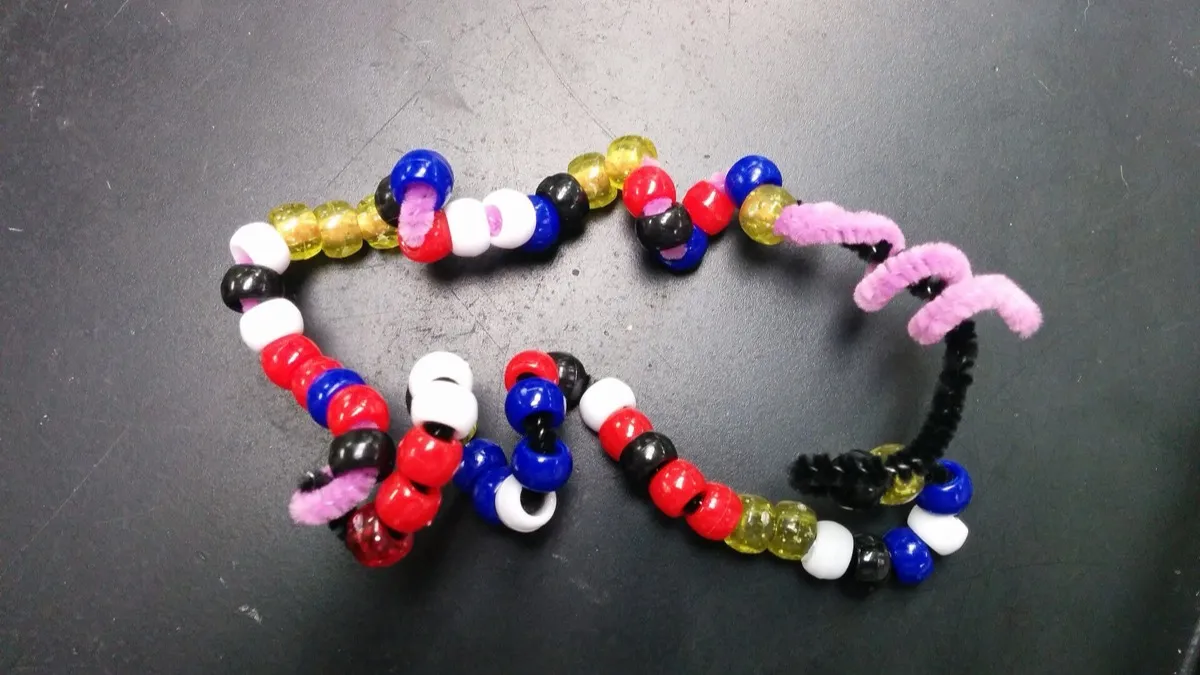
- Cover image: Bennettscience, CC BY 2.0, via Wikimedia Commons
Edited by Rodrigo Cornejo. How we select and verify: who writes these notes.