What happened
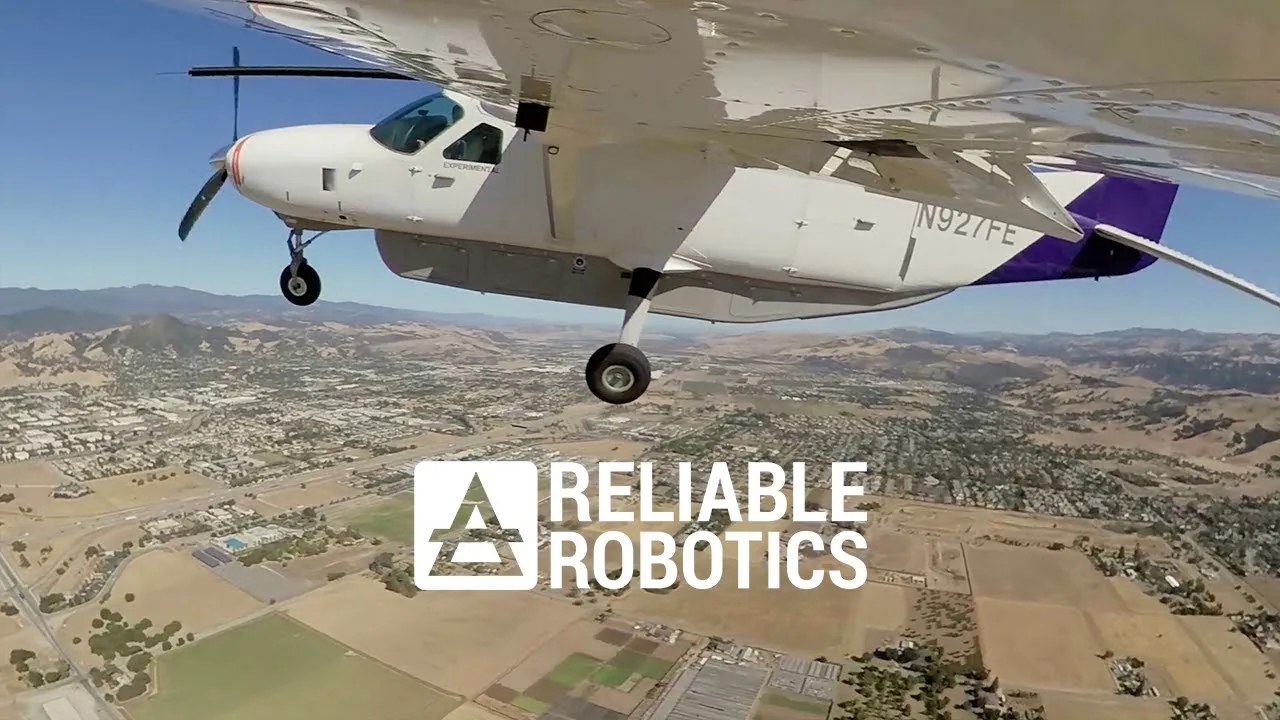
- Reliable Robotics, of Mountain View, California, announced on October 20, 2026 a US$ 115 million extension of its Series D: US$ 90 million in equity led by Nimble Partners and US$ 25 million in debt from Silicon Valley Bank.
- The Series D now totals US$ 275 million, total raised reaches US$ 380 million and the valuation exceeds US$ 1 billion, according to TechCrunch.
- The company has spent almost a decade developing autonomous flight technology that can be installed on existing aircraft. Its CEO, Robert Rose, comes from SpaceX.
- It seeks certification from the FAA, the U.S. aviation authority, on four fronts: continuous autopilot, remote-pilot operation, an in-house collision-avoidance radar and a cargo airline.
Why it matters
- The money arrives before the permit. The first milestone, an autopilot that handles engine start, taxiing, takeoff and landing with a pilot on board, is expected in 18 to 24 months according to Rose. The ground-based pilot, in at least three years.
- For cargo transport in Chile and the region, with small airstrips, long distances and few pilots, the technology targets aircraft that already exist, not a new fleet. It changes the question: from buying planes to certifying software.
- What the press coverage does not stress: the FAA certifies the equipment and the airline’s operations separately. The company needs both approvals to operate without a pilot.
The number
18 to 24 months. The time its CEO estimates for certifying the continuous autopilot. The radar, by the end of 2027.
Context
The group’s airline, Reliable Airlines, operates six Cessna Caravans from Albuquerque, six days a week. It would be the first certified to use this technology. In parallel, other sectors test autonomy in freight: see Kodiak and AWS simulating autonomous trucks and Amazon’s robot factory in Indiana.
What’s next
- Solid-state collision-avoidance radar: certification expected by the end of 2027.
- Continuous autopilot: 18 to 24 months.
- Remote pilot: at least three years.
Bottom line
Autonomy in the air advances through paperwork, not demonstrations: each milestone is a regulatory approval. On the ground the same happens with Kodiak’s trucks.
Sources
Edited by Rodrigo Cornejo. How we select and verify: who writes these notes.