What happened
- Renault Group unveiled Forefront, an electric, autonomous ground platform concept designed for the French Army’s most demanding missions.
- It was developed with John Cockerill, a Belgian defense electronics firm.
- Electrek reported it on 8 November 2026.
- The platform is modular, can be industrialized quickly at controlled cost, and is presented with its own off-road mobility and performance.
- It is meant to navigate complex terrain on its own and carry out remote missions in high-risk or hard-to-reach environments.
Why it matters
It is a high-volume carmaker entering unmanned ground vehicles. The auto industry dominates mass production of batteries, electric motors and driving software, three pieces armies need in quantity and at lower prices than traditional armored vehicles. An autonomous logistics vehicle reduces the number of people exposed on supply routes, and “modular” suggests a common base with different payloads.
The number
1 concept, 2 uses. Renault and John Cockerill say Forefront serves both defense and civilian applications, per Electrek.
Context
Forefront is a concept, not a fielded product: the material read gives no range, payload, price or test calendar. The company’s statement says the platform brings Renault’s industrial and technological expertise to a strategic sector. Related coverage: China blocks SoftBank’s US$ 5.375 billion purchase of ABB Robotics, Amazon will build its own robots in Indiana with $100 million and 300 jobs, Blue Origin tests Northstar, an engine with half the parts that aims to cost a quarter, The Pentagon offers 6K a US$ 250 million loan for a battery materials factory.
A concept lets a company gauge interest before funding a prototype, and shows a potential buyer, here the army, what an industrial partnership could deliver. That Renault chose to present the platform with a defense partner suggests it seeks credibility in a sector with its own requirements for certification, safety and combat resilience, which a passenger-car maker does not meet by default.
What’s next
- Technical specifications and a field prototype date are missing.
- The French army must decide between a tender or continued demonstrations.
- Rules on autonomous systems in defense, which vary by country, will set which functions can be switched on.
Bottom line
A carmaker eyeing the battlefield reflects where defense spending moves: fewer one-off machines, more platforms produced the way vehicles are produced.
Sources
- Jo Borrás, “French carmaker Renault wants to get into the military robot business”, Electrek, 8 November 2026. Based on the article; Renault’s press release was not reviewed.
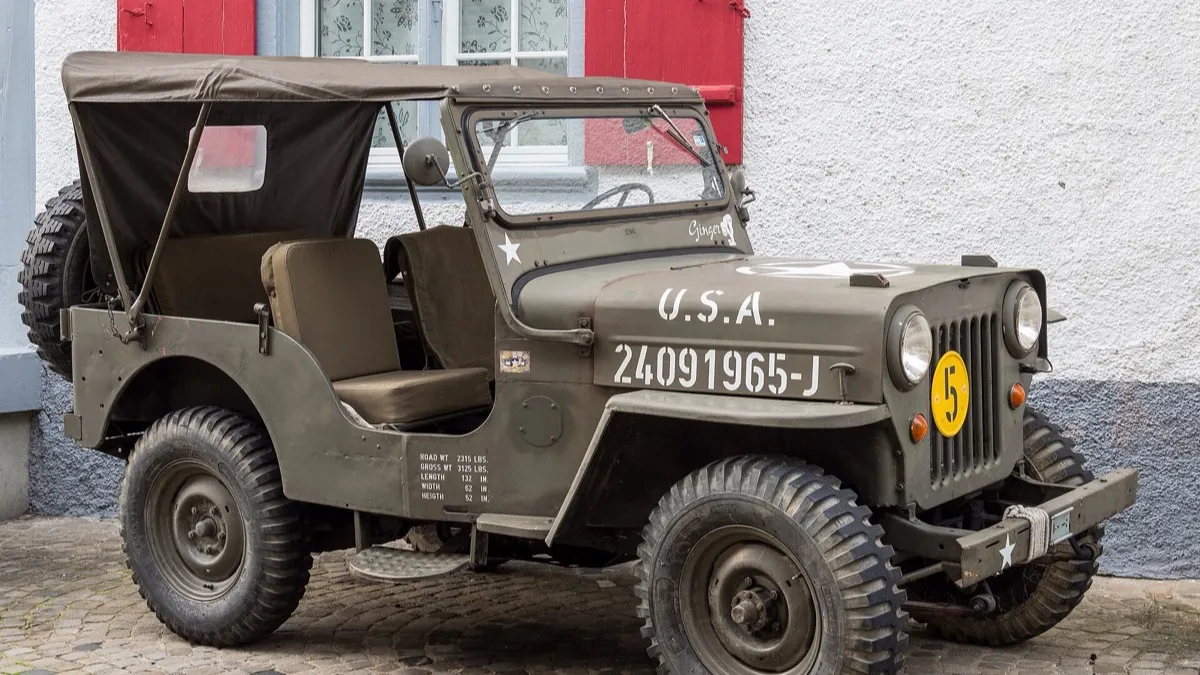
- Cover image: JoachimKohler-HB, CC BY-SA 4.0, via Wikimedia Commons
Edited by Rodrigo Cornejo. How we select and verify: who writes these notes.