What happened
- On October 23, 2026, Communications Biology published a study of girls with Turner syndrome that compares those with a single X chromosome in all their cells with those who have a mix of 45,X and 46,XX cells.
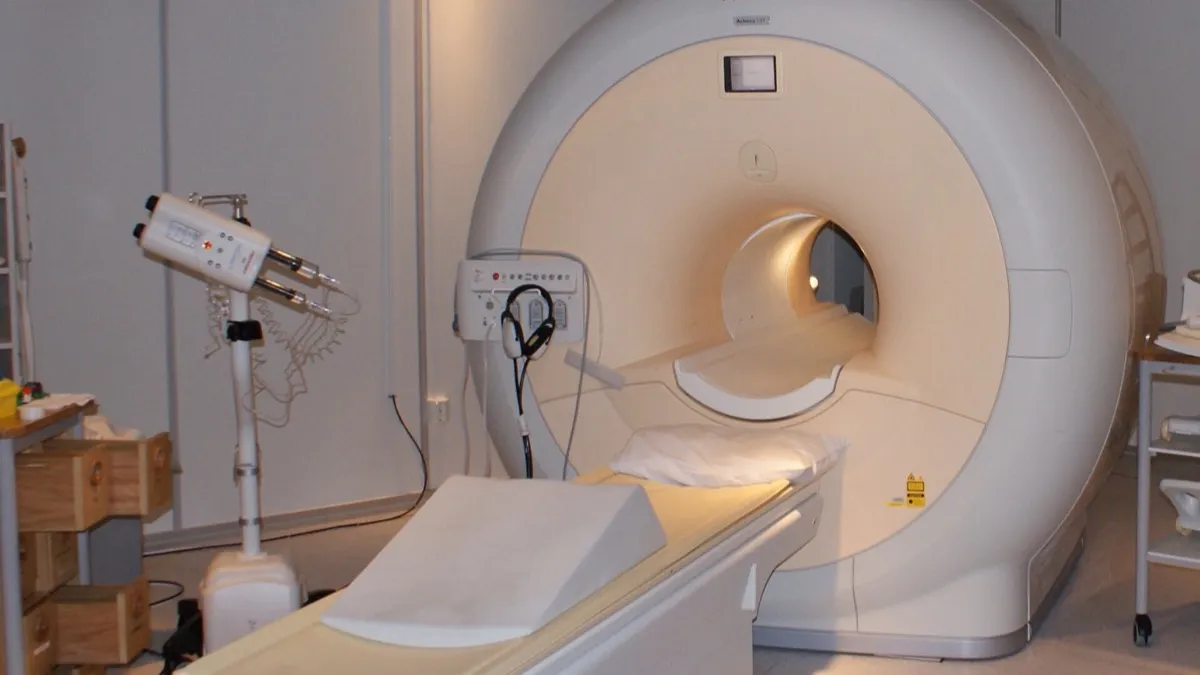
- Forty-eight pre- or early pubertal girls took part: with monosomic Turner, with mosaic Turner and without the syndrome. The team, from the universities of Zurich and Stanford, King’s College London and Arizona State University, combined structural MRI and neurocognitive tests.
- Using a regression model, it found that a higher share of 46,XX cells is predicted by the structure of somatosensory, motor, visual and language areas and by performance in visuospatial, fine motor and language tasks.
Why it matters
- Women have two X chromosomes and one is inactivated early, although some genes escape that inactivation. Losing an X lowers the dose of those genes.
- Turner syndrome with a single X has consistent brain and cognitive traits. It was unclear whether mosaicism softens them, and the study indicates it partly does.
- For families, the degree of mosaicism may help explain variation among girls with the same diagnosis.
The number
48 girls. Sample size, split into three groups: monosomic Turner, mosaic Turner and no syndrome.
Context
The authors propose that mosaicism partly rescues traits linked to 45,X monosomy. They also suggest the X chromosome could explain part of the variation among women and some sex differences in neuropsychiatric conditions. With 48 participants, the study is small and its conclusions need replication. Biology that separates subgroups within one diagnosis appears in the circadian subtype of depression from Sydney and in Alzheimer-like changes in ALS.
What’s next
- The conclusions need larger cohorts and follow-up over time to know whether the differences persist after puberty.
- The link between genes that escape inactivation and brain development remains a line of research.
Bottom line
How many cells keep both X chromosomes leaves a mark on these girls’ brains. Physical traits tied to biology are also reconstructed from fossils, as with the proteins that identified Denisovans at Xujiayao. And behaviour learned from experience is studied in primates: macaques that lived through an outbreak avoid contaminated food.
Sources
- Communications Biology — Relationship between X chromosome mosaicism, neuroanatomy and cognitive performance in females (October 23, 2026)
- Cover image: Jan Ainali, CC BY 3.0, via Wikimedia Commons
Edited by Rodrigo Cornejo. How we select and verify: who writes these notes.