What happened
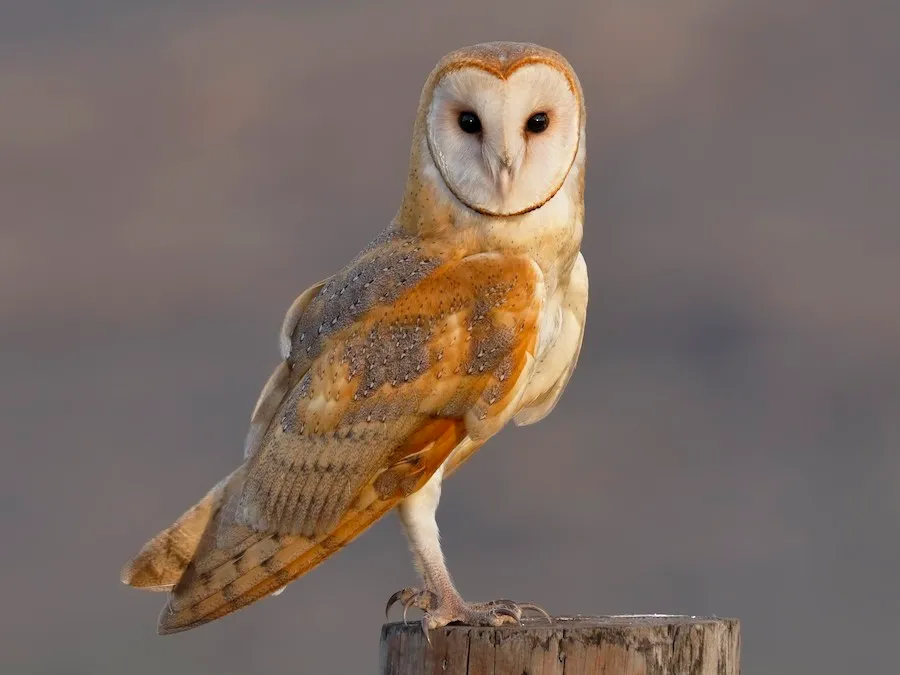
- Researchers at the Florida Museum of Natural History and Virginia Tech published in Proceedings of the Royal Society B a genetic analysis of barn owls (genus Tyto). The release is dated October 20, 2026.
- They conclude the owls crossed the Atlantic from Eurasia and diversified first in the Caribbean, where some evolved into giant forms. From there they reached the Galápagos and then the American mainland.
- The DNA came from dozens of specimens collected as early as 1876 and held in 11 museums.
- Barn owls reached North America less than 5 million years ago. The American barn owl (Tyto furcata) originated in the Caribbean less than 2 million years ago.
- At least nine Caribbean species are extinct. Tyto pollens stood about a meter tall. On Hispaniola, its prey was ten species of hutia.
Why it matters
- The Caribbean appears as a cradle of diversity, not a periphery. It is a finding with a direct effect on where fossils are sought and which islands are protected.
- For natural-history museums in Latin America, which hold old collections, the study shows a new use for specimens from 1876: they are no longer only displayed, they are sequenced.
- The consequence the release does not stress: if most of the diversity disappeared, what is observed today is a remnant. The extinct ones are known only from bones and from this genetic reconstruction.
The number
At least 9. Caribbean barn owl species now extinct, according to the authors.
Context
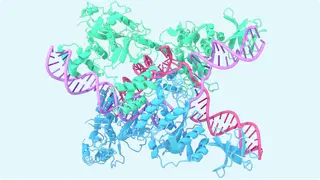
Lead author Min Zhao did the research as a postdoctoral associate at the Florida Museum. The authors used DNA from preserved specimens, a technique that allows lineages that no longer live to be studied. The underlying tool is the same one that drives multiomic genomics and virus structure prediction: reading biological information at scale.
What’s next
- No follow-up studies announced.
- Pending: more Caribbean fossil samples to check the genetic tree.
- No announced dates.
Bottom line
A nineteenth-century collection ends up answering a question from 2026. Biological archives hold value as long as someone has the means to read them.
Sources
- EurekAlert — Caribbean islands were once the center of diversity for barn owls (Florida Museum of Natural History release, October 20, 2026)
- Proceedings of the Royal Society B — barn owl study (DOI 10.1098/rspb.2026.1022)
Edited by Rodrigo Cornejo. How we select and verify: who writes these notes.