What happened
- Google announced on 28 October 2026 that Chrome’s enhanced autofill can now suggest, while an online form is being filled in, information taken directly from Gmail.
- The feature uses Gemini with Personal Intelligence, the system that links Google’s apps to its assistant, to find details such as order numbers, shipment tracking information and flight bookings.
- According to TechCrunch, Chrome could also suggest a membership number, an address, a phone number or a credit card number if they appear in email.
- The rollout began in the United States, on desktop and on Android and iOS, for people who use Gemini in Chrome and have Personal Intelligence switched on.
Why it matters
- The browser now reads email content to complete third-party forms. Until now autofill worked with data the user had saved in the browser itself, such as name, address or card.
- Google says sensitive data is encrypted and that each person decides in Chrome’s settings whether to turn the feature on and what it can access.
- The move tightens the link between Chrome, Gmail and Gemini. Anyone who enables it gets one more reason to stay with Google’s browser inside its AI ecosystem.
The number
3 operating systems. The feature reaches desktop, Android and iOS at the same time, though only in the United States.
Context
Personal Intelligence already let people connect Google’s apps to Gemini to answer questions from personal data. Google had extended it to other products before: Mamífero reported how Gemini was linked to Gmail, Calendar and Maps inside Android Auto with optional permission.
TechCrunch compared the new feature with an Apple function that detects verification codes arriving by text message and shows them above the keyboard so they can be entered with one tap.
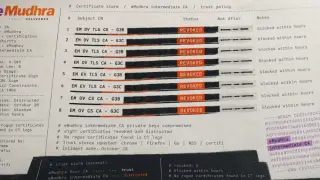
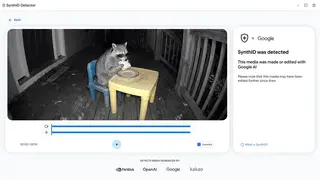
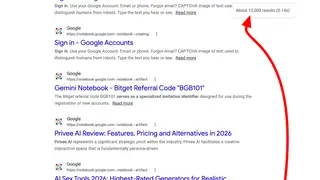
Trust in the browser also depends on how certificates and data are handled. Chrome, Firefox and Apple recently blocked certificates issued with guessable keys. And Google has had to explain its use of AI on other fronts, such as when it began marking its generated content with SynthID or when it indexed thousands of spam pages built with its own notebooks.
What’s next
- Google did not say when the feature will reach other countries or whether it will be available in Spanish.
- For people handling personal data in Latin America, the question is how consent will work when a browser combines email with third-party forms.
- Companies receiving those forms will not see where the data came from. For them, the information will arrive as if the user had typed it.
Bottom line
Filling in a form with a booking number that sits in your inbox saves time. The cost is that the browser reads that inbox. Google leaves the decision to each person, with the feature off unless it is switched on in settings.
Sources
- Google, “Chrome’s enhanced autofill helps you fill out forms with suggestions pulled from Gmail”, 28 October 2026: blog.google
- TechCrunch, “Chrome’s AI-powered Autofill can now dig through your Gmail to fill out forms”, 28 October 2026: techcrunch.com
- Cover image: TealComet, CC0, via Wikimedia Commons
Edited by Rodrigo Cornejo. How we select and verify: who writes these notes.