What happened
The world is on course for its hottest year on record, according to scientists consulted by the BBC. Berkeley Earth, an independent US research group, said it is 95% confident that 2026 will beat the 2024 record, with two months still to go. The warning comes as leaders and negotiators gather in Antalya, Turkey, to open COP31, the UN climate summit. Europe’s Copernicus service also confirmed that October was the hottest on record.
Why it matters
The WMO, the UN’s meteorological body, published its own report with a more cautious projection: 2026 would be among the four warmest years. It warned that 2027 will give no respite because an unusually strong El Niño will continue next year. Secretary-General Celeste Saulo said the data give new meaning to the phrase “off the charts.” For negotiators, the challenge is increasingly twofold: cutting emissions while adapting to extremes already happening.
The number
The key figure is 95%: Berkeley Earth’s confidence that 2026 will break the 2024 record.
Context
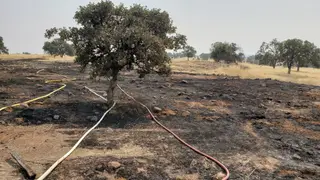
The effects are already felt in countries attending the summit. There were extensive wildfires in Europe and a sudden glacier collapse in Nepal that killed more than 1,000 people. Countries from Western Europe to Indonesia fought wildfires throughout 2026 after record heat. Robert Rohde of Berkeley Earth said consecutive record years are expected as warming progresses and that much more dramatic changes could come later. The main driver is the rise in carbon dioxide, produced mostly by burning fossil fuels. On related topics, Mamífero published Microneedle patch tracks glucose, pH and temperature; Shoppers verify AI advice; Proposal to put one number on removed carbon’s risk and A nickel catalyst reduces dilute CO₂ from flue gas.
What’s next
Simon Stiell, the UN climate chief, said at the opening that no single COP is a silver bullet and no single conference can close the gap between science and reality on its own. The final 2026 figures will be known when the year ends.
Bottom line
The projections of the two institutions differ in degree but agree on direction: a very hot 2026 and a 2027 without relief.
Sources
- BBC News, report on the Berkeley Earth forecast and the WMO report (accessed November 9, 2026).
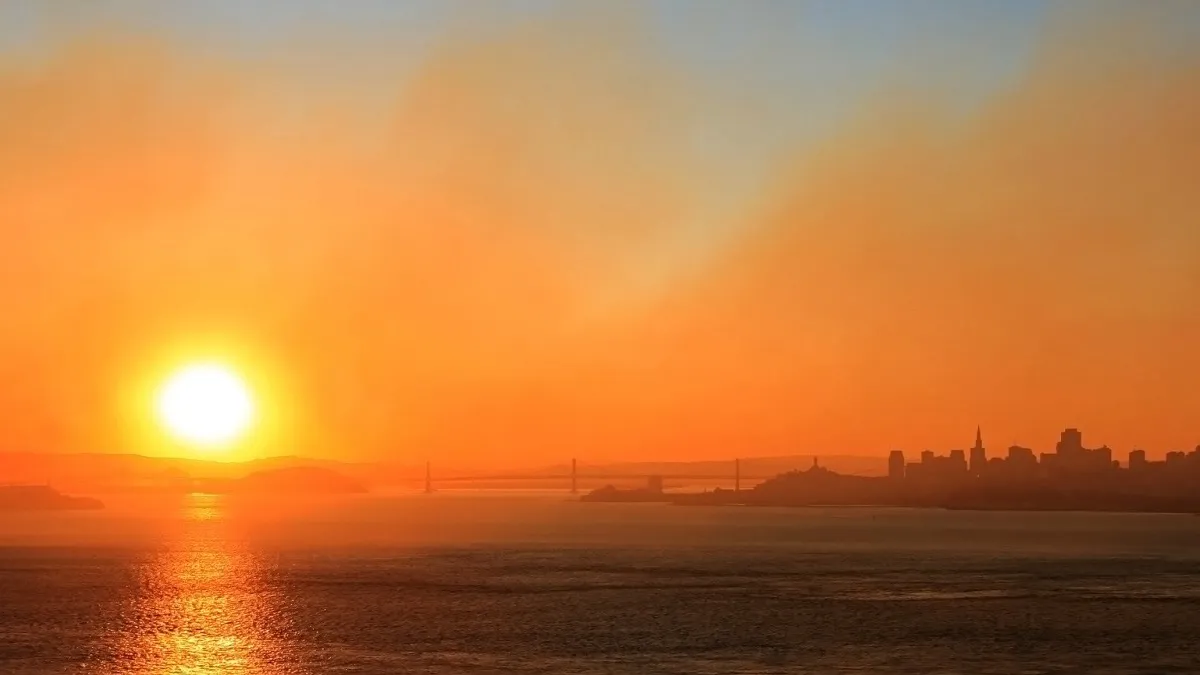
- Cover image: Brocken Inaglory, CC BY-SA 3.0, via Wikimedia Commons
Edited by Rodrigo Cornejo. How we select and verify: who writes these notes.