What happened
- Researchers from Beihang University and Tsinghua University in Beijing published online on 28 October 2026 in Science Advances a system they call “nanomaterial-genetics” (NMG) to switch on only certain neurons.
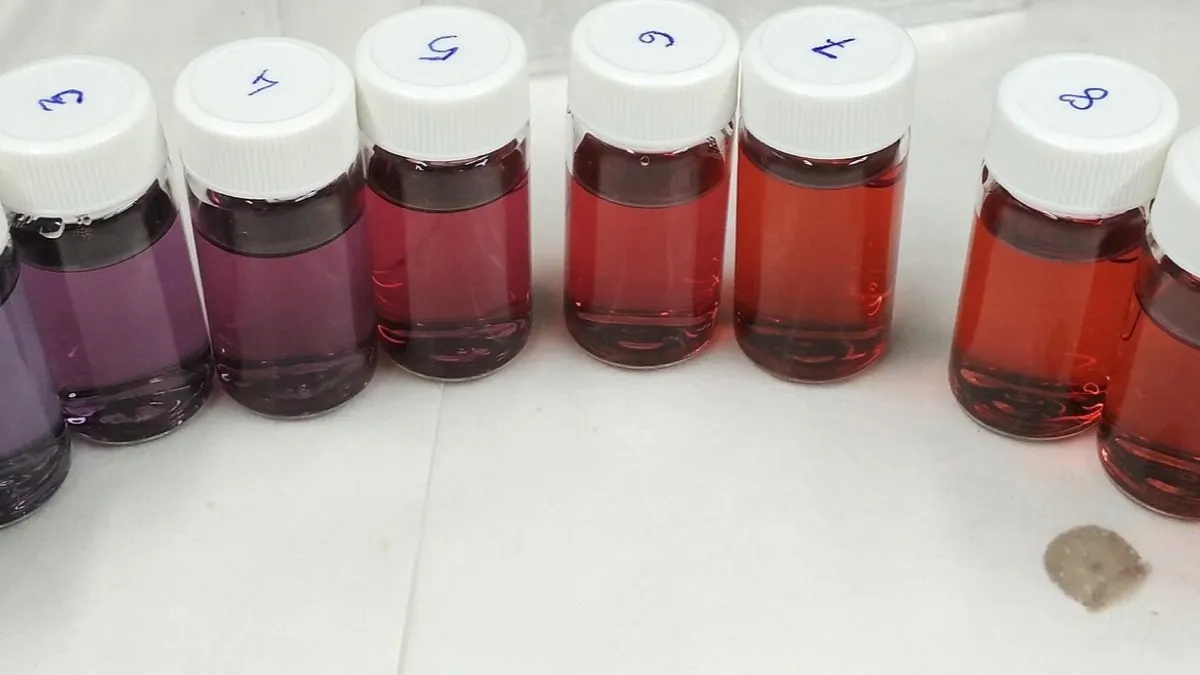
- The chosen neurons are modified to express a synthetic receptor carrying a tag called HaloTag on their surface. That tag captures gold nanoparticles coated with the molecule that recognises it.
- When illuminated with near-infrared light, the nanoparticles heat up and activate the neurons holding them. Neurons without the receptor barely respond.
- The team showed activation in cell cultures and in living animals, including modulating mouse movement with infrared light applied through the skull.
Why it matters
- Nanoparticles that respond to external stimuli are already used to modulate the brain, but they reach any nearby cell. This method steers them to a cell type defined by genetics.
- Because the particles gather where the receptor is, a very low dose is enough. According to the authors, that substantially reduces nanomaterial-related toxicity under the tested conditions.
- Near-infrared light passes through tissue better than visible light, allowing stimulation without opening the skull.
The number
15 authors. The work brings together biomedical engineering teams at Beihang and Tsinghua’s McGovern Institute for Brain Research.
Context
Optogenetics, which controls neurons with light through light-sensitive proteins, transformed neuroscience, but it usually needs implanted optical fibres because visible light penetrates poorly. The NMG system combines genetic precision with the reach of infrared light and the local heat of gold.
Mamífero has covered how genetics explains differences in the brain: an ancient retrovirus switched off in chimpanzees a gene humans use in the brain and having more cells with two X chromosomes softens Turner syndrome in girls’ brains. In precision therapies, modified transfer RNAs repaired the p53 gene in mice, and in body interfaces, a sleeve with pixel fibres shows video.
What’s next
- The method requires genetically modifying neurons, which in humans would mean gene therapy. Its immediate use is as a research tool in animals.
- The long-term safety of the gold nanoparticles and the maximum depth the effect reaches still need to be measured.
- The authors present it as a complement to current techniques and a platform for combining several kinds of stimulus.
Bottom line
The NMG system solves an aiming problem: delivering the stimulus only to the neurons that matter. It does so with well-known tag chemistry and gold that heats up under light. To go from mouse to clinic, the barrier will be gene therapy rather than physics.
Sources
- Liu, Y., Wang, X., Yin, W. et al., “Nanomaterial-genetics enables near-infrared-driven genetically targeted neuromodulation”, Science Advances, published online 28 October 2026, DOI 10.1126/sciadv.aef7843. Date and abstract confirmed on Crossref.
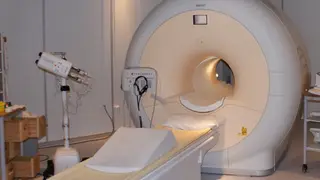
- Cover image: Kumarbarc, CC BY-SA 4.0, via Wikimedia Commons
Edited by Rodrigo Cornejo. How we select and verify: who writes these notes.