What happened
- On October 23, 2026, Science Advances published a study from Lund University in Sweden, led by Patricia Gerdes and Johan Jakobsson.
- The researchers found that a remnant of the endogenous retrovirus PTERV1, which infected chimpanzees millions of years ago, silences the LINC00662 gene. In humans that gene is active and takes part in early brain development.
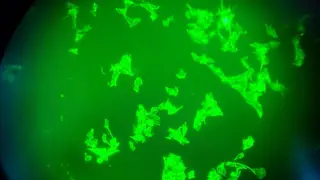
- Using stem cells from both species, they built brain organoids. The gene was strongly expressed in the human ones and not at all in the chimpanzee ones.
- When the viral sequence was removed from chimpanzee cells with CRISPR-Cas9, the gene was expressed again.
Why it matters
- The result suggests that humans and chimpanzees, with very similar genes, differ mainly in which genes are active.
- Silencing LINC00662 in human organoids with CRISPR lowered the activity of genes for neuron development and for the formation of connections between neurons.
- Jakobsson says it also shows how a virus can change a DNA sequence across an entire population.
The number
PTERV1. Endogenous retrovirus whose remnant silences LINC00662 in chimpanzees, according to the study.
Context
The researchers observed that PTERV1 copied itself at many points in the chimpanzee’s DNA and that these sequences are systematically silenced through methylation, a mechanism that determines which genes switch on or off. Organoids are three-dimensional mini-organs that reproduce features of real tissue, but they are not a whole brain. This note relies on Phys.org’s account of the Lund release and on Crossref data about the paper; the full paper was not read.
What’s next
- The authors will investigate whether other viral remnants had similar effects in brain evolution.
- Also whether this kind of sequence is linked to brain diseases.
Bottom line
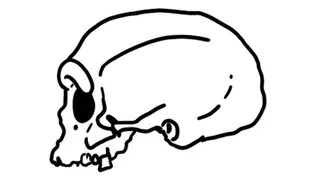
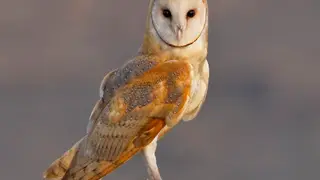
Human evolution is studied through several routes: proteins place two Xujiayao fossils as Denisovans and museum DNA places the origin of barn owls in the Caribbean. On active genes and the brain, having more cells with two X chromosomes softens Turner syndrome in girls’ brains. And another recent gene-editing result: modified transfer RNAs repair the p53 gene and reduce tumors in mice.
Sources
- Phys.org — Ancient virus helped shape differences between human and chimpanzee brains (October 23, 2026; Lund University release)
- Study: Gerdes et al., «Retroviral insertions contributed to the divergence of human and chimpanzee brains», Science Advances, DOI 10.1126/sciadv.aeg5791 (October 23, 2026 per Crossref; the paper text was not read)
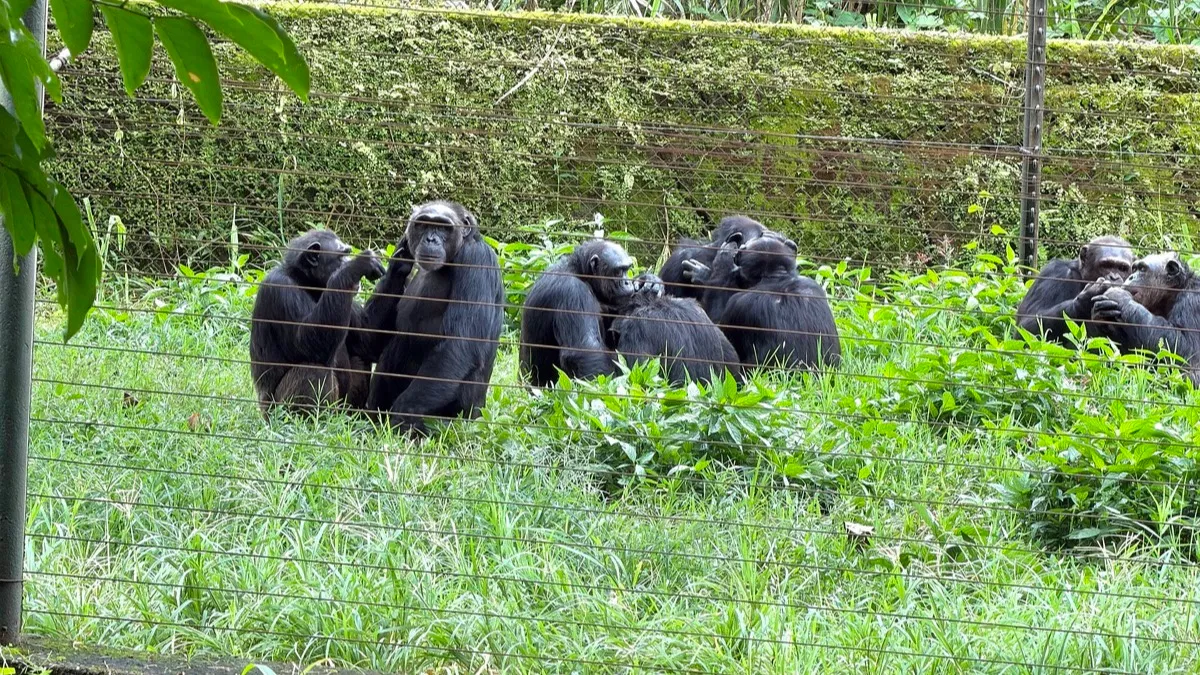
- Cover image: OkandaLizette, CC BY-SA 4.0, via Wikimedia Commons
Edited by Rodrigo Cornejo. How we select and verify: who writes these notes.