What happened
- Dina Powell McCormick, Meta’s president, said on Wednesday 4 November 2026 at the WSJ Tech conference that Democratic wins in the midterm elections will make it much harder to build data centers in the United States. TechCrunch reported it on 5 November.
- She acknowledged that the industry has not done a good job of explaining the benefits of these investments.
- She tied the rejection to a wider unease: the data center is the visible manifestation of AI, something people can say they do not want in their community.
- According to TechCrunch, Meta worries it could lose part of its investments after several politicians campaigned against these projects.
Why it matters
- AI expansion depends on physical facilities that need permits, land and electricity, and those permits go through local governments.
- For one of the companies building heavily to admit the problem sends a signal about the political cost of this infrastructure.
- The formula Meta describes shows what is being traded today in exchange for authorization.
The number
23 states. That is where Meta says it has data centers today. Five of its projects, one of them in Texas, are planned at 1 gigawatt or more of capacity.
Context
Powell McCormick described the model Meta uses to close its local deals: paying for its own electricity, directing tax surpluses to teachers and first responders, keeping the labour force local and securing support from both parties. In her view, it is becoming clear which models work and states want those.
She expects projects to face more review and to be weighed by what they bring to their communities. She also defended the company’s experience, saying it has spent 20 years building such facilities. Her remarks about AI curing cancer or opening access to education are a company promise, not a result.
At Mamífero we have followed the costs of this race. We reported that some data centers burn gas in jet engines while they wait for a connection and that Microsoft declared US$ 10 billion of revenue from OpenAI in one quarter. Also that Fal raised US$ 1.3 billion for generative inference and that CFS signed a letter of intent for power chips for fusion.
What’s next
- Every large project will have to show concrete benefits to more attentive local authorities.
- The conditions Meta offers could become the floor of what communities demand from other companies.
- It remains to be seen how many permits actually change with the new state majorities.
Bottom line
AI is usually discussed as software, but it gets approved as construction. This week, a Meta executive acknowledged in public that such approval can no longer be taken for granted.
Sources
- TechCrunch, “Meta warns that election backlash against data centers could make AI expansion harder”, 5 November 2026, link. Remarks made at the WSJ Tech conference on 4 November.
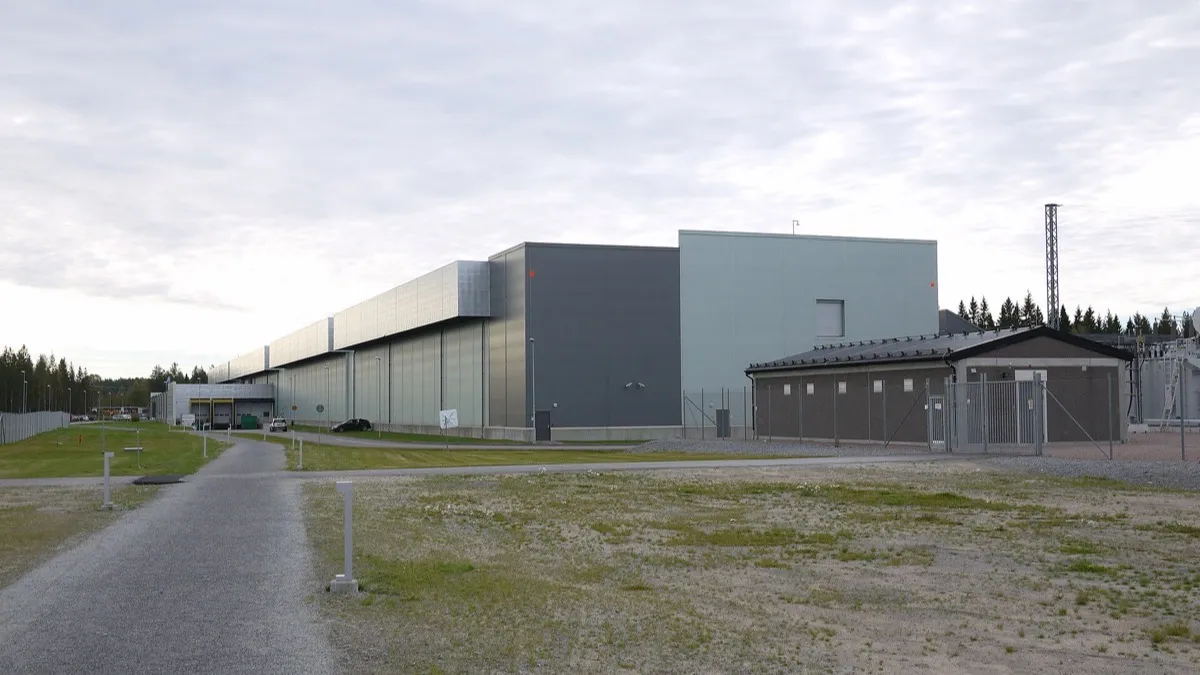
- Cover image: Christopher Down, CC BY 4.0, via Wikimedia Commons
Edited by Rodrigo Cornejo. How we select and verify: who writes these notes.