What happened
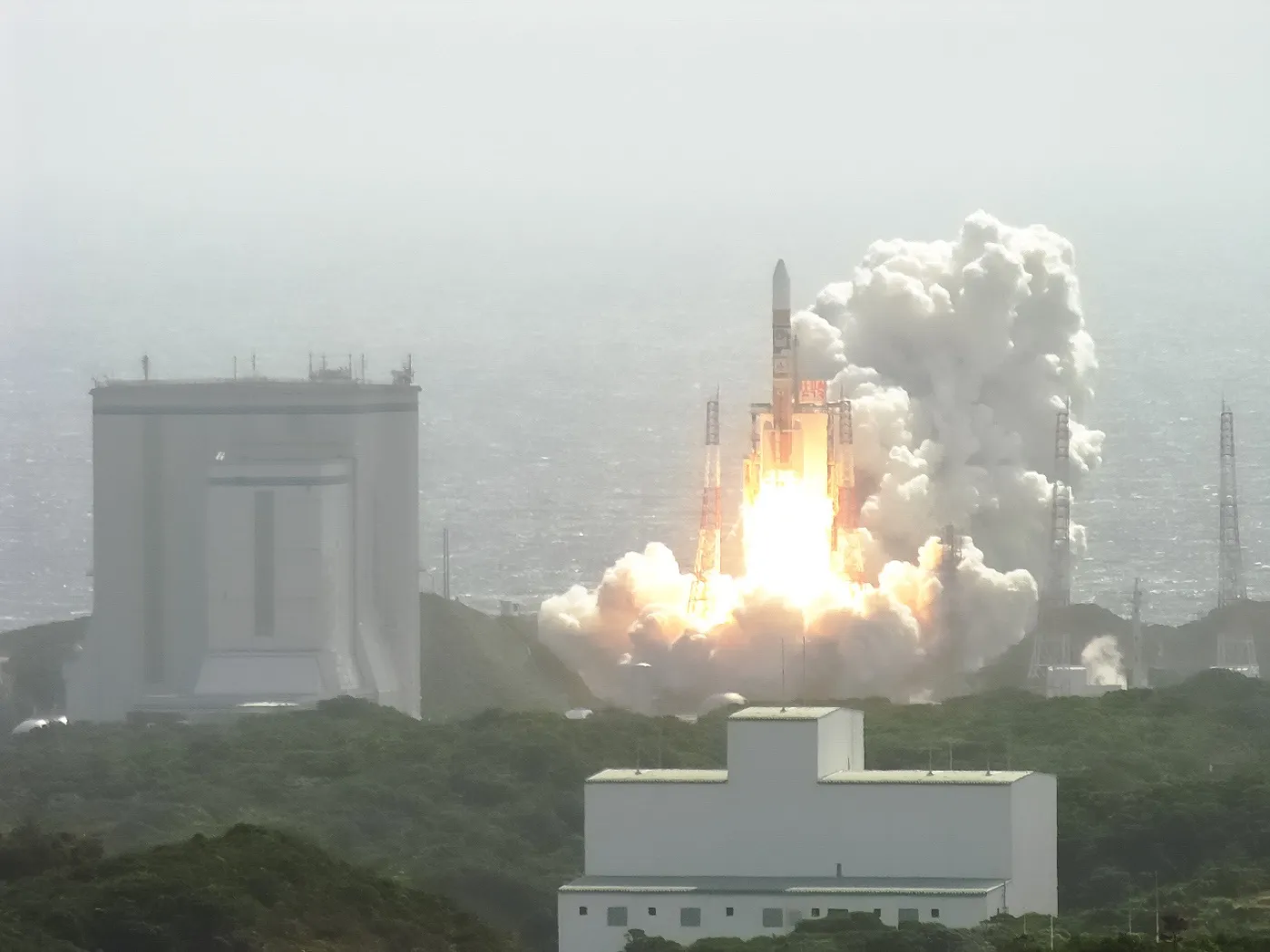
- JAXA launched on October 20, 2026 at 04:41:03 Japan time the H3 rocket flight 10 from the Tanegashima Space Center, with the MMX probe aboard.
- Separation of the probe was confirmed about 71 minutes and 13 seconds after liftoff.
- The mission leader said at the post-launch conference that the probe was stable, per Japanese press.
- According to NASASpaceflight, the trip to Mars takes about 10 months, arriving in August 2027, and the return of the Phobos sample would be in 2031.
Why it matters
- Phobos is a moon with a disputed origin: it may be a captured asteroid or material ejected from Mars. A sample on Earth could settle a question remote instruments do not close.
- For Chile, the Atacama Desert is a Mars analog already used to test instruments and protocols; a sample-return mission renews that demand for field trials.
- The plan depends on a long chain. Arrival is almost a year away, and the return five; each leg can fail or slip.
The number
2031: the year the Phobos sample is expected to reach Earth, per NASASpaceflight’s coverage.
Context
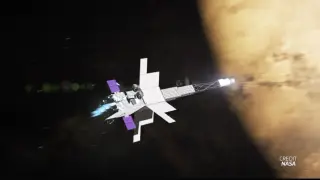
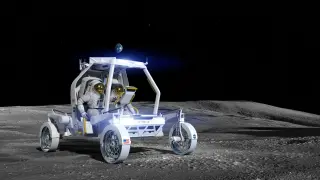
The mission arrives while other space programs fix hardware and contracts for a sustained presence beyond Earth: NASA approved contracts for the SR-1 Freedom nuclear module, which will go to Mars and updated its lunar base rovers. MMX seeks a moon sample; those others, the infrastructure to stay.
What’s next
- Arrival at Mars expected in August 2027, per NASASpaceflight.
- Sample return to Earth expected in 2031.
- No announced timeline for the Phobos landing in the official JAXA document consulted.
Bottom line
Bringing back material from a Martian moon would be, per the coverage, a first round trip to the Mars system. Until 2031 there is a decade of trials, and the sample, if it arrives, will be small.
Sources
- JAXA — Launch Result of the H3 Launch Vehicle No. 10 with MMX — October 20, 2026
- NASASpaceflight — Japanese MMX mission launches to study Martian moons
- Image: Naritama (NARITA Masahiro), CC BY 2.1 jp, via Wikimedia Commons
Edited by Rodrigo Cornejo. How we select and verify: who writes these notes.