What happened
A study published on November 10, 2026 in Nature Neuroscience compares how two areas of the monkey brain represent visual movement and reward. Both contain information of both types, but they organize it in different ways. That difference helps explain why stimulating them changes decisions in different ways.
The researchers studied the middle temporal area, MT, linked to motion perception, and the dorsolateral prefrontal cortex, dlPFC, associated with decisions and reward. The task required combining both sources of information, so it was not enough to recognize a single signal.
Why it matters
Finding information about a task in a brain area does not, by itself, establish what contribution that area makes. If different regions contain similar signals, the representation format may be part of what distinguishes them.
The work proposes to go from asking where data appears to studying how it is organized and what effect intervening in that organization has. The authors combined recordings, a computational model and stimulation of the areas studied. This sequence allows us to contrast predictions about behavior, although its conclusions correspond to the task and the animals examined. It does not demonstrate that all human decisions use exactly the same arrangements or respond in the same way to an intervention.
The number
Two regions, two effects. MT stimulation biased the choices, while dlPFC stimulation produced results described as single-winner selection. The effects do not follow only from the fact that both areas encode movement and reward.
Context
In MT, the signals appeared represented in a separable manner. In dlPFC they were combined into a decision-related format. A recurrent model trained to play those formats predicted distinct effects of stimulation, which were then observed in behavior.
Interpretation focuses on a modular organization capable of reformatting information. It does not imply that each region is an isolated compartment that processes a single class of stimulus.
On related topics, Mamífero has also published the circuit that coordinates gait in flies, memory and balance of mitochondria, autoantibodies and neuropsychiatric symptoms and cellular mechanisms of metabolism.
What’s next
The next challenge is to examine whether the same criterion describes other tasks and regions. The intervention adds evidence about the function of the observed formats, but does not convert a comparison between two areas into a complete map of the brain.
It will also be necessary to separate what depends on the task from what is maintained by changing rewards or sensory cues. Research offers a way to formulate such tests: identify a representation, derive an intervention prediction, and test it. Its scope is in that link between neuronal organization and behavior, without advancing clinical applications or techniques to modify decisions in people.
Bottom line
Two areas can contain similar information and still contribute differently to an election. The study places part of the explanation in the neural format. Its result helps connect representations with intervention effects, within a defined behavioral experiment.
Sources
- Nature Neuroscience, DOI 10.1038/s41593-026-02514-7; verified publication date in the journal, November 10, 2026. Summary and text of the article consulted. The magazine does not indicate publication time.
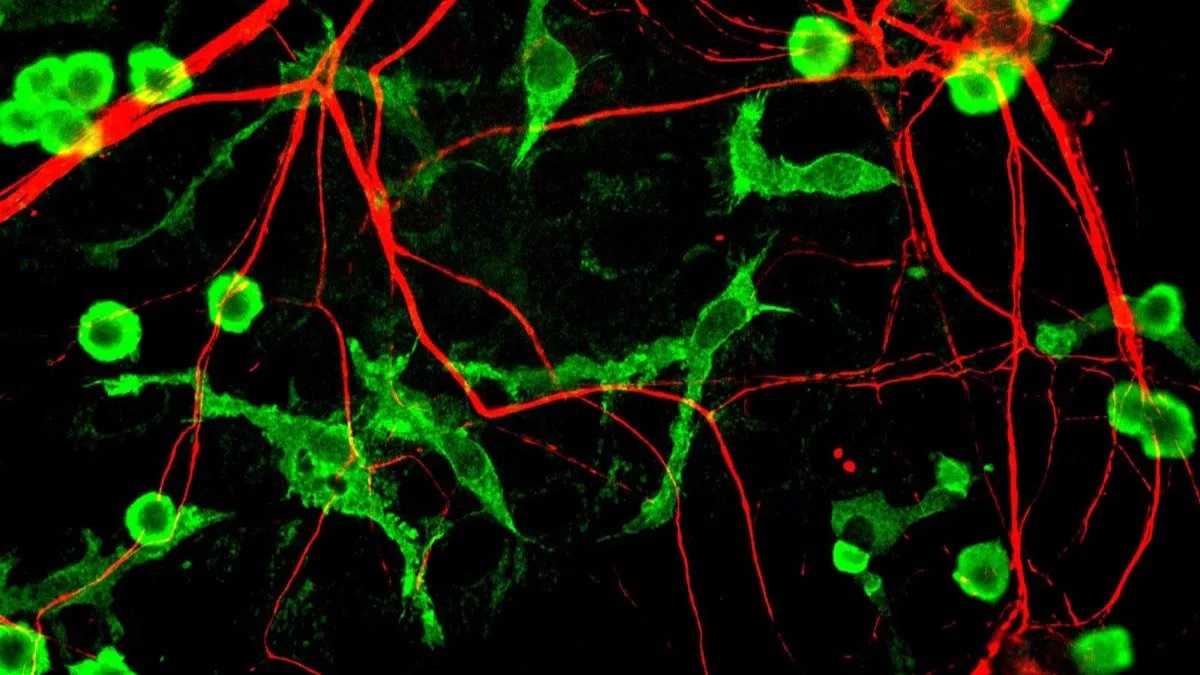
- Cover image: GerryShaw, CC BY-SA 3.0, via Wikimedia Commons. Cropped and resized to 1200 × 675 pixels. Reference photograph; it does not document the announced event.
Edited by Rodrigo Cornejo. How we select and verify: who writes these notes.