What happened
- On October 22, 2026, Eurosurveillance published the first human case of infection with Shamonda virus, in its European variant SHAV-EU1.
- The patient, in France and with a severely weakened immune system, developed fatal encephalitis in September, one month after an allogeneic stem cell transplant.
- Metatranscriptomics detected the virus in cerebrospinal fluid and RT-PCR confirmed it. Biopsies of the central nervous system showed high viral loads.
- According to Nature, the man was in his sixties, had leukaemia and lived in a rural area of the Rhône-Alpes region where the virus had been detected in cows. He died on October 9, 16 days after his first neurological symptoms.
Why it matters
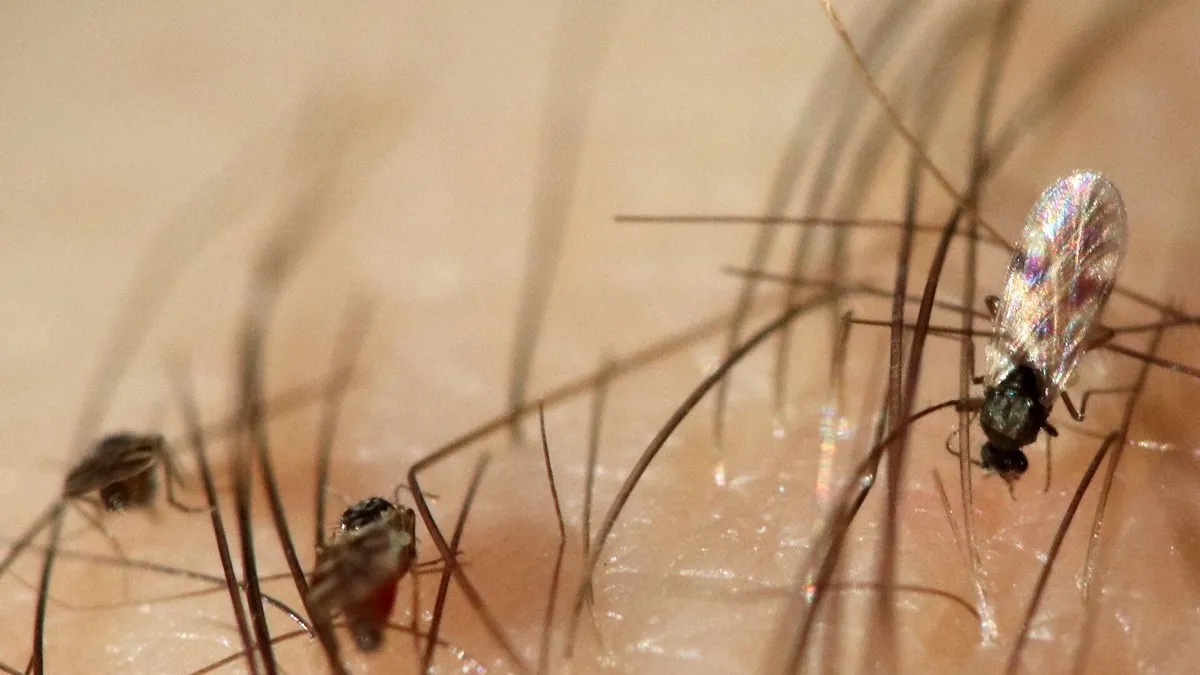
- Shamonda is an orthobunyavirus, a family that infects cows and deer and is spread by mosquitoes and midges. There are no vaccines or antivirals for this family, according to researchers quoted by Nature.
- Investigators found the virus in serum, respiratory samples and stool at least two months before the encephalitis. That suggests that in an immunocompromised person the infection can go unnoticed for weeks.
- Researchers quoted by Nature consider the risk of person-to-person spread low.
The number
2 months. Minimum time the virus was present in blood, airways and stool before the encephalitis began.
Context
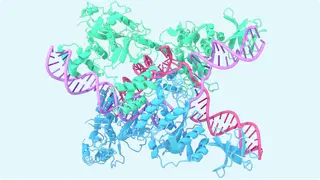
Two new clades, SHAV-EU1 and SHAV-EU2, appeared in Europe in the summer of 2026 and mainly affect cattle. The first was detected in French dairy cows in June and Germany reported a second clade in early October. The case report points to midge bites as the likely route. Contaminated food, a transfusion or the transplant are considered less likely and remain under investigation. Another animal-borne virus, Andes hantavirus, had news in parallel: Nature showed how it enters the cell.
What’s next
- The report authors say the investigation into other routes of infection continues.
- Veterinary surveillance keeps tracking the outbreak in European cattle, active since July.
Bottom line
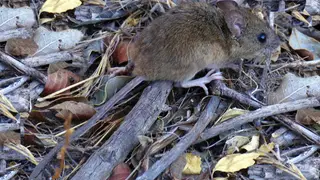
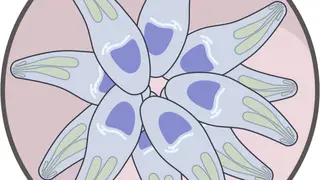
A livestock virus reached a person whose immune system could not stop it. To study how viruses interact with their hosts, AlphaFold added 2,800 viruses to its structure database. In animals, macaques that lived through an outbreak avoid contaminated food more often, and in parasites, the DDP protein decides whether Toxoplasma reproduces.
Sources
- Eurosurveillance — Fatal encephalitis caused by Shamonda virus Europe 1 (SHAV-EU1) in a patient with a severely weakened immune system (October 22, 2026, CC BY 4.0 licence)
- Nature — First human infected with rare livestock pathogen: what we know about Shamonda virus (October 23, 2026)
- Cover image: Dunpharlain, CC BY-SA 4.0, via Wikimedia Commons
Edited by Rodrigo Cornejo. How we select and verify: who writes these notes.