What happened
- Sunrun said its virtual power plant in Puerto Rico doubled participation to more than 60,000 households and that the grid called on those batteries for 18 straight days in October. Electrek published it on 4 November 2026.
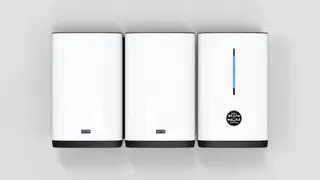
- A virtual power plant connects batteries across thousands of properties and coordinates them to supply power together.
- Sunrun’s network includes nearly 70,000 batteries. It has been dispatched more than 60 times since April, with daily dispatches from 13 October during unusual heat.
- LUMA, the grid operator, calls on the CBES programme, for sharing energy from household batteries, when it expects demand or reserves to exceed available generation.
Why it matters
- It is a Latin American and Caribbean case of installed infrastructure serving a fragile grid, without waiting for a new plant.
- Homeowners get paid for sharing energy and choose how much to keep as backup. According to Sunrun, most share a small portion.
- Puerto Rico shows how far this solution goes and where it falls short, which is useful for other isolated power systems.
The number
36 hours. That is what households on the island averaged without electricity in 2025, even excluding major events, 19% more than in 2024, according to the US Energy Information Administration. On the mainland it is about two hours a year on the same measure.
Context
Sunrun’s network had about 4,000 participants in 2024 and more than 30,000 in 2025. The company says it is the largest aggregator in the CBES programme and that it often delivers 45 megawatts for four hours. Across the programme, LUMA reported in July that more than 90,000 participants provided an average of 75 MW during generation shortfalls.
Residential electricity on the island averaged 26.36 cents per kilowatt-hour in August, compared with a US average of 18.16 cents. And the size of the shortfall still matters: in an April regulatory filing, aggregators acknowledged that the programme could not prevent all rolling blackouts in 2025, because some gaps exceeded its capacity of about 50 MW for four hours.
At Mamífero we have followed the battery business. We reported that Sonnen filed for insolvency in Germany and that a sulphur flow battery retained 98.1% of its capacity. Also that Chery presented a 1.44 MW charger and that some data centers burn gas in jet engines.
What’s next
- Aggregators are seeking to enroll more batteries to cover larger shortfalls.
- The grid’s behaviour during the next hot season will show how far that capacity goes.
- The virtual plant does not replace the generation and lines the island needs.
Bottom line
In Puerto Rico, a battery installed to ride out a blackout ends up helping to avoid the next one. It is real reinforcement, but still small against the size of the problem.
Sources
- Electrek, “Puerto Rico tapped Sunrun’s home batteries for 18 straight days”, 4 November 2026, link. Grid figures are from Sunrun, LUMA and the EIA, as cited by the outlet.
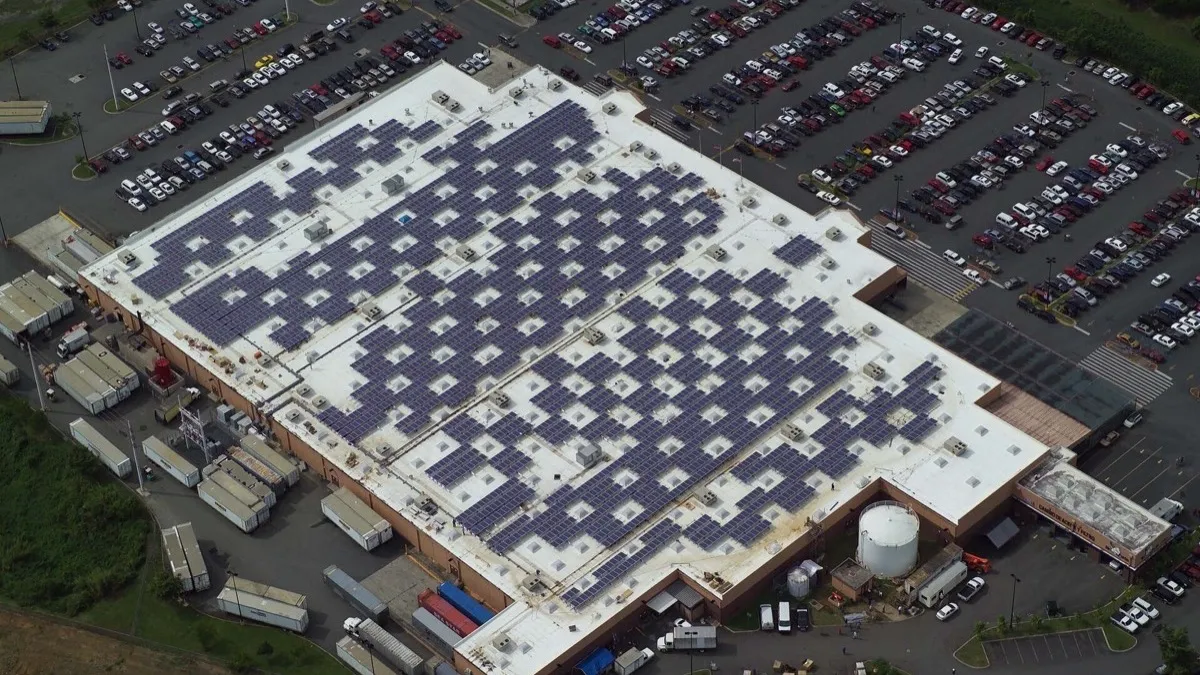
- Cover image: Walmart Corporate, CC BY 2.0, via Wikimedia Commons
Edited by Rodrigo Cornejo. How we select and verify: who writes these notes.