What happened
- Underdog, a startup building models that run on the device itself, presented Woof, a 31.7 MB text-to-speech model. TechCrunch reported it on 6 November 2026.
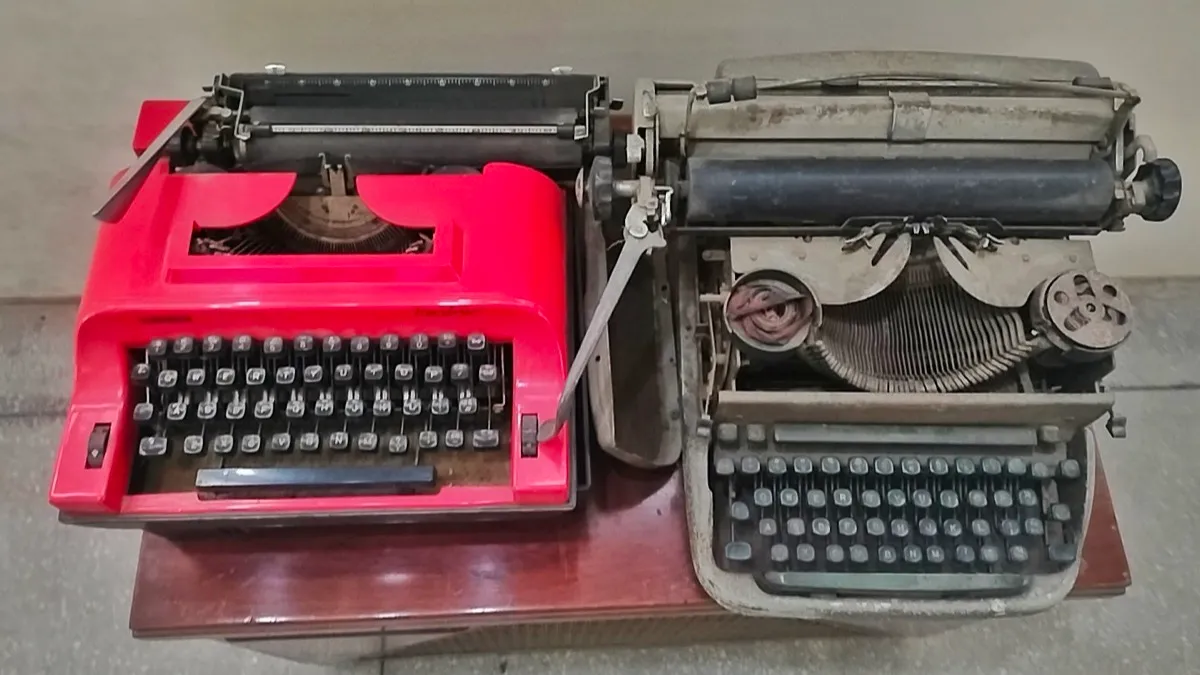
- It showed it with a game set in a retro-styled room, with a typewriter, a CRT monitor and a desk lamp. Whatever the user types on the keyboard is spoken by the model.
- According to the company, the model has 31 million parameters, can run on most devices without an internet connection and is open: anyone can download it.
- The demo comes weeks after Bark, a 167 MB speech-to-text model also designed for devices.
Why it matters
- The race of large models demands a lot of computing power. A parallel line, that of small models, seeks to make AI work on phones and computers without sending data to the cloud.
- A voice model that fits in a browser tab allows local experiences: assistants, text readers or personalized podcasts, with no server in between.
- TechCrunch cautions that so small a model will probably not replace large ones, but it may be enough for those uses.
The number
31.7 MB. That is Woof’s size, so small that the game runs inside the browser. All the voices in the game, according to Underdog, are generated by the model itself.
Context
Sigil Wen, Underdog’s founder, told TechCrunch he started building the app because, instead of using meeting-notes tools such as Granola, he wanted to build his own system with models that run on the device and leave the data in the user’s hands.
“I think we will be able to run most capable models of today on the devices you already own within months,” Wen said. That is the founder’s projection, not a measured result. The company also released a 27-billion-parameter model that runs on laptops and an app on a waitlist, which it presents as a local alternative to Muse and Instinct.
It helps to separate what is demonstrated from what is promised: what can be checked today is the model’s size and its running in the browser. The quality of the voice against other open options is not measured in TechCrunch’s piece.
At Mamífero we have followed voice models and those that fit on a personal device. We reported that Phonon generates speech offline in 75 MB and that Nvidia released Nemotron 3.5 Transcribe as an open model. Also that Recursive released Flint, a coding model that runs on a laptop and that A5 proposes a desktop assistant that remembers your context.
What’s next
- An independent comparison of Woof’s quality against other open voice models is still missing.
- The company’s local app remains on a waitlist.
- If Wen’s projection holds, capable models will stop depending on servers within months.
Bottom line
A 32 MB voice model fits in a browser tab and works without internet. What will decide its usefulness is not the size, but how well it sounds next to the models that live in the cloud.
Sources
- TechCrunch, “Underdog shows off a 32MB speech model in new demo”, 6 November 2026, link.
- Cover image: পাপৰি বৰা, CC BY-SA 4.0, via Wikimedia Commons
Edited by Rodrigo Cornejo. How we select and verify: who writes these notes.