What happened
- Researchers from the National University of Singapore and the Singapore University of Technology and Design published online on 28 October 2026 in Science Advances a closed loop that turns cadmium-bearing waste into anodes for aqueous batteries.
- A three-step electrodeposition process with programmed potentials selectively recovers cadmium from model waste electrolytes and deposits it as a compact electrode with a defined crystal orientation.
- To keep that structure during use, they added caesium iodide to the electrolyte, which regulates how the metal is plated and stripped and reduces corrosion.
- The anode reached an average Coulombic efficiency of 99.98% and stable cycling at high rates. It worked in coin and pouch cells with iodine as the cathode.
Why it matters
- Cadmium is a toxic and unavoidable by-product of zinc processing. Handling it as waste carries environmental and economic costs.
- The method proposes using it as a battery material instead of storing it as hazardous waste.
- When the anodes fail, they can be re-extracted, regenerated and reused, closing the recovery, operation and regeneration loop.
The number
99.98%. That is the average Coulombic efficiency of the recovered cadmium anode, meaning the share of charge returned on each cycle.
Context
Aqueous batteries use water-based electrolytes, safer and cheaper than the organic ones in lithium batteries, and suit stationary storage. Cadmium was common in nickel-cadmium batteries, now restricted because of its toxicity. The work proposes using it in closed systems where the metal is recovered again and again.
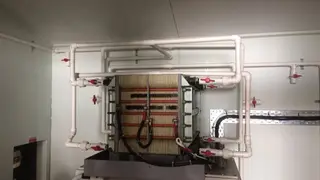
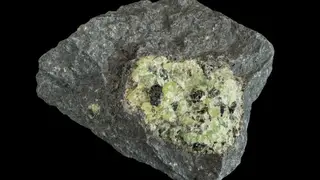
Recycling battery materials and capturing pollutants are topics Mamífero follows: a sulfur flow battery can be recycled and keeps 98.1% of its capacity, a 2-nanometre carbon membrane separates CO2 and ground olivine stores more carbon in soil if microbes have food. In storage, Viridi installed a 3.75 MWh battery inside an apartment building.
What’s next
- The tests used model waste electrolytes. The process still has to be tried on real waste from zinc smelters, which contains other impurities.
- Cadmium’s toxicity requires the batteries to run in sealed systems with traceability of the metal.
- For countries with zinc mining and smelting, the method offers a route to reduce environmental liabilities.
Bottom line
The work changes the question about cadmium: instead of how to store it, it asks how to use it safely again and again. The chemistry works in the lab. Its value will depend on whether it copes with real industrial waste and the rules for handling a toxic metal.
Sources
- Wang, Y., Zhao, N., Song, H. et al., “Engineering a closed-loop electrochemical pathway for cadmium recovery and aqueous battery reutilization”, Science Advances, published online 28 October 2026, DOI 10.1126/sciadv.aek6073. Date and abstract confirmed on Crossref.
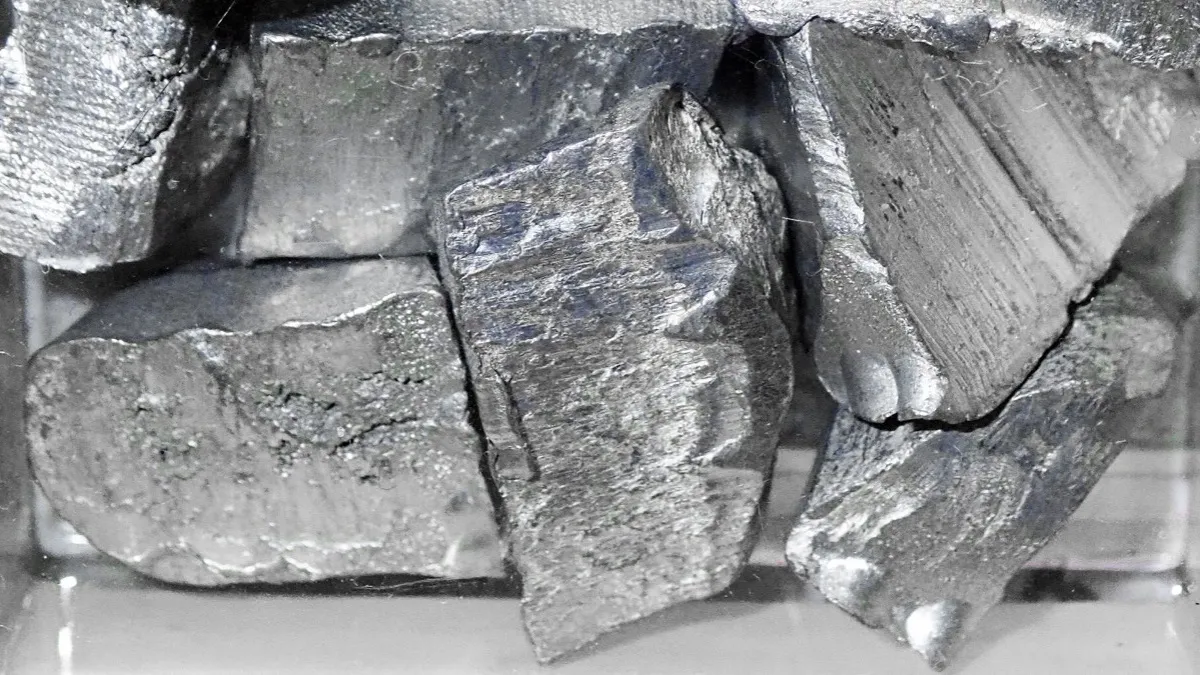
- Cover image: James St. John, CC BY 2.0, via Wikimedia Commons
Edited by Rodrigo Cornejo. How we select and verify: who writes these notes.