What happened
- Flexell Space, a space energy company based in Uiwang, South Korea, announced on October 28, 2026 an agreement with Satoro, a Singapore firm specialized in CubeSats, to demonstrate and validate its next generation of space solar cells in orbit.
- The companies plan two demonstration missions, one in 2027 and another in 2028. Each satellite will lift off on a SpaceX Falcon 9 rocket.
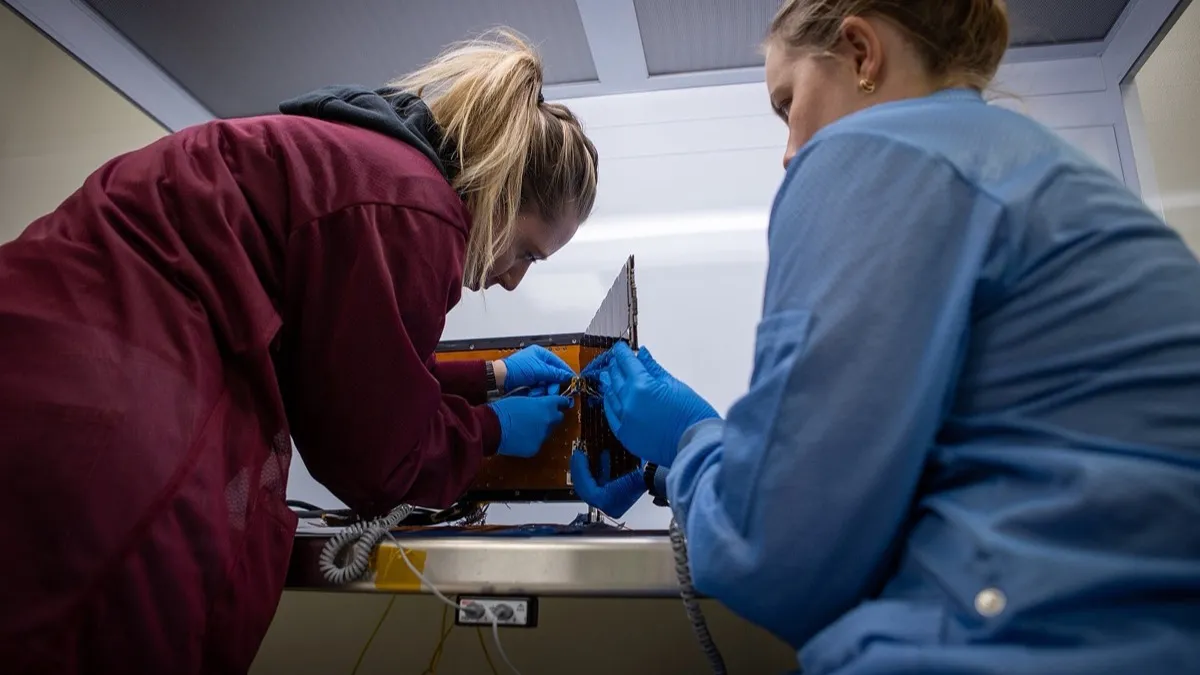
- Satoro will build the satellites under its satellite-as-a-service model, and Flexell Space will supply the solar cells and test modules to be integrated into them.
- The announcement was published as a press release in SpaceNews’ press section.
Why it matters
- A solar cell can work well in a lab and degrade fast in space because of radiation, temperature cycles and vacuum. That is why satellite operators ask for flight data before buying.
- Flexell Space will compare its ground test results with in-orbit operating data and measure the power delivered and how it changes over time.
- With two missions a year apart, the company can fix the design between the first and the second, something the statement names as a goal.
- For the small satellite market, each new flight-proven cell supplier widens operators’ purchasing options.
The number
4 flights. That would be Flexell Space’s total of space demonstrations if both new missions fly: it has already flown twice aboard the Korean KSLV-II rocket, in November 2025 and October 2026.
Context
In-orbit demonstrations, known as IOD and IOV, are the step that separates a promising component from one a satellite maker agrees to integrate. CubeSats serve that purpose because they are cheap and ride as shared payload on larger launches.
Flexell Space has used KSLV-II flights, the rocket developed by South Korea, to build experience. The deal with Satoro gives it access to SpaceX launches, more often and to other orbits.
The statement does not detail the cells’ technology, efficiency or weight per unit of power, figures that will decide their commercial appeal.
What’s next
- The companies will coordinate technical requirements for the CubeSat platforms and demonstration payloads before the first 2027 flight.
- Data from both missions will be used to improve the design and validate the cells’ reliability before sale.
Bottom line
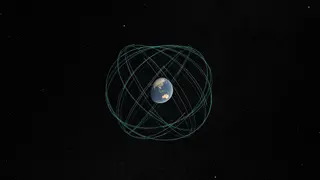
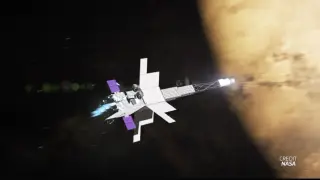
Space infrastructure is adding pieces: Xona raised US$ 250 million for an orbital navigation network and NASA is preparing a quantum gravity sensor in orbit. In power for distant missions, NASA closed contracts for SR-1 Freedom’s nuclear module, and in exploration, Japan launched the MMX probe toward Mars.
Sources
- SpaceNews — Flexell Space and Satoro Agree to Collaborate on In-Orbit Demonstration of Next-Generation Space Solar Cells (October 28, 2026; reproduces Flexell Space’s statement)
- Cover image: NASA’s Scientific Visualization Studio, public domain, via Wikimedia Commons
Edited by Rodrigo Cornejo. How we select and verify: who writes these notes.