What happened
More than 30,000 years ago, people living in Ice Age Europe were more connected than scientists thought, according to a study led by the University of Vienna and published in Science Advances. The researchers analyzed ancient DNA from scarce human remains and from genetic traces preserved in cave sediments. Their results challenge the idea that eastern and western European groups were isolated.
Why it matters
The work focuses on the Gravettian culture, which flourished across the continent between 34,000 and 25,000 years ago. Archaeological finds suggested long-distance contacts, but earlier genetic data pointed to fairly separate eastern and western lineages. By adding new data to what had already been gathered, the team found greater connection and signs that certain southwestern European populations kept their ancestry for thousands of years.
The number
The genome of a woman from Isturitz is the oldest genome-wide genetic dataset from a modern human in southwestern Europe.
Context
The woman lived about 30,000 years ago in what is now southwestern France. Although most of her ancestry was western European, she also carried ancestry linked to people from central and eastern Europe. Genetic models estimate that this mixing occurred between 32,500 and 31,500 years ago. It indicates that genetic connections extended across much of Europe much earlier than had been established. On related topics, Mamífero published A 30,000-year-old genome shows European contacts; Coffee and less dementia after 43 years of follow-up; Siberian Scythian tomb shows ancient cannabis use and Electrical noise reveals electron pairing in a cuprate.
What’s next
The authors hope to add more genomes from that time and other regions. Each individual analyzed adjusts the picture of how populations moved and mixed during the environmental changes of the Ice Age.
Bottom line
The DNA of a single woman changes the image of an entire continent.
Sources
- ScienceDaily, summary of the University of Vienna study published in Science Advances (accessed November 9, 2026).
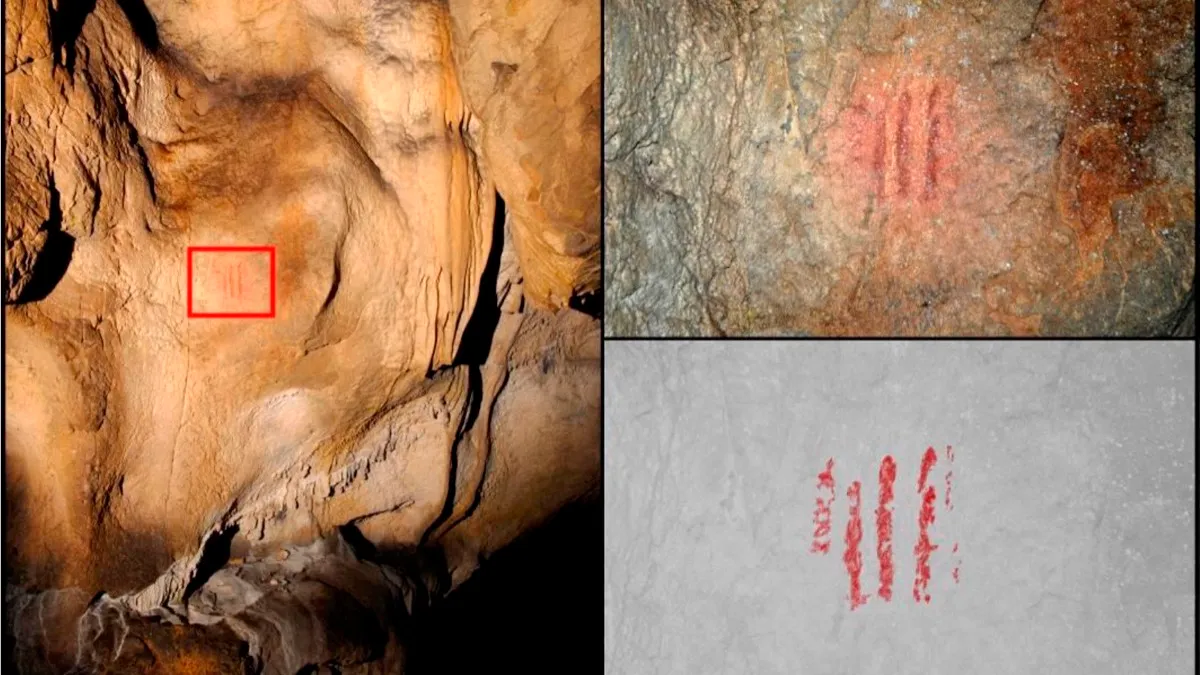
- Cover image: Diego Garate et al, CC BY 4.0, via Wikimedia Commons
Edited by Rodrigo Cornejo. How we select and verify: who writes these notes.