What happened
- NASA’s Neil Gehrels Swift Observatory returned to Earth after nearly 22 years in space, per ScienceDaily on 6 November 2026.
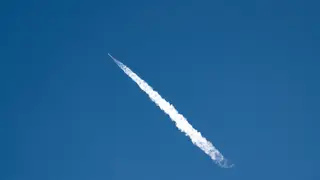
- The spacecraft re-entered the atmosphere on Wednesday 4 November at 7:39 a.m. EST above North Sumatra, Indonesia, as confirmed by the U.S. Space Force.
- The reported location was about 3.4 degrees north latitude and 98.6 east longitude.
- NASA expected most of the craft to burn up on descent, though it acknowledged some components may have survived the heat.
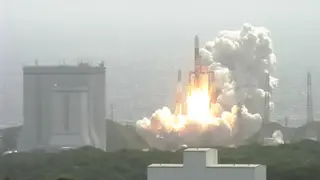
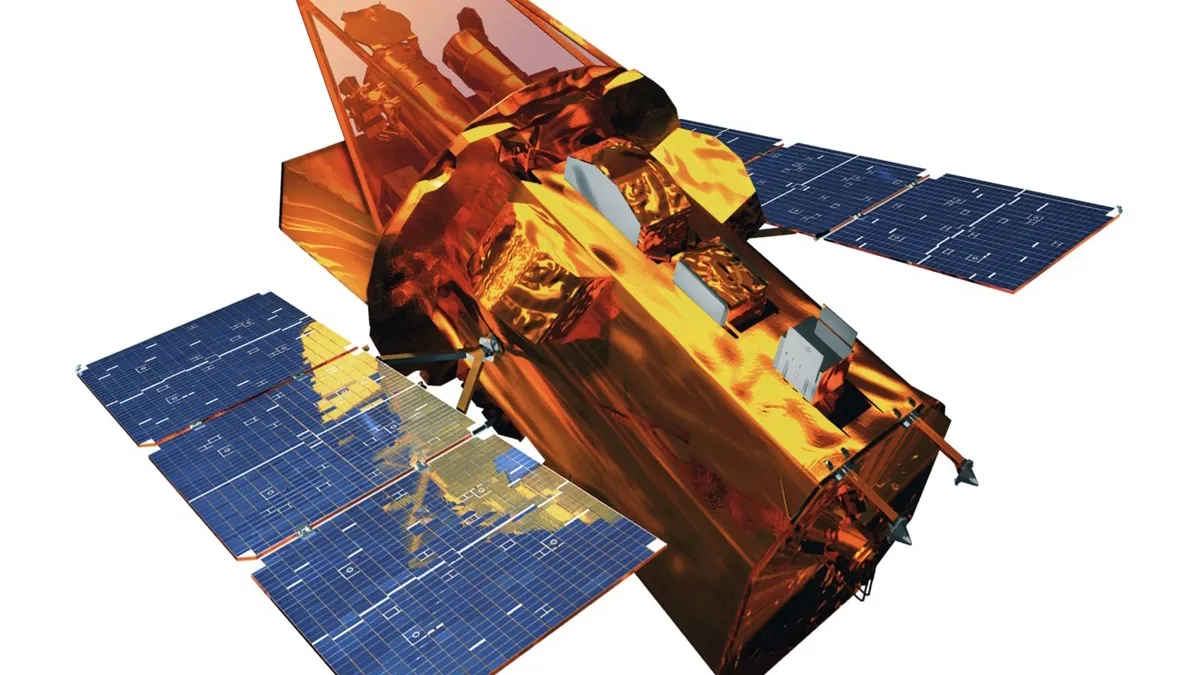
- Swift launched in 2004 to study gamma-ray bursts with three telescopes detecting different types of light.
Why it matters
Swift worked more than ten times its planned duration. It pioneered fast reaction: on detecting a burst it slewed within moments to observe it at other wavelengths, letting astronomers worldwide follow the event as it happened. The re-entry closes an era of watching cosmic explosions, such as collapsing massive stars or merging compact objects, and reopens the question of who will observe them.
The number
22 years versus 2 planned. Swift operated nearly eleven times the span it was conceived for, after its 2004 launch.
Context
A low-orbit satellite slowly loses altitude through drag from the thin atmosphere and falls if nobody boosts it. The text read does not say whether debris was located or where. Surviving fragments usually fall in sparsely populated areas, but that cannot be asserted without official data. Related coverage: Blue Origin tests Northstar, an engine with half the parts that aims to cost a quarter, An Orbital Matter satellite 3D-printed a rigid beam in the vacuum of space, Flexell Space will test its solar cells in orbit aboard Satoro satellites, Japan launches the MMX probe to Mars to bring back samples from the moon Phobos.
An observatory like this works on an alert scheme: gamma-ray instruments detect the burst, compute its position and notify the community, which points other telescopes within minutes. That response chain was one reason for its scientific productivity. Without Swift, astronomers will have to rely on other missions and ground telescope networks to react as fast to these explosions.
What’s next
- NASA or the Space Force may report whether any fragment was recovered.
- Swift’s data archive will remain available for future analysis.
- Other observatories must take over the rapid-response role for bursts.
Bottom line
Swift ended where low satellites end: in the atmosphere. It leaves two decades of data astronomers will analyze long after its fall.
Sources
- ScienceDaily, “NASA’s Swift telescope falls to Earth after nearly 22 years in space”, 6 November 2026, based on a NASA release with U.S. Space Force data. Re-entry occurred on 4 November; NASA’s page was not read.
- Cover image: NASA E/PO, Sonoma State University/Aurore Simonnet, Public domain, via Wikimedia Commons
Edited by Rodrigo Cornejo. How we select and verify: who writes these notes.