What happened
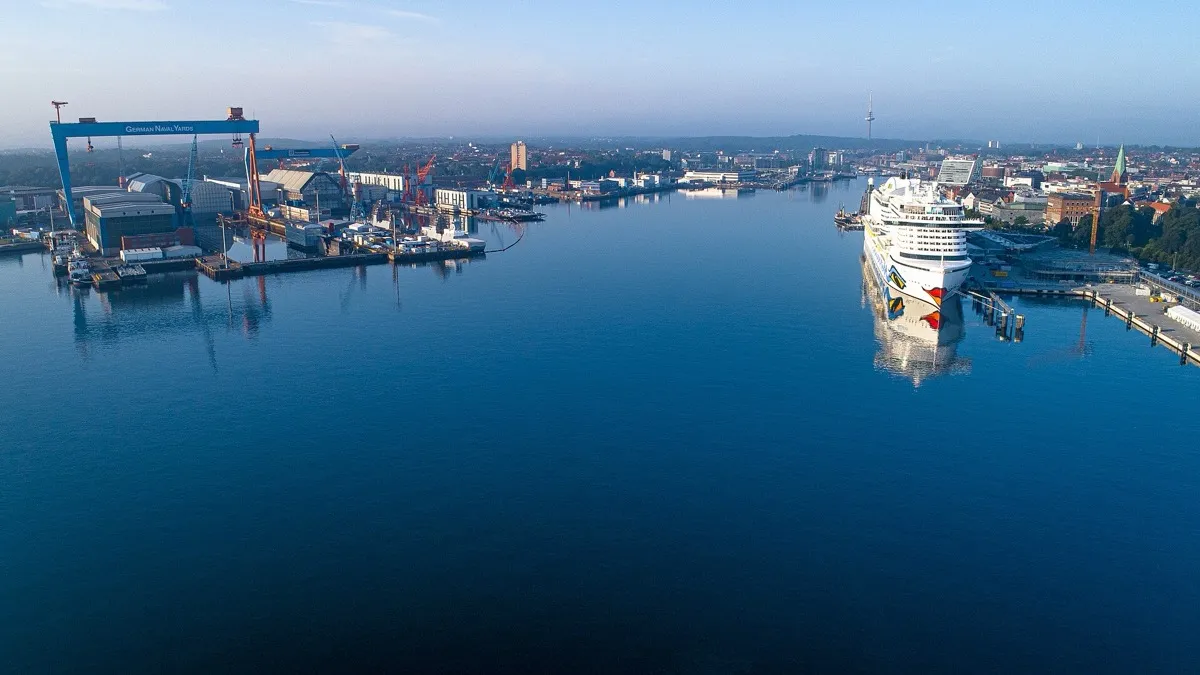
- On October 23, 2026, Communications Earth & Environment published a 15-month study of a coastal area in the southwestern Baltic Sea that swings each year from low-oxygen to oxygen-free water.
- The team, from the GEOMAR ocean research centre in Kiel with Kiel University and the University of Hamburg, combined water-column monitoring, sediment chemistry, metabolic rates, microbial analyses and earlier data.
- During winter oxygenation, organic matter breakdown, fermentation, aerobic respiration and nitrate and iron reduction increased.
- Re-ventilation after anoxia did not reset the sediment chemistry. It triggered stronger oxygen consumption and anaerobic carbon recycling.
Why it matters
- Eutrophication and warming spread oxygen loss along coasts, and the mechanisms that reinforce it from the seafloor were poorly measured.
- Reactive iron oxides, which trap sulfide, ran out. The sulfide zone moved up towards the sediment surface and sulfate reduction and pyrite formation increased through autumn.
- Those processes cut the sediment’s capacity to retain sulfide year after year, a compound toxic to marine life.
The number
15 months. Length of the continuous study that captured the full cycle of oxygenation, anoxia and re-ventilation of the seafloor.
Context
The authors describe a loss of sediment resilience that favours sulfide build-up on eutrophic coasts and raises the chance of sulfide-rich deep water welling up to the surface. The finding challenges the idea that good winter oxygenation is enough for the seafloor to recover. Changes in sensitive ocean systems are also measured at the poles, as with Antarctic sea ice in 2026 and the adjustment to the Thwaites model.
What’s next
- The study suggests cutting nutrient inputs to the coast remains the way to break the cycle.
- Whether the same weakening happens on other coasts with seasonal hypoxia is still to be measured.
Bottom line
The oxygen that returns each winter does not repair the seafloor: it makes it work faster in the wrong direction. In the climate of cold regions, a Baffin ice cap stopped growing because of warmth, and in biodiversity, museum DNA placed the origin of barn owls in the Caribbean.
Sources
- Communications Earth & Environment — Persistent seasonal deoxygenation alters benthic metabolic processes and accelerates hypoxia feedbacks in the Baltic Sea (October 23, 2026)
- Cover image: Ichwarsnur, CC BY-SA 4.0, via Wikimedia Commons
Edited by Rodrigo Cornejo. How we select and verify: who writes these notes.