What happened
- A team of 12 researchers from the Max Planck Institute of Psychiatry and other German institutions published on 3 November 2026 in PNAS a study on epigenetic ageing during the COVID-19 pandemic.
- They used longitudinal data from 1,028 people: 359 children (mean age 9.5), 385 adolescents (15.5) and 284 adults (24.3).
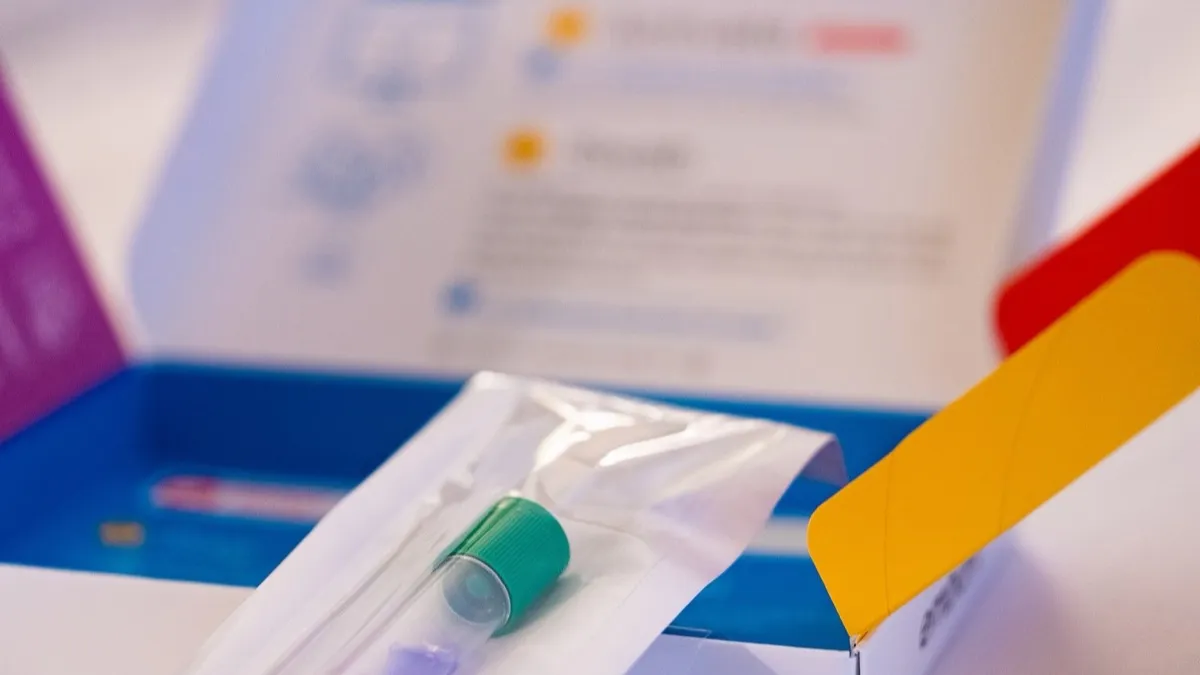
- They took saliva samples before the first phase of containment measures in Germany, in March 2020, and after the second phase, in 2021.
- Using four epigenetic clocks (DunedinPACE, GrimAge2, Horvath and PedBE), they observed significant increases in epigenetic age acceleration and in the pace of ageing across all age groups.
Why it matters
- Psychosocial stress is a risk factor for ageing-related diseases, and epigenetic clocks are used as early markers of that risk.
- Few studies have samples from before the pandemic, which makes it possible to compare the same people before and after.
- The changes were associated with pre-pandemic physical health and parental socioeconomic status, not with objective pandemic stressors.
The number
1,028. That is the number of children, adolescents and young adults whose saliva samples were analysed before and after the lockdowns.
Context
Epigenetic clocks estimate biological age from chemical marks on DNA, particularly methylation. When a clock shows an age higher than chronological age, this is called acceleration. DunedinPACE instead estimates the pace at which a person is ageing. In the study, acceleration measured with PedBE, a clock designed for children, and with GrimAge2, as well as the pace measured by DunedinPACE, rose between the two samples.
In adolescents, higher perceived pandemic burden was associated with a larger increase in the pace of ageing. The authors conclude that prior risk factors for poorer physical and mental health are accompanied by measurable increases in epigenetic ageing during the pandemic, and that adolescence is a sensitive phase for its psychosocial burden.
At Mamífero we follow health after the pandemic and the factors that shape it. We reported that vaccination did not change smell or taste after COVID and that a study in Sydney found a circadian subtype of depression. Also that Qom communities in Argentina lost 35 minutes of sleep in a decade and that more cells with two X chromosomes soften Turner syndrome in the brain.
What’s next
- It remains to be seen whether these changes persist, reverse or translate into disease in the years ahead.
- The authors flag adolescence as a stage to watch in future crises with a heavy psychosocial burden.
- Epigenetic clocks are still being evaluated as markers; changes in them are not a diagnosis.
Bottom line
The pandemic left a measurable mark on the DNA of children, adolescents and young adults in Germany. It weighed more on those who already started with poorer health or fewer resources, and on adolescents who experienced it as a heavier burden.
Sources
- Schowe, A., Ruks, M., Disselkamp, C. et al., “Epigenetic aging during the COVID-19 pandemic: A prospective longitudinal study with prepandemic baseline data in children, adolescents, and adults”, PNAS, 3 November 2026, DOI 10.1073/pnas.2604211123. This note is based on the paper’s abstract.
- Cover image: Tony Webster from Minneapolis, Minnesota, United States, CC BY 2.0, via Wikimedia Commons
Edited by Rodrigo Cornejo. How we select and verify: who writes these notes.