What happened
NASA gave new details of its accelerated plan to return astronauts to the Moon in 2028. Administrator Jared Isaacman and other leaders explained it at a briefing on October 23. The scheme rests on two missions: Artemis III, a test flight scheduled for 2027, and Artemis IV, which seeks the landing in 2028. It also includes testing two competing landers, simplifying rocket preparation and debuting a lighter spacesuit.
Why it matters
The plan reduces risk and moves the schedule forward. Isaacman said the organization is working with extreme focus to deliver results quickly, safely and affordably, and that it does so while strategic competitors seek a permanent presence beyond Earth. For NASA, the Moon is now a matter of schedule and rivalry.
The number
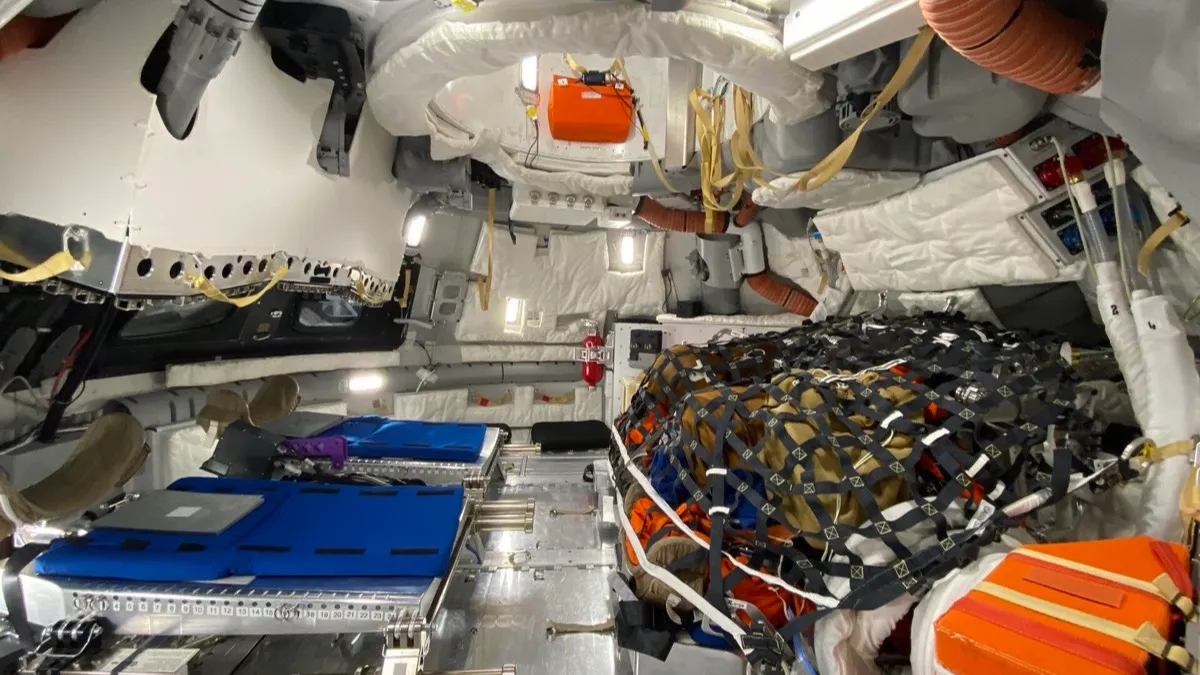
Artemis III will last 14 days and carry four astronauts in the Orion capsule, launched by the SLS rocket.
Context
Before attempting another crewed landing, NASA will run a rehearsal in Earth orbit. Orion will practice rendezvous and docking with test vehicles of the SpaceX and Blue Origin landers. Rendezvous means guiding two spacecraft to meet in orbit; docking connects them so astronauts can move from one to the other. First Blue Origin will launch a test version of its Blue Moon lander into Earth orbit; then Orion will go up with its four astronauts and dock with that vehicle. After that SpaceX will launch a test version of its lander. These tests must confirm key capabilities before Artemis IV takes astronauts to the surface. On related topics, Mamífero published Blue Origin tests Northstar, engine at a quarter of the cost; Orbital Matter 3D-prints a rigid beam in orbit; Flexell Space to test solar cells in orbit with Satoro and Xona raises US$250 million for orbital navigation.
What’s next
The 2028 date will depend on the test landers and the rocket being ready on time, something NASA presents as a goal and not as a fact.
Bottom line
The strategy bets on a demanding rehearsal to reach the Moon without surprises.
Sources
- ScienceDaily, summary of the NASA statement on the October 23 briefing (accessed November 9, 2026).
- Cover image: Jessica Meir, Public domain, via Wikimedia Commons
Edited by Rodrigo Cornejo. How we select and verify: who writes these notes.