What happened
The US Department of the Air Force published, dated November 2, a request for information on a federal procurement site. In it, it expresses interest in a “proliferated cislunar constellation,” made up of an unspecified number of satellites with an undisclosed mission, near the Moon. The initial step points toward a “Cislunar Space System.”
Why it matters
Today the Space Force’s most distant satellites are in geostationary orbit, about 36,000 kilometers above the equator, gathering surveillance and missile warnings. Reaching the Moon would change the scale. The interest follows statements from Maj. Gen. Stephen Purdy, the Space Force’s head of advanced acquisitions, who said the Pentagon is getting serious about extending its reach there. Purdy cited an executive order from President Donald Trump last December, which includes detecting and countering threats to US space interests out to cislunar space.
The number
Today’s military satellites reach about 36,000 kilometers; the Moon is much farther away.
Context
Officials have said the military’s role at the Moon is to protect US interests as the United States and China speed up their lunar programs, with robotic missions and crewed landings in the coming years. Some foresee competition for land and resources, because there are few safe landing zones with access to the water ice at the south pole. Purdy called cislunar space a warfighting domain. Gen. Chance Saltzman, head of the Space Force until August, said they have a role but are not the lead, and that they do not want to be caught flat-footed by the need to protect US interests. On related topics, Mamífero published Orbital Matter 3D-prints a rigid beam in orbit; NASA asks how to extend Hubble’s life; NASA’s Swift telescope falls to Earth after 22 years and Pentagon offers 6K US$ 250 million for a factory.
What’s next
A request for information is only a query to companies; it is not a contract or an approved program. What follows is seeing how many responses arrive and whether the project moves to a design phase.
Bottom line
The news shows where defense is looking, though there are still no satellites or budget.
Sources
- Ars Technica, report on the Air Force request for information (accessed November 9, 2026).
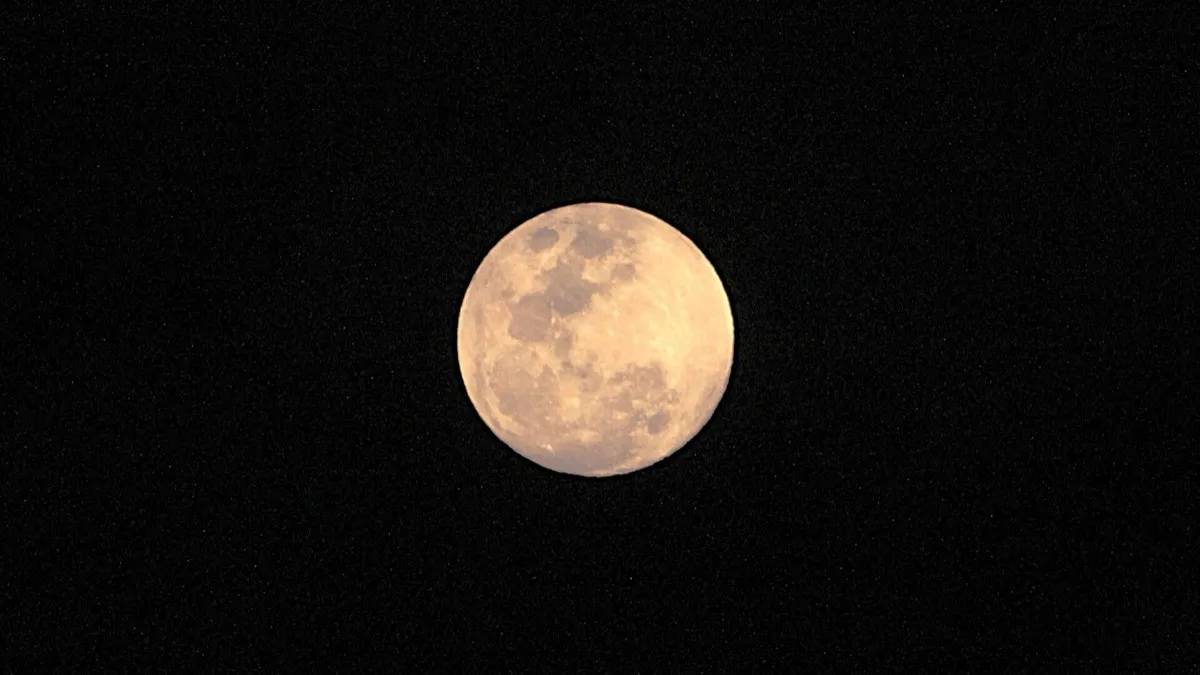
- Cover image: Ksheera Piraati, CC BY 4.0, via Wikimedia Commons
Edited by Rodrigo Cornejo. How we select and verify: who writes these notes.