What happened
- NASA is investigating whether private companies could help extend the life of the Hubble Space Telescope, which has spent more than 35 years transforming our understanding of the universe.
- On 29 October 2026 it issued a request for information about commercial technologies that could service Hubble while it remains in orbit.
- The goal is to determine whether new spacecraft capabilities could keep it operating longer, improve its performance or bring its mission to a safe conclusion.
- One possibility is sending a spacecraft to push Hubble into a higher orbit, to counteract the gradual altitude loss that threatens its future.
- Administrator Jared Isaacman said Hubble still has important science ahead and every reasonable opportunity should be examined.
- ScienceDaily circulated the announcement on 4 November 2026.
Why it matters
A telescope in low orbit loses altitude to drag from the thin atmosphere and, without a boost, eventually falls. Extending its life with a commercial service would cost less than building a replacement and give more years of observations to a community that depends on Hubble. Isaacman said that if there are innovative, low-cost ways to extend an asset already in orbit, they should be explored. A contract like this would also be a test case for commercial in-orbit servicing.
The number
29 October. The date of the request for information; it is not a contract or an approved mission, only a market inquiry.
Context
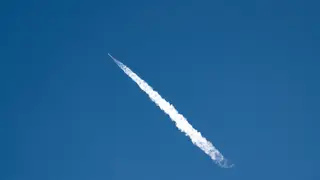
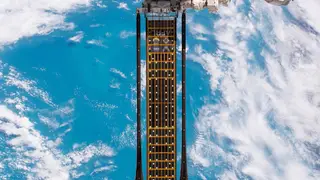
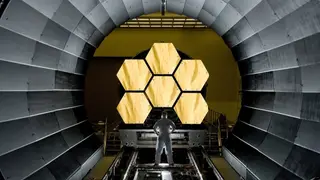
A request for information is the earliest stage of a process: it finds out which capabilities exist and at what price before deciding on a tender. That NASA also considers a safe end of mission shows no decision has been made on extending or retiring. The text read gives no response deadlines or cost estimates and does not detail risks such as bringing a spacecraft near a fragile telescope. Related coverage: Blue Origin tests Northstar, an engine with half the parts that aims to cost a quarter, An Orbital Matter satellite 3D-printed a rigid beam in the vacuum of space, Flexell Space will test its solar cells in orbit aboard Satoro satellites, A physical model of the Webb telescope multiplies its sensitivity up to 15 times.
What’s next
- Interested companies will answer within the deadlines NASA sets.
- NASA will weigh technical risks and costs before deciding on a tender.
- The decision will set whether Hubble gets a boost or a planned retirement.
Bottom line
Stretching the life of a 35-year-old telescope is a bet on what is already built. NASA has started by asking whether anyone knows how.
Sources
- ScienceDaily, “NASA is racing against time to save the Hubble Space Telescope”, 4 November 2026, on a request for information NASA issued on 29 October. Dated before the batch window because it is a little-publicized procedure; NASA’s document was not read.
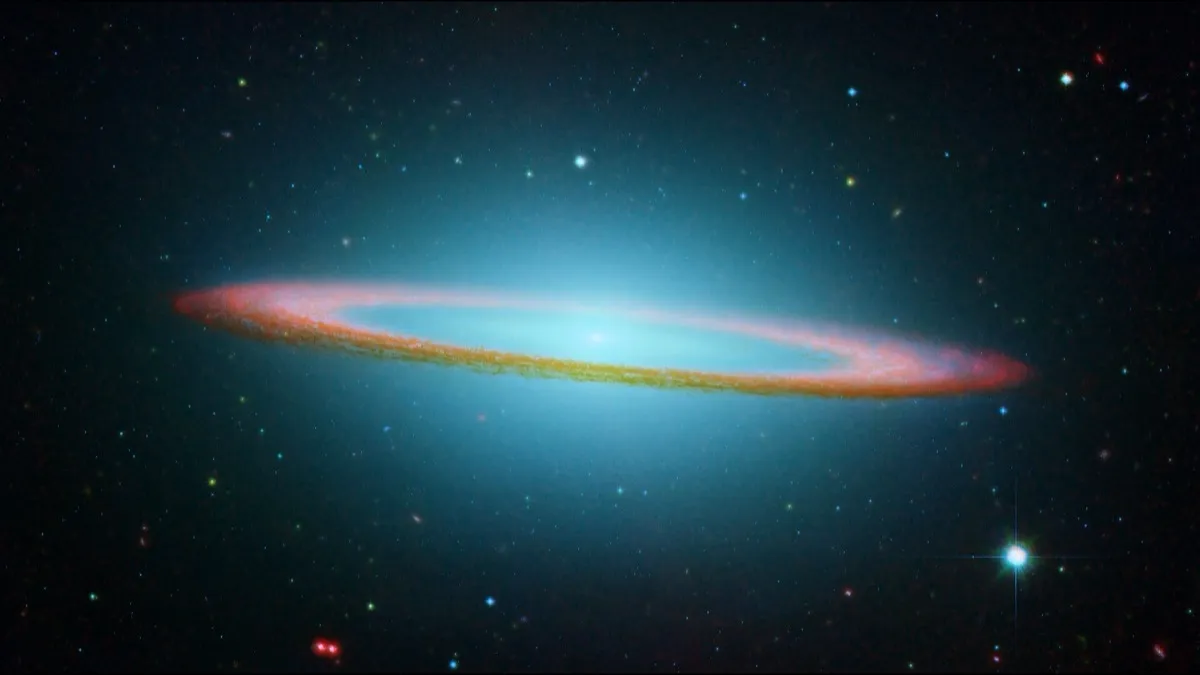
- Cover image: NASA/JPL-Caltech and The Hubble Heritage Team (STScI/AURA), Public domain, via Wikimedia Commons
Edited by Rodrigo Cornejo. How we select and verify: who writes these notes.