What happened
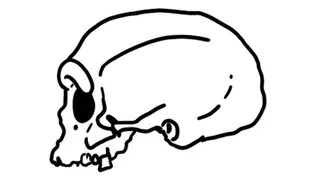
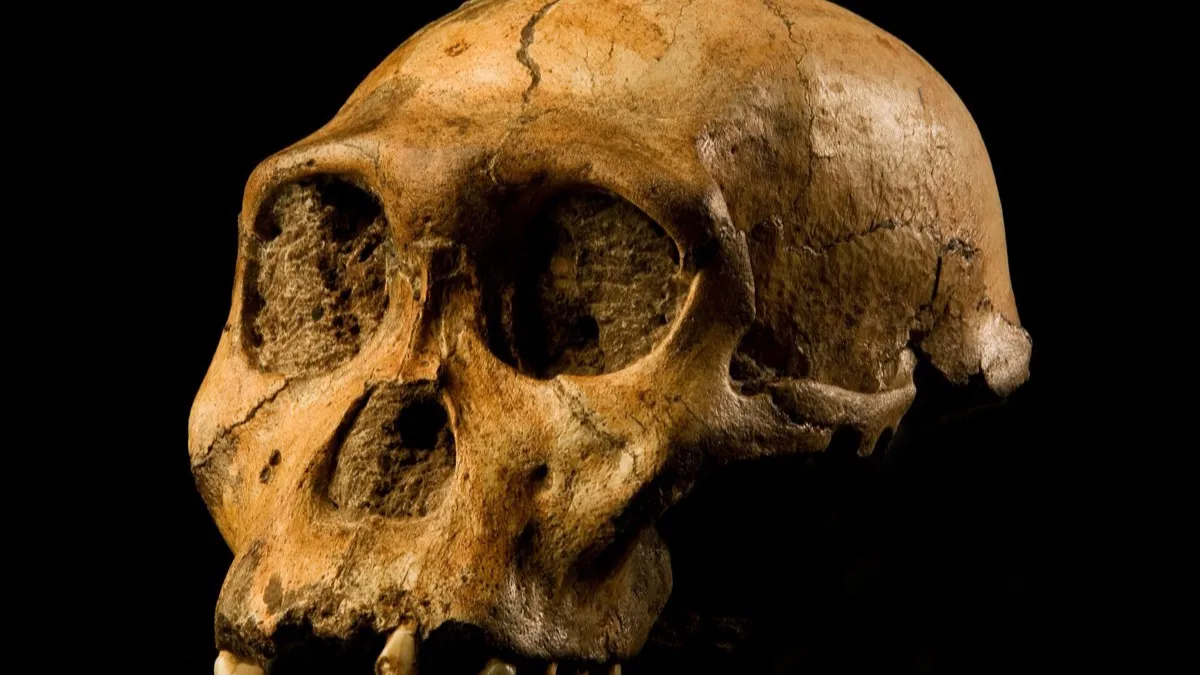
The Taung Child, found in South Africa in 1924, is the type specimen of Australopithecus africanus and was the first concrete proof of human origins in Africa. A study published in npj Palaeoecosystems now dates it to between 2.96 and 3.03 million years old. It is led by Professor Gabriele Macho of the Vrije Universiteit Brussel with an international team.
Why it matters
Analysis of tooth structure and of brain and tooth development shows that several adult fossils grouped as A. africanus do not match the Taung Child’s trajectory. Differences in brain development suggest that several hominin species lived in the Sterkfontein region, at the same time or one after another. Macho said the human tree was not a tidy trunk but a chaotic, tangled bush driven by climate change.
The number
For a hundred years the Taung Child was assumed to be one among many similar fossils; today it remains the only fossil definitively linked to its species.
Context
Because no definitive criteria were ever set to classify later finds, that link was left without support. The team attributes the variations to cycles of wet and dry periods that changed the southern African landscape. Hominins followed habitats that expanded and contracted; isolated populations split, interbred and adapted to new pathogens and predators. Fossil pollen indicates that the Child lived in a wetter, more wooded environment than today’s, with tree species that now grow hundreds of kilometers to the northeast. On related topics, Mamífero published With no stone to knap, humans avoided the Rub’ al Khali; Xujiayao fossils are Denisovan, proteins show; Shopping agents copy human buyers’ shortcuts and AI tutoring matches human tutoring on GRE prep.
What’s next
The authors call for revisiting how fossils in the region are classified. The result challenges linear models of evolution and favors one of populations that meet and mix.
Bottom line
A hundred years later, the fossil that opened the discussion keeps changing how it is told.
Sources
- Phys.org, summary of the Vrije Universiteit Brussel study published in npj Palaeoecosystems (accessed November 9, 2026).
- Cover image: Photo by Brett Eloff. Courtesy Profberger and Wits University who rele, CC BY-SA 4.0, via Wikimedia Commons
Edited by Rodrigo Cornejo. How we select and verify: who writes these notes.