What happened
- A team of 11 researchers from the Institut de Physique du Globe de Paris and other institutions published on 3 November 2026 in PNAS a study of the magnetite made by magnetotactic bacteria.
- These bacteria produce nanoparticles of magnetite, a magnetic iron oxide, inside their cells under genetic control.
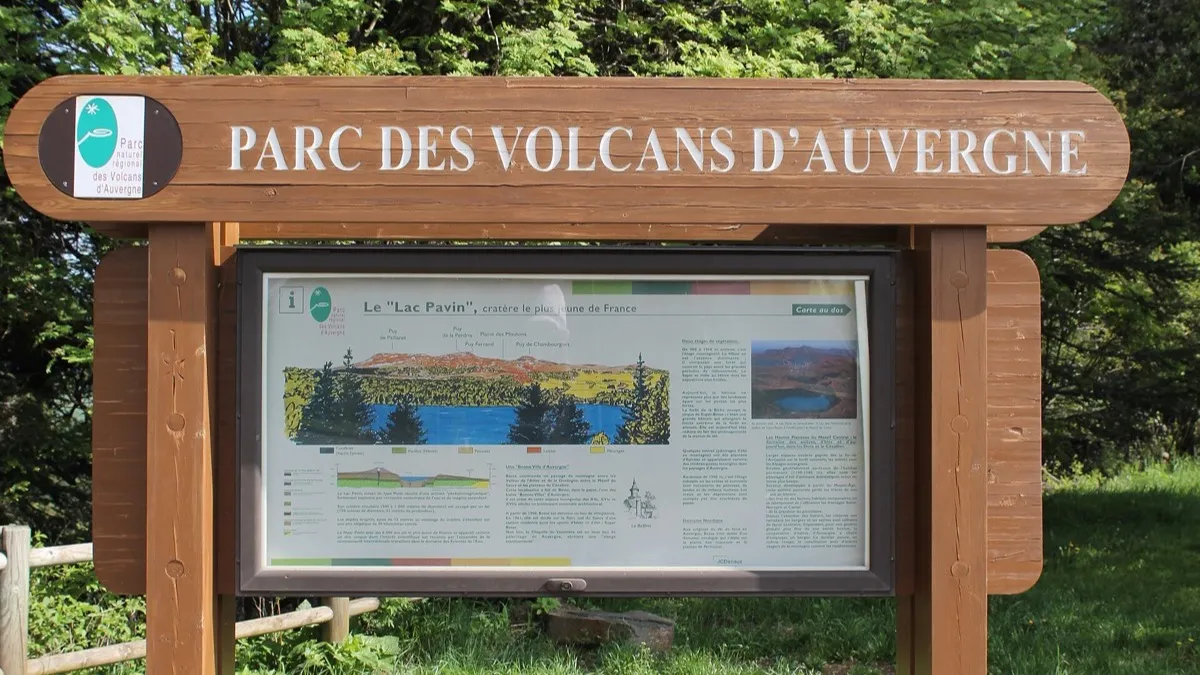
- The authors collected natural populations of these bacteria from the water column of Lake Pavin in France and measured the trace elements and iron isotopes of their magnetite.
- They found that the distinctive geochemical traits, already seen in laboratory cultures, are preserved in natural populations: enrichment in molybdenum, selenium, tin and light iron isotopes.
Why it matters
- Magnetotactic bacteria may be among the first organisms on Earth to make minerals, and their remains are a window into ancient life and the environments it lived in.
- Identifying those remains in ancient rocks is hard, because reliable and lasting indicators are lacking.
- Until now the chemical traces were only known from single-strain cultures. This work shows they also appear in mixed populations in the environment.
The number
4. That is the number of chemical traits that set bacterial magnetite apart in Lake Pavin: more molybdenum, more selenium, more tin and lighter iron isotopes.
Context
Earlier studies with laboratory cultures had found patterns of trace elements and iron isotopes that no other source of magnetite shares. That made them candidate biological signatures, but it was unclear whether they held in nature, where many species coexist and conditions vary.
Lake Pavin made it possible to answer that question with bacteria collected straight from the water. The authors propose looking for these signatures in ancient rocks and combining them with magnetic and mineralogical indicators to support the presence of magnetotactic bacteria and reconstruct when they arose and how they evolved.
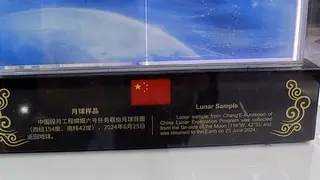
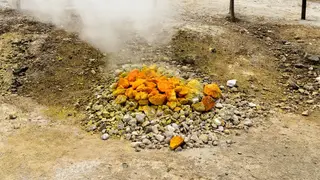
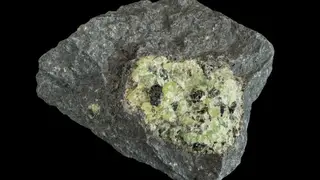
At Mamífero we follow the geochemistry that lets us read the past. We reported that Chang’e-6 suggests KREEP is more widespread on the far side of the Moon and that air isotopes in Pozzuoli reveal the CO₂ from the volcano beneath the city. Also that Webb measured methane on 3I/ATLAS with 13 times more deuterium and that ground olivine stores more carbon in soil when microbes have food.
What’s next
- The signatures can be sought in ancient magnetite-bearing rocks to detect traces of these bacteria.
- Combining chemistry, magnetism and crystal shape would strengthen identification.
- Measuring other lakes and sediments would show how general the pattern is.
Bottom line
A bacterium that makes magnets leaves a chemical signature in them that survives outside the laboratory. If that signature also withstands geological time, it will help date one of the oldest forms of life.
Sources
- Busigny, V., Praharaj, A., Amor, M. et al., “Geochemical signatures of magnetite are conserved in diverse populations of environmental magnetotactic bacteria”, PNAS, 3 November 2026, DOI 10.1073/pnas.2621335123. This note is based on the paper’s abstract.
- Cover image: Jsamwrites, CC BY-SA 4.0, via Wikimedia Commons
Edited by Rodrigo Cornejo. How we select and verify: who writes these notes.