What happened
- A California judge deemed Tesla liable for fraud in a Solar Roof lawsuit after the company repeatedly failed to hand over requested evidence.
- Tesla had already admitted breach of contract, breach of warranty and negligence on the job.
- The case is Conroy v. Tesla, filed in 2022 in San Diego Superior Court’s North County division (case 37-2022-00043670).
- Ambrose Conroy, of Rancho Santa Fe, signed in March 2020 an $82,210 contract for a 13.1 kW system.
- After two amendments, by February 2021 it had grown to about $110,000 for an 18.2 kW roof and six Powerwalls.
- Electrek published the analysis on 7 November 2026 after reviewing the court orders, the complaint and the joint trial readiness report.
Why it matters
An integrated solar roof replaces the shingles, so a failed job leaves a structural problem on top of the electrical one. According to the owner the roof never passed county inspection nor produced a kWh, and fixing the damage will cost “well over $2.5 million”. Tesla reportedly offered him $5,000. The fraud finding, which Electrek ties to the failure to hand over evidence, strengthens the plaintiff’s hand on damages.
The number
$5,000 versus over $2.5 million. The gap between the offer the plaintiff says Tesla made and the repair cost he estimates.
Context
In last month’s joint report Tesla stipulated to liability for breach, warranty and negligence, so what is left to settle is the size of damages. The text read lacks Tesla’s response to the fraud finding, whether it will appeal, or a trial date. Related coverage: Puerto Rico used Sunrun’s home batteries for 18 straight days to support its grid, The electrolyte decides how long a lithium battery lasts, laboratory cells show, A green perovskite LED lasts 1,350 hours at 1,000 nits, a key threshold for displays, The Pentagon offers 6K a US$ 250 million loan for a battery materials factory.
A fraud liability ruling imposed as a sanction for not producing evidence is not the same as a verdict after a full trial. It closes the question of who is at fault and leaves open how much must be paid. According to Electrek, the parties’ own joint report already admitted breaches, so the ruling weighs mostly on the amount of damages, where the gap between what was offered and what is claimed is very wide.
What’s next
- A damages hearing must set the figure Tesla will owe.
- Tesla could appeal the fraud liability finding.
- Other owners with unfinished Solar Roofs may use the ruling as a reference.
Bottom line
A solar roof promises a lower power bill. When the job is not finished, the homeowner pays the bill, and this time the court recognized it.
Sources
- Electrek, “Tesla deemed liable for fraud after Solar Roof ‘experiment’ on a home”, 7 November 2026, based on court orders, the complaint and the joint report, per the outlet. The court documents were not read directly.
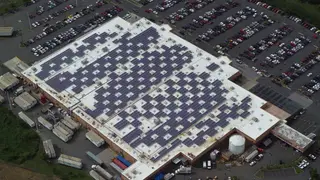
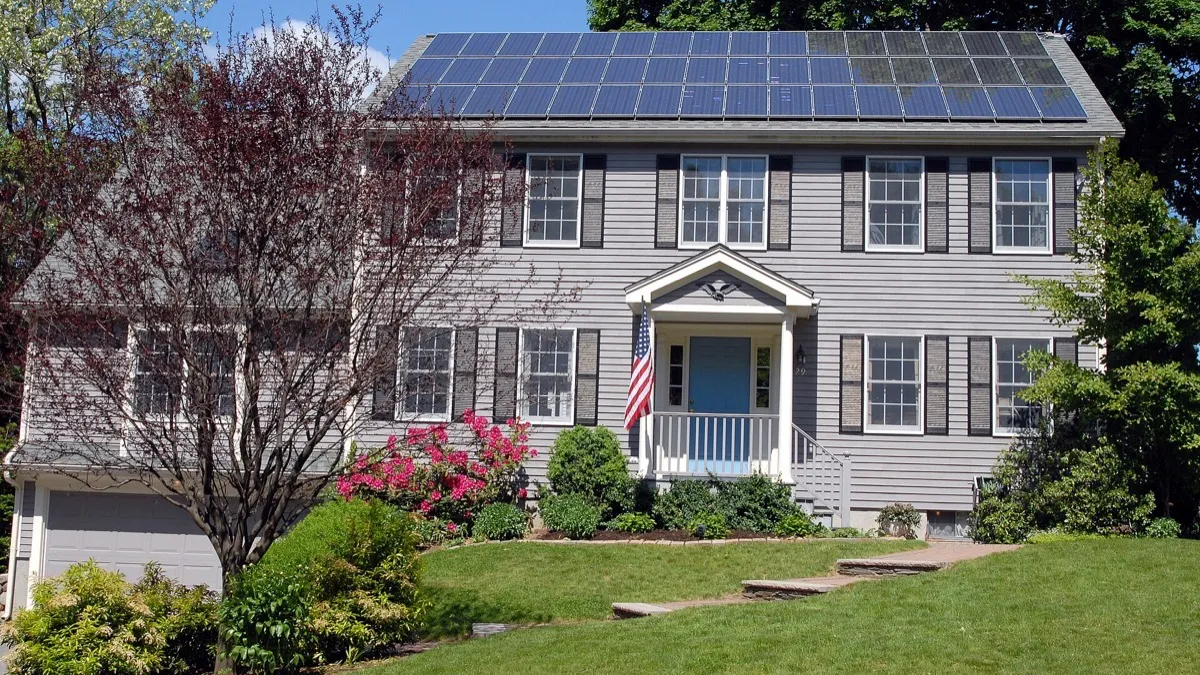
- Cover image: Gray Watson User:E090, CC BY-SA 3.0, via Wikimedia Commons
Edited by Rodrigo Cornejo. How we select and verify: who writes these notes.