What happened
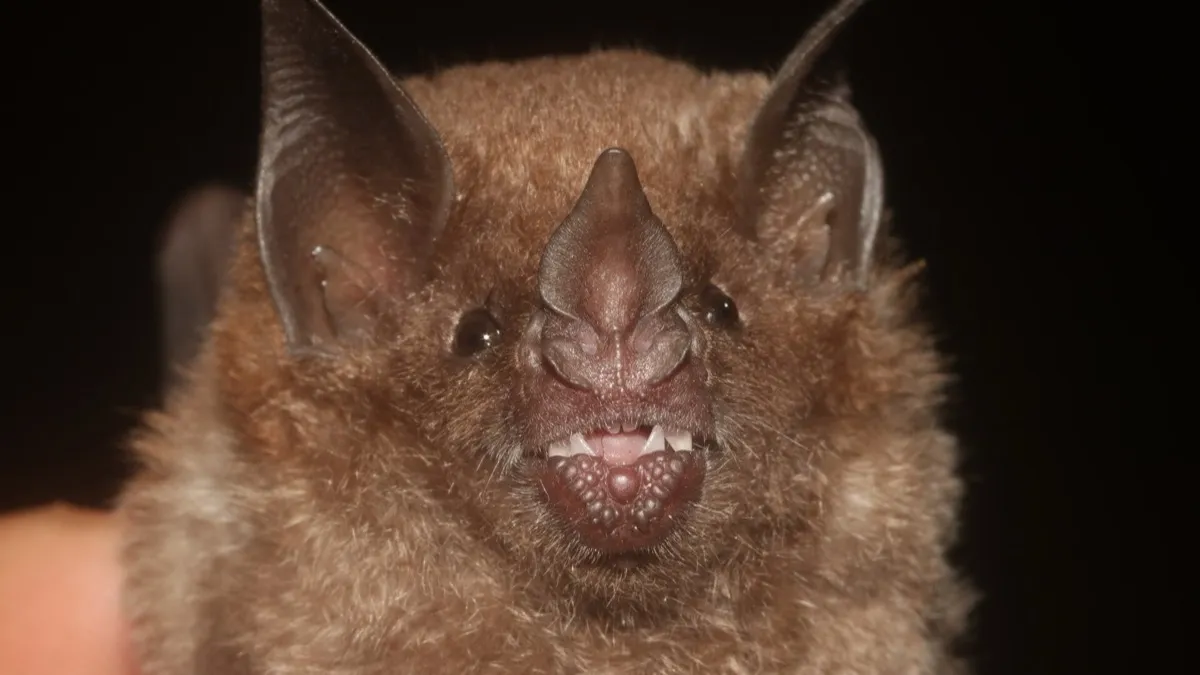
- A team of four researchers published on 3 November 2026 in Nature Communications an analysis of hidden bat diversity in the Neotropics, the region stretching from southern Mexico to South America.
- Combining molecular species delimitation, phylogenetics, ecological niche models and spatial conservation analyses, they identified 95 lineages that may be undescribed species, spread across 45 complexes.
- According to the study, at least a fifth of recognised taxa may hide undetected diversity.
- The authors built a Hidden Species Richness (HSR) index and located ten hotspots where that diversity coincides with strong human threats and high climate vulnerability.
Why it matters
- Many undescribed species may go extinct before they get a name, what the authors call silent extinction.
- Neotropical bat diversity is exceptional but remains understudied, while habitat loss accelerates.
- At the current rate of species description, formally recognising this diversity would take decades, a timeframe these lineages do not have, according to the paper.
The number
62%. That is the share of bat complexes with hidden diversity that face imminent habitat loss. Most would lose more than half of their suitable habitat by 2070.
Context
The study does not describe new species: it points to where they are likely to exist and how much risk they face. Molecular delimitation compares genetic sequences to detect lineages that have diverged enough to be distinct species, even if they look alike. Niche models estimate which areas suit each lineage today and how that would change with climate and land use.
The authors present the ten hotspots as a guide for directing taxonomic research and conservation: places where an expedition or a collection would be most likely to document species before they disappear. They stress that the race requires immediate taxonomic attention.
At Mamífero we follow biodiversity in the Americas and the methods used to document it. We reported that museum DNA places the origin of a group of American owls in the Caribbean and that Cerrado soils hold carbon that markets ignore. At sea, reserves in the Clarion-Clipperton zone barely exchange larvae, and in animal behaviour, macaques that lived through a viral outbreak avoid contaminated food more.
What’s next
- The identified lineages will need formal description with morphology, genetics and reference specimens.
- The ten hotspots offer a priority list for expeditions and funding.
- The 2070 projections depend on how climate and forest conversion evolve in the region.
Bottom line
Before a species can be protected, we have to know it exists. The study counts 95 possible unnamed bat species in the Neotropics and warns that many live where habitat is vanishing faster than taxonomy can work.
Sources
- Esquivel, D., Penagos, A., Feijó, A. et al., “Substantial Neotropical bat diversity likely remains undescribed and vulnerable to extinction”, Nature Communications, 3 November 2026, DOI 10.1038/s41467-026-78393-0. This note is based on the paper’s abstract.
- Cover image: Juan Cruzado Cortés, CC BY-SA 4.0, via Wikimedia Commons
Edited by Rodrigo Cornejo. How we select and verify: who writes these notes.